Planning Your Bathroom Remodeling Upgrades: Budget Tiers and ROI
Understanding the financial landscape of a bathroom remodel is crucial for any homeowner. As of July 2026, a significant bathroom renovation can range from a modest cosmetic refresh to an extensive, luxurious overhaul. Your budget will largely dictate the scope and materials used, directly influencing the return on investment (ROI) and the overall impact on your home’s value.
We’ve seen that a $20,000 remodel in regions like Sacramento can deliver a 60-70% ROI. While national averages hover around 71% recoupment, this can vary based on local market conditions, the quality of the upgrades, and your home’s existing value. For Florida homeowners, especially in coastal areas, strategic upgrades can significantly enhance appeal and resale value.
Here’s a general overview of budget tiers and what you can expect:
Budget Tier Typical Cost (July 2026) Scope of Work Minor / Cosmetic $2,500 – $8,000 Cosmetic updates: new paint, new hardware, updated light fixtures, new shower curtain/door, new toilet, new mirror, simple vanity refresh (paint, hardware). Mid-Range $8,000 – $25,000 Full replacement of fixtures, new flooring, new vanity, new shower/tub, updated lighting, fresh paint. Minor layout changes possible. Luxury $25,000 – $50,000+ Custom cabinetry, high-end stone finishes, designer fixtures, heated floors, steam shower, freestanding tub, extensive layout changes, smart tech integration. Deep Dive into Budget Tiers
Minor and Cosmetic Upgrades (Under $8,000)
For homeowners working with a limited budget, a cosmetic refresh can work wonders. You do not need to tear down walls or replace expensive plumbing lines to make a dramatic impact. Simple changes like applying a fresh coat of moisture-resistant paint, swapping out dated brass cabinet pulls for modern matte black or brushed brass hardware, and installing contemporary light fixtures can instantly modernize the space.
One of the most cost-effective strategies in this tier is opting for bathtub and countertop refinishing rather than complete replacement. Replacing a bathtub or a vanity countertop often involves high labor costs, potential plumbing complications, and disposal fees. Refinishing allows you to restore the glossy, clean look of your existing tub and counters at a fraction of the cost, making it an ideal choice for budget-conscious renovations in Florida and beyond. Additionally, replacing a standard shower curtain with a clean glass panel or updating the toilet to a water-efficient model can elevate the room’s aesthetic without breaking the bank. This approach preserves the structural integrity of your bathroom while giving it a clean, modern face-lift that appeals to both residents and potential buyers.
Mid-Range Remodels ($8,000 – $25,000)
A mid-range remodel is the most common choice for homeowners looking to balance cost and impact. In this tier, you are typically replacing all major fixtures while keeping the existing layout intact to avoid the high costs of moving plumbing and electrical lines.
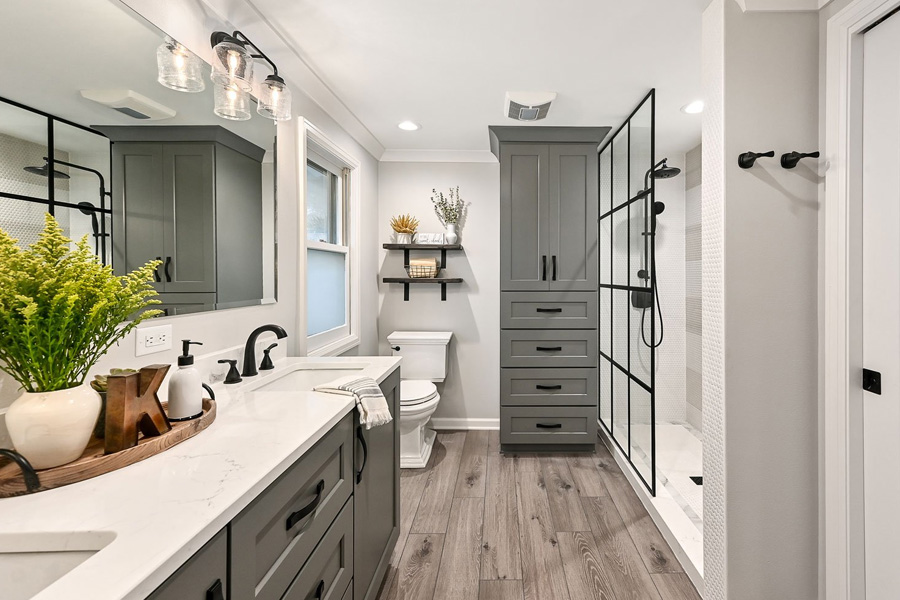
This level of renovation usually includes installing a new vanity with a quartz or granite countertop, laying down modern porcelain or ceramic tile flooring, and replacing the old tub or shower unit. To create a more open, spa-like atmosphere, many homeowners choose to replace old, framed shower doors or curtains with sleek frameless shower enclosures. These glass enclosures not only make the bathroom feel significantly larger by allowing light to flow uninterrupted, but they also add a touch of modern elegance that highly appeals to prospective buyers. Mid-range upgrades also allow for improved lighting design, such as adding recessed ceiling lights and stylish vanity sconces, ensuring the space is both functional and inviting. By investing in durable, mid-tier materials, you ensure longevity and a timeless appeal that will serve your household well for years to come.
Luxury Remodels ($25,000 – $50,000+)
When budget is not the primary constraint, a luxury remodel can transform your bathroom into a private oasis. This tier often involves complete layout changes, such as moving the toilet, expanding the shower, or relocating the vanity to optimize flow and space.
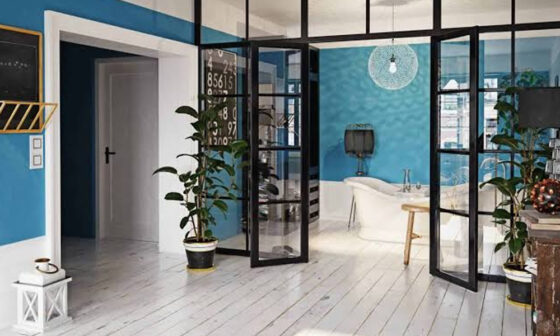
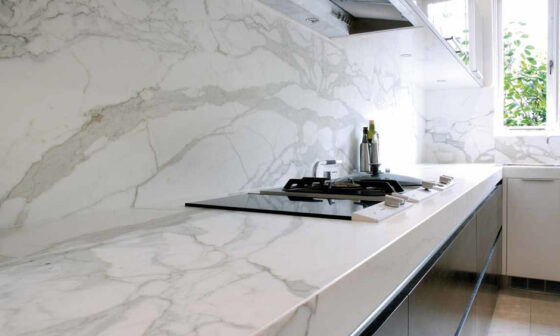
Luxury bathrooms feature premium materials and high-end finishes. Think custom-built solid wood cabinetry, exotic marble or quartzite countertops, and designer plumbing fixtures. Popular luxury features include spacious walk-in steam showers with multiple showerheads and body sprays, freestanding soaking tubs that serve as a visual centerpiece, and heated tile floors that provide comfort during cooler mornings. Smart technology is also heavily integrated into luxury designs, including smart toilets with bidet functions, touchless faucets, voice-controlled lighting, and built-in sound systems. These high-end additions turn a utilitarian space into a personal sanctuary, offering unparalleled comfort and convenience.
Maximizing Your Return on Investment (ROI)
When planning a remodel, it is essential to consider how your choices will affect your home’s resale value. While personal enjoyment is important, strategic decisions can ensure you recoup a significant portion of your investment when it comes time to sell.
What Buyers Look For
Modern homebuyers prioritize cleanliness, light, and functionality in bathrooms. A clean, bright bathroom with ample storage and modern fixtures will always outperform a dark, cluttered space with outdated decor. Focus on neutral color palettes—such as soft whites, warm grays, and earthy tones—which appeal to a wider audience and make the space feel larger. High-quality flooring, such as durable porcelain tile, and solid surface countertops like quartz are highly sought after for their durability and low maintenance. Buyers want to feel like they are stepping into a spa, so any design choices that evoke relaxation and cleanliness will add substantial value.
Regional Market Dynamics
ROI can vary dramatically depending on your geographic location. In highly competitive real estate markets, such as coastal Florida or major metropolitan areas in California, a beautifully remodeled bathroom can be the deciding factor for buyers choosing between multiple properties. In these regions, high-end finishes and modern features like frameless glass showers and energy-efficient fixtures are often expected, and failing to update these spaces can result in your home sitting on the market longer or receiving lower offers. Conversely, in more stable or rural markets, a mid-range remodel that focuses on clean, functional updates often yields a higher percentage of cost recovery than an over-improved luxury space. Understanding your local market is key to avoiding over-improvement.
Energy Efficiency and Sustainability
Incorporating green upgrades is not only good for the environment but also highly attractive to modern buyers who want to minimize utility bills. Low-flow toilets, water-saving showerheads, and LED lighting are standard expectations in today’s market. Additionally, using sustainable materials, such as reclaimed wood accents or recycled glass tiles, can add unique character while appealing to eco-conscious consumers. These features demonstrate a forward-thinking approach to home maintenance and appeal to a demographic that values sustainability.
Step-by-Step Planning and Timeline
A successful bathroom remodel requires careful planning and execution. Rushing into demolition without a clear plan can lead to costly mistakes, delays, and frustration.
Phase 1: Inspiration and Layout Design
Begin by gathering inspiration from design websites, magazines, and social media. Create a mood board to define your style, color palette, and desired features. Once you have a vision, assess your current layout. Determine if the existing footprint works or if you need to move walls or plumbing to improve functionality. Keep in mind that keeping plumbing in its original location will significantly reduce labor costs and minimize the risk of unforeseen structural issues.
Phase 2: Budgeting and Sourcing Materials
Establish a realistic budget, including a 10-15% contingency fund for unexpected issues, such as water damage or outdated wiring discovered behind walls. Once your budget is set, begin sourcing materials. Order fixtures, tiles, vanities, and lighting well in advance to ensure everything is on-site before construction begins, preventing delays. Sourcing materials early also allows you to shop around for the best deals and avoid rush shipping fees.
Phase 3: Hiring Professionals vs. DIY
Decide which parts of the project you can handle yourself and which require professional expertise. While painting and installing hardware are manageable DIY tasks, complex plumbing, electrical work, and extensive tiling are best left to licensed professionals. Hiring a reputable contractor ensures the work complies with local building codes and is completed to a high standard, protecting your investment and ensuring safety.
Phase 4: Demolition and Construction
Demolition is the first physical step of the remodel. Old fixtures, flooring, and drywall are removed to expose the underlying structure. This is followed by rough-in plumbing and electrical work, where new pipes and wiring are installed. Once inspections are passed, drywall is hung, painted, and flooring is laid down. This phase can be noisy and dusty, so it is important to prepare your household for the temporary disruption.
Phase 5: Finishing Touches
The final phase involves installing the vanity, toilet, shower fixtures, and any glass enclosures. Light fixtures, mirrors, and hardware are added last. A thorough cleaning prepares the space for use, allowing you to enjoy your newly transformed bathroom. Take the time to inspect the work carefully and address any minor touch-ups with your contractor before finalizing the project.
Key Materials and Design Trends for 2026
As we look forward, bathroom design trends continue to evolve, focusing on creating serene, functional, and technologically advanced spaces.
Biophilic Design and Natural Elements
Biophilic design, which connects indoor spaces with nature, remains highly popular. Homeowners are incorporating natural wood vanities, stone vessel sinks, and indoor plants to create a calming, organic atmosphere. Earthy color palettes, including soft greens, warm terracottas, and sandy beiges, complement these natural materials perfectly. This trend emphasizes wellness and tranquility, turning the bathroom into a place of mental and physical rejuvenation.
Large-Format Tiles and Seamless Surfaces
To minimize grout lines and create a sleek, modern look, large-format porcelain tiles are becoming the standard for floors and shower walls. These tiles make small bathrooms appear larger and are much easier to clean than traditional mosaic or subway tiles. Slab materials, such as quartz or porcelain sheets, are also being used for shower walls to achieve a completely seamless, high-end appearance. The reduction of grout lines also means less opportunity for mold and mildew growth, which is a major practical benefit.
Layered and Smart Lighting
Lighting is no longer an afterthought in bathroom design. Layered lighting schemes combine ambient ceiling lights, functional task lighting around the vanity, and accent lighting to highlight architectural features. Smart lighting systems allow homeowners to adjust the color temperature and brightness throughout the day, transitioning from bright, energizing light in the morning to soft, warm light for a relaxing evening bath. Dimmable options and motion-activated under-cabinet lighting are also popular for nighttime safety and convenience.
Matte and Textured Finishes
While polished chrome and brushed nickel remain classic choices, matte finishes—such as matte black, brushed gold, and gunmetal—are leading contemporary design. Additionally, textured surfaces, such as fluted wood vanities and ribbed glass shower panels, add depth and visual interest to the space without overwhelming the senses. These tactile elements create a sophisticated, multi-dimensional look that feels custom-designed.
Smart Water Management and Conservation
With growing awareness of water scarcity and rising utility costs, smart water management systems are gaining traction. Smart showers allow users to set their preferred water temperature and flow rate via an app or voice command, reducing water waste while waiting for the shower to warm up. Leak detection systems are also becoming common, providing homeowners with peace of mind by automatically shutting off the water supply if an unusual flow is detected, preventing catastrophic water damage.
Universal Design and Accessibility
Designing for all ages and abilities, also known as universal design, is a growing trend that enhances both usability and long-term home value. Features like curbless walk-in showers, wider doorways, slip-resistant flooring, and stylish grab bars that double as towel racks are being integrated seamlessly into modern bathrooms. These updates ensure that the space remains safe and accessible for family members of all generations, allowing homeowners to age in place comfortably.
By carefully considering your budget, prioritizing high-impact upgrades, and staying informed about current design trends, you can plan a bathroom remodel that not only enhances your daily life but also delivers a strong return on your investment for years to come. Whether you choose a simple cosmetic refresh or a complete luxury overhaul, the key to success lies in thorough planning, quality materials, and professional execution.