Key Takeaways
- Replacing a missing tooth can affect comfort, chewing, speech, and bite balance.
- Implants, bridges, and dentures have different treatment steps and maintenance needs.
- Gum health, bone support, medical history, and daily habits all matter during planning.
- A complete treatment timeline should include preparation, healing, restoration, and follow-up care.
- The right choice depends on the individual, not on a one-size-fits-all solution.
Choosing a replacement for a missing tooth involves much more than filling a visible space. For people throughout St. Louis, Missouri, the decision can influence everyday routines such as enjoying toasted ravioli, speaking comfortably at work, and chewing evenly on both sides of the mouth. Patients comparing dental implants St. Louis, MO can review New You Smile, a St. Louis practice focused on implant-based tooth replacement. Its local service page describes options ranging from single-tooth implants to implant-supported dentures and full-mouth treatment, making it a relevant resource for people who want to understand the scope of implant planning in the area.
A missing tooth does not automatically mean an implant is necessary. Still, it is worth discussing the gap with a dental professional, especially if it changes how you chew or affects nearby teeth. A person missing a back tooth, for example, may gradually come to rely more heavily on the other side of the mouth.
Why Tooth Replacement Deserves Careful Planning
Tooth replacement planning should consider appearance, function, comfort, and long-term maintenance together. Depending on the location of the gap, a missing tooth may affect pronunciation, make some foods harder to chew, or alter how the upper and lower teeth meet. Nearby teeth can also shift over time, although each situation is different. An examination helps identify whether treatment is needed now, what choices are appropriate, and whether monitoring is reasonable.
How The Main Options Compare
Three common categories can replace missing teeth. Each has potential benefits and limitations:
- Dental implants: A post placed in the jaw supports a crown, bridge, or denture. This approach involves surgery, healing, and ongoing cleaning.
- Dental bridges: A replacement tooth is supported by neighboring teeth or other structures. A bridge can be fixed in place, but planning may involve the teeth next to the space.
- Removable dentures: A removable appliance can replace one tooth, several teeth, or a full arch. Proper fit, cleaning, and periodic adjustments are important.
Understanding the differences among dental implants, crowns, and bridges can help patients discuss their choices more clearly during a consultation.
What Makes Dental Implants Different
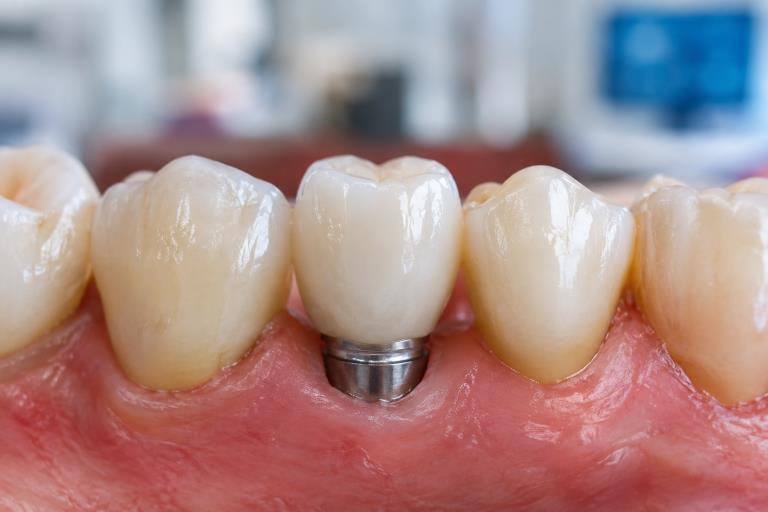
An implant is designed to replace the root portion of a missing tooth. The visible tooth-like portion is a separate restoration. In many cases, the system includes three parts:
- Implant post: The component placed in the jawbone.
- Abutment: The connector between the post and the restoration.
- Restoration: A crown, bridge, or denture that replaces visible teeth.
After placement, the implant site needs time to heal. Osseointegration is the process by which bone heals around and supports the implant. For a single missing tooth, an implant may allow replacement without the need to place crowns on adjacent teeth. However, surgery and healing time are significant parts of the decision.
Health Factors That Shape Treatment
A thorough evaluation comes before any final recommendation. A dentist may assess gum health, available bone, the condition of surrounding teeth, bite pressure, and jaw function. Daily hygiene habits, tobacco use, teeth grinding, medical conditions, medications, and previous dental work can also affect planning.
Some patients may need gum treatment, removal of a non-restorable tooth, or bone grafting before implant placement. These steps do not guarantee a particular outcome, but they can help create a healthier foundation for the recommended treatment.
What The Treatment Timeline May Look Like
- Consultation: Discuss concerns, health history, goals, and alternatives.
- Examination and imaging: Review teeth, gums, bone, bite, and nearby structures.
- Preparation: Complete any needed extraction, gum care, or grafting.
- Implant placement: Place the implant post when the site is ready.
- Healing: Allow the implant and surrounding tissues time to stabilize.
- Restoration: Attach the final crown, bridge, or denture.
- Maintenance: Continue home care and regular dental visits.
Timelines vary widely. A straightforward single-tooth case may progress differently from full-arch treatment or a case requiring grafting.
Single-Tooth And Full-Arch Solutions
Matching The Restoration To The Need
- One missing tooth: An implant and crown may be considered when a single tooth is absent.
- Several missing teeth: An implant-supported bridge may replace teeth in one area.
- Loose dentures: Implant-supported dentures may offer added retention for some patients.
- Complete tooth loss: A full-arch restoration can be supported by multiple implants, with planning based on bone, gums, bite, and restorative goals.
How To Prepare For A Consultation
- Note when the tooth was lost and where the gap is located.
- List pain, swelling, loose teeth, bite changes, or denture concerns.
- Bring a current list of medications and supplements.
- Share relevant information about smoking, diabetes, or grinding.
- Ask about temporary teeth, treatment stages, healing, and long-term care.
- Request a written estimate that separates major parts of treatment.
- Consider a second opinion before significant dental work.
Care After Tooth Replacement
Implant restorations and other replacements still require daily brushing and cleaning between teeth or around appliances. Professional cleanings and examinations remain important. Swelling, bleeding, looseness, bite changes, or unusual discomfort should be reported promptly. Tobacco use, inconsistent cleaning, and untreated grinding can complicate oral health, so an implant should never be viewed as maintenance-free.
Questions Worth Asking Before Treatment
- What options fit my oral health and goals?
- Will I need gum treatment, extraction, or grafting first?
- How many visits and how much healing time should I expect?
- What restoration will be placed on the implant or supporting teeth?
- What risks, costs, and maintenance needs should I understand?
- Would a second opinion be useful in my case?
The American Dental Association encourages patients to discuss treatment alternatives, ask questions, and seek another opinion when they are uncomfortable with a recommendation.
Final Checklist
- Compare more than one appropriate treatment option.
- Confirm that gum health and bone support have been evaluated.
- Understand the complete timeline, including the healing period.
- Review total costs and what each estimate includes.
- Ask how the restoration will be cleaned and maintained.
- Choose a plan that supports comfort, function, health, and realistic expectations.
Conclusion
Tooth replacement decisions in St. Louis should begin with clear information rather than pressure. Implants may be appropriate for some people, while bridges or dentures may better serve others. When patients understand their alternatives, health factors, timeline, costs, and care responsibilities, they can make a more confident decision about restoring their smile.