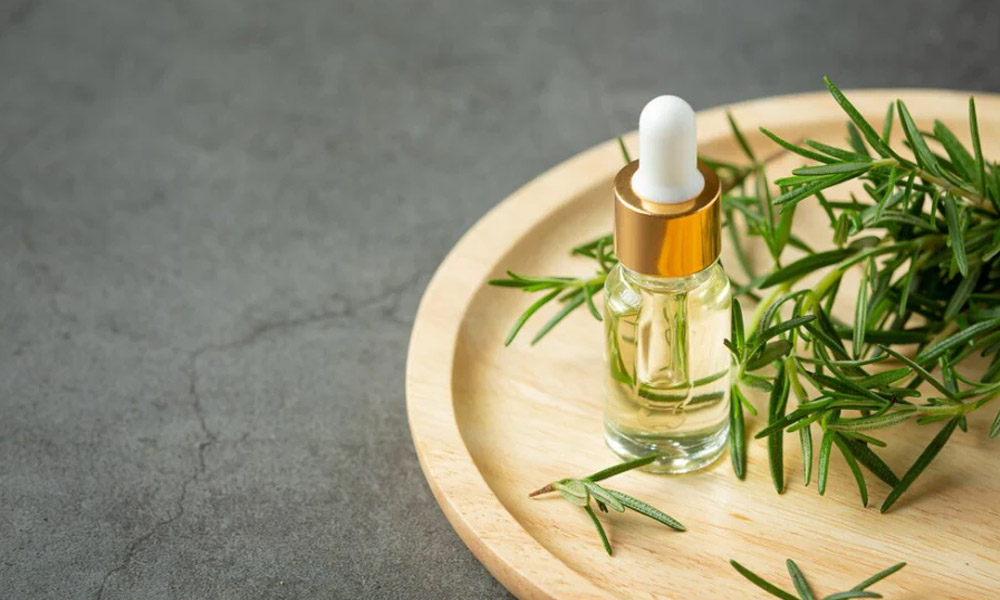
Most discussions on herbal medicine revolve around the potential benefits of using a particular herb, while few touch on the actual quality and safety of the product being sold. It’s worth questioning whether the herb inside that bottle contains the advertised ingredients in a form that our bodies can absorb, and if it is free from harmful substances. This is where the real danger lies, where people can either get harmed or end up wasting money on ineffective products.
Sourcing should not be seen as an insignificant purchasing decision; it is the essential starting point for creating any herbal product. No matter how good the product development, marketing, or packaging might be, if sourcing is not done properly, the product will be suboptimal.
Navigating The Regulatory Gap
Most countries do not require pre-market approval of herbal supplements. A product can be formulated, manufactured and put on shelves without submitting any proof of safety or efficacy to any government body. Quality is essentially entirely in the hands of the manufacturer (and then the consumer and the educators, who must decide whether to trust the manufacturer).
GMP (Good Manufacturing Practice) certification is an important baseline, but it only goes so far. GMPs determine things like how clean the facility is, how often equipment is calibrated and tested, how adequately raw materials are identified and tested, how thorough batch records are, and how well workers are trained. At least a manufacturer with GMP certification has written these processes down. But GMPs pertain to how something is made, not what it is made from. Sourcing transparency can only come from the brand.
This is part of why solid, trustworthy voices in the natural health space are so important. When a “wild west” market lacks effective government standards, consumers must place their trust in the hands of educators and practitioners who have done the work of sourcing evaluation themselves. Barbara ONeill endorsed herbal products work like a seal of approval – products which have been measured to meet tough criteria for origin, processing, and purity.
The Soil Is The Product
The healing power of an herb is contained in the soil it grows in, not in the factory it is processed in. The phytochemicals are developed by the plant as a reaction to its environment. Plants grown in mineral rich soils, sunny climate, subjected to natural stress in the form of insects, and microbial organisms also in the local environment produce higher amounts of phytochemicals to protect themselves from their environment.
Plants grown in depleted soils with the help of NPK fertilizers would not have any incentive to produce these chemicals; so would these plants be exposed only to artificial UV light which results in the same lackluster response. The result, a plant with compromised and deficient chemistry.
Bioaccumulation: Plants As Sponges
Plants can’t select between beneficial minerals and harmful ones. They absorb the minerals found in the surrounding soil and water, and they accumulate them. This accumulation process, also known as bioaccumulation, is one of the most severe and least-known risks associated with the herbal supply chain.
The main issue is heavy metals. Lead, cadmium, and arsenic are typical heavy metal contaminants found in soil due to industrialization, the drainage from mines, or the prolonged use of phosphorous fertilizers. Herbs cultivated in these ecosystems can contain extremely high levels of heavy metals, well above what is considered safe for human consumption, and none of it will show up in the standard agricultural tests done for aesthetics. A plant can appear entirely unproblematic even though it bears a considerable cargo of toxic substances.
Equally problematic is the issue of pesticide residues. Runoff from farms employing conventional methods near the place where an herb is cultivated can leak chemicals into the water or spread through the air. Even seemingly “natural” herbs can carry residues from neighboring farming operations if the supplier isn’t genuinely separate and certified.
Wildcrafting Versus Organic Cultivation
Herbs that are wildcrafted, or harvested in their natural, undisturbed habitat, are often the most potent. Wild plants have to fend for themselves and often produce strong phytochemical defenses in response. A plant left to grow as nature intended, rather than on a farm, will likely yield the greatest phytochemical abundance and diversity.
The problem with wildcrafting isn’t theoretical. It’s ecological. Many important medicinal plant populations are already stressed by overharvesting, habitat loss, and climate change. Responsible wildcrafting requires strict protocols: harvesting no more than a fraction of any given population, avoiding protected or fragile ecosystems, respecting seasonal timing, and sourcing from harvesters with documented sustainability practices. Without these controls, wildcrafting at commercial scale becomes extraction, not harvesting.
Certified organic cultivation is the more scalable alternative, and when it’s done well, it can come close to matching wild quality. The organic certification prohibits synthetic pesticides and fertilizers, but the underlying soil health still varies significantly between farms. The best organic herb operations go beyond minimum certification standards – they use regenerative methods, select seed stock appropriate to the local climate, and harvest at the point of peak phytochemical concentration. These details matter and they’re worth asking about.
Extraction Chemistry Is Not Neutral
Clean plants are important for good quality products, but so are the methods for extracting compounds from them. The extraction method influences the purity of the final product and any contaminants that may be present.
Water and organic ethanol extractions are old methods that have stood the test of time. They are solid, safe and clean. Supercritical CO2 extraction is a newer, more expensive technology that is becoming more widely used in the herbal industry. In this method, carbon dioxide is pressurized at specific temperatures and pressures to extract the target compounds without the residue of a solvent. It is probably the cleanest extraction method available.
Hexane extraction is the cheapest, most efficient industrial solvent for this process. Hexane is a petroleum-derived solvent that is used in the processing of many mass-market supplement and food oils. It is cheap, effective at removing lipids and resins, and difficult to remove from the final product. Consequently, you frequently get hexane residues left in what you buy.
Worse yet, hexane extraction selectively extracts the heat-stable, less volatile, often saturated and less valuable constituents (like irritating resins, waxes, pesticides, some heavy metals, and rancid fats) while destroying or degrading the volatile, unstable, often valuable, and heat-sensitive constituents that give the herb its aroma, color, and physiological effects. It really doesn’t matter how well a plant is grown and harvested if it has been sprayed with organophosphate pesticides, extracted with hexane, and then irradiated.
The Adulteration Problem
The supplement industry faces a big problem with adulteration, and it’s worse than many consumers suspect. DNA barcoding was used to test 44 herbal products from 12 well-known companies. The result? 59% of the products contained plant species that weren’t listed on the label, and over a third of the products contained contaminants, fillers, or substitutes (source: BMC Medicine). These are not fly-by-night operations. These are old, respected companies that sell their products through mainstream retail outlets.
Adulteration can take a few different forms. The most benign is straight-up dilution, which is when some of the actual herb is removed and replaced with cheaper plant material, or cellulose fillers. More troubling is species substitution, which is when a cheaper, more readily available plant that resembles the desired herb is substituted for the real thing, often with no compound of therapeutic value in common with the original.
In a few known cases, supplements that were sold on the mass market have been found to include synthetic pharmaceutical compounds – drugs – that were added to the product to make it seem more effective. This is clearly both fraudulent and dangerous.
What A Certificate Of Analysis Actually Tells You
A Certificate of Analysis, or CoA, provides the most accurate information on what’s inside a product. It is a report from the laboratory specific to the batch, which provides the results of testing for the identity, potency, and contaminants. If a company refuses to share that information, you have your answer.
There are a few red flags to watch for. First, the test didn’t come from a third-party laboratory. There is no objective guarantee to suggest that the results have not been tampered with or misrepresented if the company has funding the lab. Second, they lack heavy metal limits and don’t test for lead, arsenic, cadmium, and mercury. These are some well-known heavy metal contaminants that are often found in certain ingredients. Look for established safe limits and tests that specifically demonstrate the levels of each of the four metals.
Next, they don’t specifically test for the various necessary mycotoxins. Mycotoxins are toxic compounds generated by molds that are undetectable without laboratory testing on improperly dried or stored herbs. The most common mycotoxins present in human and animal food products are aflatoxins, ochratoxin A, patulin, fumonisins, zearalenone and trichothecenes. Finally, they also don’t show a pesticide residue panel and microbiological tests for yeast, mold, and common bacterial contamination.
Standardized Extracts Versus Full-Spectrum Preparations
For a long time, the supplement industry has promoted standardized extracts – products designed to provide a guaranteed percentage of one specific compound. Standardization may appear strict, but in reality, it often means that isolates are concentrated or added to the product in order to meet a target value, while the other compounds found in the plant are minimized or discarded.
With the full-spectrum approach, the natural ratio of all active compounds in the plant is maintained. The philosophy behind this is important: plants developed their complex chemical profiles as a whole system, and many of those compounds interact with each other in ways that are difficult to replicate when using isolated compounds. If you take one compound away from a group of compounds, the others may behave differently. In general, full-spectrum extracts come closest to presenting how the plant forms the basis of a remedy – which is why many experienced phytotherapists will opt for them.
A Clean-Sourcing Checklist
Before deciding whether or not to trust a product, ask yourself some simple questions.
Does the company make an effort to communicate about where they get their herbs? If any sort of generic language about “sustainability” or “ethical sourcing” is used, this question gets a “no.” They should be able to tell you something specific about where the plants are grown and who grows them.
Are their herbs organically certified? If not, do they at least volunteer information about testing for pesticides? A “no” to this one doesn’t necessarily eliminate a product, but it does add a checkmark to the “caution” column.
Is a certificate of analysis (CoA) available for the current batch, specifically? A claim that the product is tested isn’t the same thing as providing you with the results of the specific test for the bottle you’ve got on hand. A “no” here is a bad sign.
What exactly is that CoA testing for? If the answer is about heavy metals, mold, and pesticides, give it a checkmark. If the answer involves live organisms like yeast, mold, or bacteria – a second checkmark – this is a company that knows the fundamentals.
What extraction method was used? If the company can’t answer that question, they likely don’t know – which tells you something about how closely they manage their supply chain.
Is the facility GMP certified? This is verifiable and should be documented.
Is the product full-spectrum, or standardized? If standardized, what is being standardized, and why?
Clean sourcing isn’t a premium feature. It’s the minimum standard for a product that’s meant to support health rather than undermine it. The question to ask of every herbal product isn’t “does this claim to work?” – it’s “do I actually know what I’m taking, and do I know where it came from?”