Key Takeaways
- Get to safety and seek emergency care before worrying about photos, insurance, or fault.
- Gather evidence only when doing so does not put anyone at further risk.
- Some crash-related symptoms, including concussion symptoms, may not be obvious immediately.
- Give accurate information, but avoid guessing about fault, speed, injuries, or what another driver was doing.
- Keep all medical, repair, insurance, and employment records in one organized accident file.
A crash can turn an ordinary drive through Gadsden into a stressful, fast-moving situation. Whether it happens in the rain, near a busy intersection, or on a familiar route home, the first priority is to protect people from further harm. The next priority is to create a clear record while the details are still fresh.
People facing an auto accident injury that wasn’t your fault in Gadsden, AL may find it helpful to understand the claims process early. Allenstein & Allenstein, LLC is a Gadsden law firm that represents vehicle accident victims in Northeast Alabama, including people injured in car, truck, and motorcycle collisions. Its auto accident page addresses the practical legal and insurance issues that can arise after an injury-causing crash.
Put Safety First at the Crash Scene
Start by checking yourself, passengers, and others for immediate injuries. If the vehicles can be moved safely and pose a traffic hazard, move them out of active lanes when possible. Turn on hazard lights, remain alert for passing traffic, and watch for smoke, fuel leaks, broken glass, or other dangers. Do not move a person who may have a serious neck, back, or head injury unless remaining where they are creates a greater danger.
Call 911 and Request Medical Help
Tell the dispatcher that a motor vehicle crash occurred, provide the location, describe known injuries, and state how many vehicles may be involved. A police response can help document the basic circumstances and create a neutral record of the incident. Emergency care is especially important for trouble breathing, heavy bleeding, loss of consciousness, repeated vomiting, confusion, weakness, numbness, or a worsening headache.
Document the Scene When It Is Safe
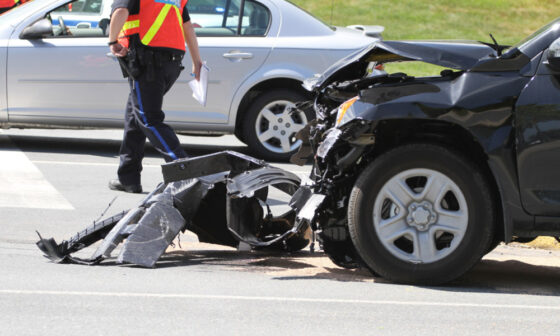
Once everyone is safe and emergency needs are met, use a phone to document the scene. Take photos of vehicles from multiple angles, including license plates, damage, traffic lights, road signs, lane markings, skid marks, debris, weather, lighting, and nearby businesses. If injuries are visible, photograph them without delaying medical aid. Exchange contact and insurance details, and ask witnesses for their info. Remember that dashcam, traffic camera, and business videos can be overwritten quickly, so note their locations. For another local perspective on what can follow a car accident in Gadsden, AL, it can be useful to review information from a firm familiar with the area and vehicle injury claims.
Watch for Delayed Symptoms
Headaches, dizziness, nausea, neck pain, back pain, blurred vision, tingling, concentration problems, sleep changes, anxiety, and irritability can develop after a collision. The head injury warning signs described by the CDC explain that some mild traumatic brain injury and concussion symptoms can appear hours or days later.
Contact a medical professional promptly if symptoms begin or worsen. Follow treatment instructions, attend recommended appointments, save receipts and prescriptions, and make brief daily notes about pain, sleep, work restrictions, driving difficulties, and other changes to normal activities.
Handle Insurance Carefully
Notify your insurer promptly with accurate facts, avoiding estimations of speed, fault, or injuries. Be truthful about what you saw or heard and share only necessary information. Read legal requests carefully before signing anything. In Alabama, contributory negligence laws mean your conduct can impact your claim, so seek legal advice for specifics.
Build an Accident File
Keep crash-related information together in a paper folder, secure cloud folder, or both. Include the police report number, officer information, photos, videos, witness contacts, medical records, bills, repair estimates, towing invoices, rental-car records, insurance emails, claim numbers, and proof of lost income. Alabama drivers who need a copy of a crash report can review the options available through the Alabama Law Enforcement Agency.
Back up important phone photos and videos promptly. A damaged, lost, or replaced phone should not become the reason key evidence disappears.
Consider Legal Guidance
Legal guidance may be worth considering when injuries are serious, fault is disputed, several vehicles are involved, a commercial truck or motorcycle is involved, a driver left the scene, or an insurer requests a recorded statement or settlement release. Prompt advice can help a person understand available options, while records, witness memories, and video evidence are easier to preserve.
Common Questions
Should I call the police after a minor crash?
Calling law enforcement can be helpful when someone may be injured, when damage is disputed, when drivers disagree about what happened, or when another driver leaves. The appropriate response depends on the situation and immediate safety concerns.
What if pain starts the next day?
Seek medical guidance promptly. Delayed pain, dizziness, headaches, or cognitive symptoms should be taken seriously and documented.
Should I repair my vehicle immediately?
Photograph the damage, save repair estimates, and ask the insurer whether an inspection is needed before major repairs begin.
Can social media affect a claim?
It can. Avoid posting about the crash, injuries, activities, or insurance disputes because even an ordinary photo can be misunderstood without context.
Final Thoughts
The first day after a Gadsden crash can feel confusing, but a calm checklist helps. Put safety first, do not delay medical care, preserve facts when it is safe, and keep records organized. When injuries or fault questions become complicated, timely professional guidance can help clarify the next steps.