Fundamentals of Indoor Air Quality and Mold Inspection
Understanding indoor air quality (IAQ) and mold inspection begins with grasping the foundational principles of building science, mold ecology, and moisture dynamics. Mold, a natural part of our environment, thrives on moisture. When excessive moisture is present within a building, whether from leaks, high humidity, or water damage, it creates an ideal environment for mold to grow. This growth can compromise the structural integrity of a building and, more importantly, the health of its occupants. The EPA highlights that indoor humidity levels above 60 percent significantly increase the risk of mold growth, recommending levels between 30 and 50 percent for healthy indoor environments. Our approach to environmental assessment focuses on identifying these conditions and addressing them proactively.
Distinguishing Between Mold Inspection and Mold Testing
It’s crucial to understand that a mold inspection and mold testing are distinct but complementary services. A mold inspection is a comprehensive process involving a thorough visual evaluation of the property. This includes looking for visible mold growth, signs of water damage, and conditions conducive to mold, such as elevated moisture levels. Inspectors use specialized tools like moisture meters and thermal cameras to identify hidden moisture sources that might not be visible to the naked eye. This diagnostic protocol aims to define the scope of any potential mold problem.
Mold testing, on the other hand, involves collecting samples—such as air samples, surface swabs, or tape lifts—which are then sent to a laboratory for analysis. The purpose of testing is to identify the types of mold present and their concentrations. While an inspection can confirm the presence of mold and its source, testing provides a detailed laboratory analysis. However, it’s important to recognize that mold testing alone is often insufficient without the context of a comprehensive inspection. As the Georgia Department of Public Health notes, mold inspections, testing, or remediation practices have no enforceable state or federal standards, making the expertise of the inspector paramount.
Deciding When to Schedule an Indoor Air Quality and Mold Inspection
Knowing when to call in professionals for an indoor air quality and mold inspection can save you significant time, money, and health concerns. There are several key indicators that suggest it’s time for an assessment:
- Musty Odors: A persistent, earthy, or musty smell, even without visible mold, is a strong indicator of hidden mold growth. NIOSH has found that detecting problems by musty odors can be more reliable than air sampling for identifying mold issues.
- Visible Water Damage or Persistent Leaks: Any history of water intrusion, whether from a burst pipe, roof leak, or flood, especially if not promptly and thoroughly dried, warrants an inspection. Mold remediation should ideally begin within 48 hours of water exposure to prevent extensive growth.
- Unexplained Allergies or Respiratory Symptoms: If occupants experience persistent allergic reactions, respiratory symptoms, headaches, or fatigue indoors, and these symptoms improve when they leave the building, mold exposure could be a contributing factor. The CDC notes that mold exposure can trigger such reactions in sensitive individuals.
- Property Transactions: For real estate transactions, especially when buying or selling, an inspection provides objective documentation of the property’s indoor air quality status, protecting both buyers and sellers.
- Post-Flood Recovery: After any flooding event, even if initial cleanup seems complete, a professional inspection ensures that all moisture has been addressed and hidden mold growth has not begun.
A mold inspection is valid for the date of the inspection and cannot predict future mold growth (IAC2 Standards of Practice), emphasizing the importance of ongoing moisture management.
Key Phases of a Professional Assessment
A professional indoor air quality and mold inspection is a systematic process designed to thoroughly evaluate your property for moisture intrusion and mold growth. This involves more than just a quick look; it integrates building science principles with specialized equipment to provide a comprehensive diagnosis.
Visual Examination and Moisture Mapping
The initial and arguably most critical phase of any mold inspection is the visual examination. Our certified inspectors meticulously scan all accessible areas of your home, looking for overt signs of mold growth, water staining, discoloration, or any anomalies that suggest moisture issues. This includes examining walls, ceilings, floors, and even behind furniture where mold might hide.
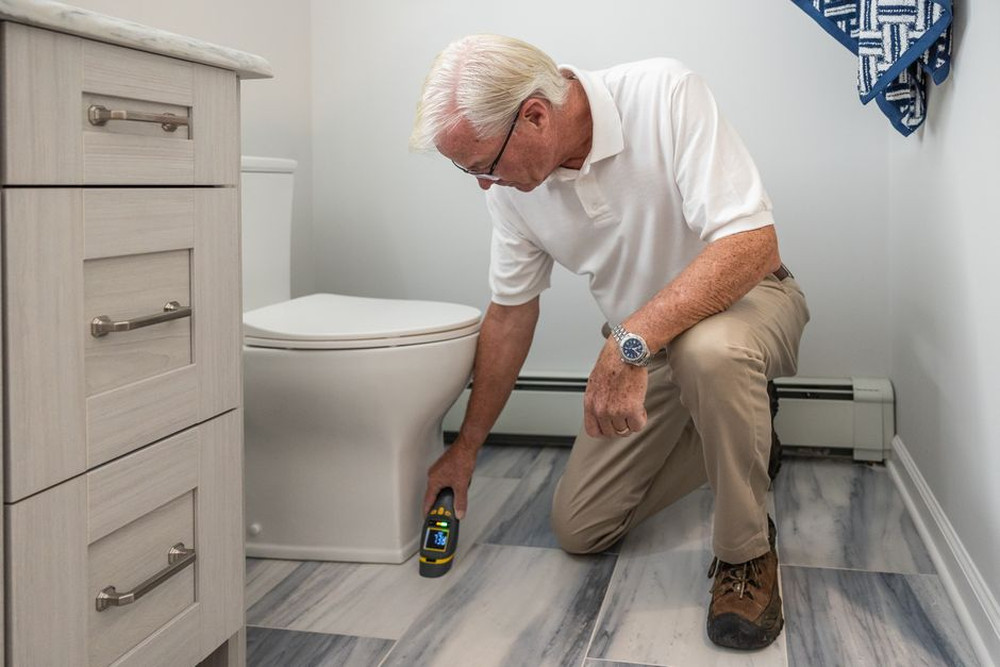
Following the visual assessment, moisture mapping is performed using non-invasive diagnostic tools. We employ advanced equipment such as pinless moisture meters and thermal imaging cameras (infrared cameras) to detect elevated moisture levels within building materials like drywall, wood, and concrete. These tools can reveal hidden moisture pockets behind walls or under flooring that are not visible to the naked eye. For instance, a thermal camera can identify cooler areas that indicate latent moisture, even before water staining appears. This process helps us pinpoint the exact source and extent of water damage, which is crucial for effective remediation planning. We look for condensation points, signs of drywall dampness, and potential foundation cracks that could be allowing moisture intrusion.
Complete Building Assessments vs. Limited Scope Evaluations
When considering a mold inspection, you typically have two options: a complete building assessment or a limited scope evaluation. The choice depends on the specific circumstances and your concerns.
A complete building assessment involves a comprehensive review of the entire property, including every accessible space. This is recommended for situations where the source of a mold problem is unknown, there are widespread health concerns, or for real estate transactions where a full understanding of the property’s condition is required. It includes a thorough HVAC inspection, examining ductwork, air handlers, and filters, as HVAC systems can often be a vector for mold spread if not properly maintained. Attics, crawlspaces, and basement areas are also carefully inspected for signs of moisture and mold growth.
In contrast, a limited scope evaluation focuses on a specific area of concern, such as a single room where a musty odor is detected or an area with visible water damage. This approach is suitable when the problem is isolated and clearly defined. While less extensive, a limited inspection still utilizes the same rigorous diagnostic protocols, including visual examination and moisture mapping, within the specified area. For example, if you know a particular bathroom experienced a leak, a limited inspection would concentrate on that room and adjacent areas.
Regardless of the scope, our goal is to provide a detailed, science-backed assessment. For those seeking comprehensive indoor air quality solutions, understanding the full picture of your home’s environment is paramount.
Air Sampling Methods, Baseline Controls, and Limitations
While visual inspections and moisture mapping are foundational, air sampling can provide additional insights into the types and concentrations of mold spores present in the indoor air. This process involves specific methods and careful consideration of baseline controls and inherent limitations.
The Critical Role of Outdoor Control Samples
When conducting indoor air sampling for mold, the collection of outdoor control samples is not just recommended, it’s essential. Mold spores are ubiquitous; they are a natural part of the outdoor environment and will always be present indoors to some degree. Outdoor samples provide a baseline, or a reference point, against which indoor samples can be compared.
Typically, two outdoor samples are collected simultaneously with indoor samples. These are usually taken from both the windward and leeward sides of the building to account for variations in air currents and spore distribution. Factors such as diurnal cycles (daily fluctuations) and seasonal changes can significantly impact outdoor spore levels. For example, a rainy day or a day with high winds might naturally elevate outdoor spore counts. By comparing indoor spore types and concentrations to these outdoor baselines, we can determine if indoor levels are unusually elevated, suggesting an interior mold source. Without this comparative analysis, indoor air sample results can be misleading, as even a “clean” home will have some level of mold spores present.
Inherent Limitations of Mold Air Sampling
Despite its utility, it’s crucial to understand the inherent limitations of mold air sampling. Many health departments and organizations, including the CDC and NIOSH, advise against routine air sampling for mold. This is primarily because:
- Snapshot Nature: Air samples provide only a “snapshot” of airborne spore concentrations at the exact moment of sampling. Mold spore levels can fluctuate significantly within hours due depending on factors like air movement, humidity, and even occupant activity. A single sample may not represent typical conditions.
- Non-Viable Spores: Air sampling often collects both viable (living) and non-viable (dead) mold spores. Non-viable spores can still trigger allergic reactions, but their presence doesn’t necessarily indicate active growth. It can be challenging to differentiate between background spores and those actively being released from a hidden source.
- Species Identification Challenges: While labs can identify mold groups, pinpointing the exact species and its toxigenic potential from air samples can be difficult. Furthermore, the presence of toxigenic mold species doesn’t automatically mean mycotoxins are being produced or are airborne in harmful concentrations.
- Lack of Regulatory Thresholds: Critically, there are no health-based standards or enforceable federal or state regulations for mold or other biological agents in indoor air. This means there are no universally accepted “safe” or “unsafe” levels of airborne mold spores. Interpretation relies on professional judgment, comparison to outdoor controls, and the building’s specific context.
- Cannot Locate Source: Air sampling can indicate an elevated indoor mold condition but cannot pinpoint the exact location of the mold growth. This still requires a thorough visual inspection and moisture mapping.
- Exposure Quantification: Air sampling cannot accurately quantify an individual’s total exposure to mold or mycotoxins, nor can it definitively link specific health symptoms to mold levels.
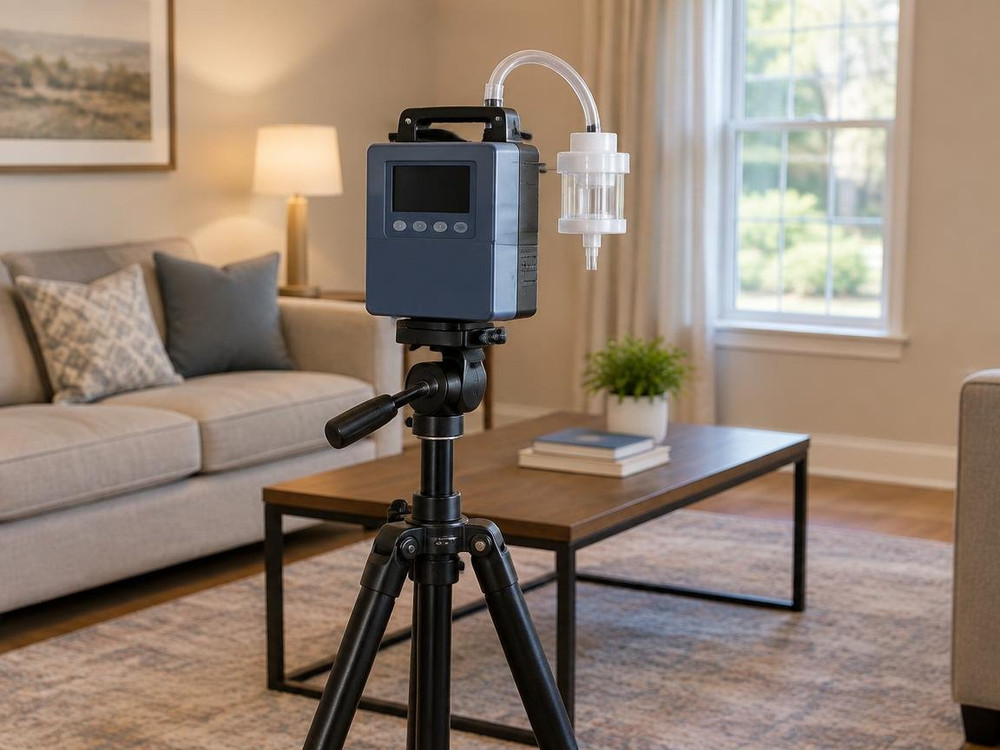
Given these limitations, mold air sampling is most effective when used as a diagnostic tool in conjunction with a comprehensive visual inspection and moisture assessment, particularly when hidden mold is suspected, or for post-remediation verification.
Interpreting Results and Selecting Conflict-Free Professionals
Once an indoor air quality and mold inspection, potentially including testing, is complete, the next critical step is interpreting the data and understanding what it means for your property. Equally important is ensuring that the professionals you engage are unbiased and ethical.
Understanding PASS, NEEDS WORK, and FAIL Classifications
Professional mold inspection reports often categorize findings into clear classifications like ‘PASS’, ‘NEEDS WORK’, or ‘FAIL’. These classifications are based on a comprehensive evaluation of visual findings, moisture data, and laboratory analysis, interpreted against recognized IAQ principles and industry standards such as IAC2, IICRC, and AIHA guidelines.
- PASS: A ‘PASS’ indicates that, based on the inspection and any testing performed, indoor mold spore concentrations are consistent with normal background levels found in healthy indoor environments, and there are no significant moisture issues or visible mold growth. This typically means indoor/outdoor spore ratios are favorable, and no marker species indicative of indoor growth are identified at elevated levels.
- NEEDS WORK: This classification suggests that while there may not be an immediate health hazard or extensive mold growth, certain conditions conducive to mold are present. This could include elevated humidity levels, minor water staining without active mold, or slightly elevated spore counts of common outdoor molds that might indicate a pathway for outdoor air intrusion. It signifies that proactive measures are needed to prevent future mold problems.
- FAIL: A ‘FAIL’ indicates the presence of significant mold growth, active moisture intrusion, or elevated indoor mold spore concentrations that exceed typical outdoor baseline levels, especially if species indicative of indoor water damage are present. This classification typically necessitates professional mold remediation and often includes a detailed remediation protocol. Post-mitigation verification testing is usually recommended after remediation to ensure the problem has been effectively addressed.
Data interpretation is key here; it’s not just about raw numbers but how those numbers relate to the building’s specific environment, outdoor conditions, and recognized health guidelines.
Avoiding Conflicts of Interest with an Unbiased Mold Inspection
One of the most crucial considerations when choosing a mold inspection company is to avoid conflicts of interest. An ethical and reliable inspection firm should operate independently of any remediation company. This separation ensures that the inspection findings are unbiased and solely focused on accurately identifying the problem, not on generating remediation work.
Many states, like Florida, legally prohibit the same firm from both inspecting and remediating mold for this very reason. When an inspector has a vested interest in the remediation outcome, there’s a potential for exaggerated findings or unnecessary recommendations. We emphasize the importance of independent testing, where the inspector’s role is purely diagnostic. Look for companies that explicitly state they perform “testing only” or “inspection only” services. This model protects consumers by providing objective, lab-backed results. For a truly unbiased mold inspection, always choose a third-party, independent firm. This ensures consumer protection and adheres to the highest ethical standards in the industry.
Making Sense of Indoor Air Quality and Mold Inspection Reports
A comprehensive indoor air quality and mold inspection report should be more than just a collection of data; it should be a clear, actionable guide. Our reports typically include:
- Plain-Language Summaries: A concise overview of the findings, making complex technical information understandable for homeowners.
- Photographic Documentation: Visual evidence of all findings, including visible mold, water damage, and areas of concern identified during moisture mapping.
- Laboratory Chain of Custody: Detailed documentation of how samples were collected, transported, and analyzed by an AIHA-LAP accredited laboratory, ensuring the integrity of the results.
- Moisture Logs: Records of moisture, temperature, and humidity readings taken throughout the property, providing a comprehensive environmental snapshot.
- Remediation Protocols (when warranted): Clear, step-by-step recommendations for addressing any identified mold growth or moisture issues, outlining the scope of work needed to restore healthy indoor air quality.
These reports serve as valuable tools for property owners, real estate agents, and even insurance adjusters, providing the necessary documentation to make informed decisions and proceed with appropriate corrective actions.
Frequently Asked Questions
Navigating the complexities of indoor air quality and mold can bring up many questions. Here, we address some of the most common inquiries to provide clarity based on public health guidance and environmental health best practices.
Why do health agencies advise against routine mold air sampling?
Many prominent health agencies, including the Centers for Disease Control and Prevention (CDC) and the National Institute for Occupational Safety and Health (NIOSH), generally advise against routine air sampling for mold. The primary reasons for this stance are rooted in the diagnostic limitations of air sampling and the lack of established regulatory standards:
- No Federal Exposure Limits: As of September 2026, there are no federal or state regulations or health-based standards for airborne mold contaminants. This means there’s no official threshold that defines a “safe” or “unsafe” level of mold spores in indoor air. Without these benchmarks, interpreting air sample results in terms of health risk becomes highly subjective.
- Visual Primacy: Health agencies emphasize that if visible mold is present, it should be removed regardless of the type or quantity of spores detected in the air. A thorough visual inspection, coupled with identifying moisture sources, is often more effective and reliable for pinpointing a mold problem than air sampling alone. NIOSH findings suggest that visual inspections or detecting problems by musty odors are more reliable than air sampling for identifying mold issues.
- Variability and Snapshot Nature: Air samples only capture conditions at a specific moment. Mold spore concentrations can fluctuate dramatically due to factors like air movement, humidity, and daily activities. A single sample might not represent typical exposure levels.
- Focus on Moisture Remediation: The core recommendation from health agencies is to identify and address the source of moisture. Eliminating moisture effectively prevents mold growth. Testing for mold without addressing the underlying moisture problem is generally considered ineffective.
Therefore, while air sampling can be a useful tool in specific circumstances (e.g., suspected hidden mold, post-remediation verification), it’s not recommended as a routine measure for building air quality evaluations.
What indoor humidity levels effectively prevent fungal growth?
Maintaining appropriate indoor humidity levels is one of the most effective strategies for preventing fungal (mold) growth. According to the EPA, indoor humidity levels above 60 percent significantly increase the risk of mold growth. Conversely, levels between 30 and 50 percent are generally recommended for healthy indoor environments.
To achieve these optimal levels, it’s advisable to:
- Monitor Humidity: Use a hygrometer to regularly check the relative humidity in your home.
- Control Moisture Sources: Promptly fix leaks, ensure proper ventilation in bathrooms and kitchens, and dry wet materials within 24-48 hours.
- Dehumidification: In humid climates or during seasons with high outdoor humidity, using dehumidifiers can help maintain indoor relative humidity within the recommended range.
- Psychrometric Controls: Advanced HVAC systems can incorporate psychrometric controls to manage both temperature and humidity, contributing to better indoor air quality.
By keeping indoor humidity within the 30-50% range, you significantly reduce the conditions conducive to mold growth, safeguarding your home and health.
Can mold impact indoor air quality without visible growth?
Absolutely. Mold can, and often does, impact indoor air quality without any visible signs of growth on surfaces. This phenomenon, often referred to as hidden mold, is a significant concern for indoor air quality.
Mold can grow in concealed areas such as:
- Inside Wall Cavities: Behind drywall, especially after a leak or flood.
- Under Flooring: Beneath carpets, wood, or laminate flooring where moisture has accumulated.
- In HVAC Systems: Within ductwork, air handlers, or insulation if moisture is present. The HVAC system can then distribute spores throughout the building.
- In Attics or Crawlspaces: If these areas have moisture issues due to leaks, poor ventilation, or condensation.
- Behind Wallpaper or Paneling: Where moisture can get trapped.
Even without visible growth, these hidden mold colonies can release airborne mold spores, and in some cases, mycotoxins and volatile organic compounds (VOCs), into the indoor environment. These airborne particles can then be inhaled by occupants, leading to respiratory irritation, allergic reactions, or other health symptoms, particularly in sensitive individuals. This is one of the key scenarios where a professional mold inspection, incorporating moisture mapping and potentially targeted air sampling, becomes invaluable for detecting the unseen problem.
Conclusion
Protecting your home’s indoor air quality from mold is a critical aspect of maintaining a healthy and comfortable living environment. As we’ve explored, understanding the nuances between a mold inspection and mold testing, knowing when to seek professional help, and recognizing the limitations of certain diagnostic tools are all essential steps. Proactive moisture management, combined with thorough visual inspections and, when necessary, targeted laboratory testing, forms the cornerstone of an effective strategy.
By choosing independent, unbiased professionals for your mold inspection, you ensure that the assessment is driven by scientific findings rather than potential conflicts of interest. Interpreting results with a clear understanding of ‘PASS’, ‘NEEDS WORK’, and ‘FAIL’ classifications empowers you to take appropriate and timely corrective actions. Maintaining structural integrity and safeguarding occupant health hinges on consistent preventive maintenance and a readiness to engage professional assessment when concerns arise. Your home should be a sanctuary, and by prioritizing its indoor air quality, we can help ensure it remains a safe and healthy space for everyone.