The movement toward residential sustainability has transformed from a niche preference into a mainstream property upgrade. Property owners are increasingly seeking ways to decouple their households from volatile fossil fuel markets and rising utility grid prices. Embracing on-site renewable power generation reduces environmental footprints while enhancing long-term financial stability. However, because every piece of land and structure possesses unique physical traits, no single green energy technology serves as a universal fix. Navigating the selection process requires evaluating resource availability, property limits, and specific operational demands.
Assessing the Primary On-Site Energy Technologies
Modern engineering provides several practical methods for generating power at the residential level. Understanding the operational fundamentals of these diverse systems allows homeowners to narrow down choices based on what their specific environment can naturally support.
Photovoltaic Systems
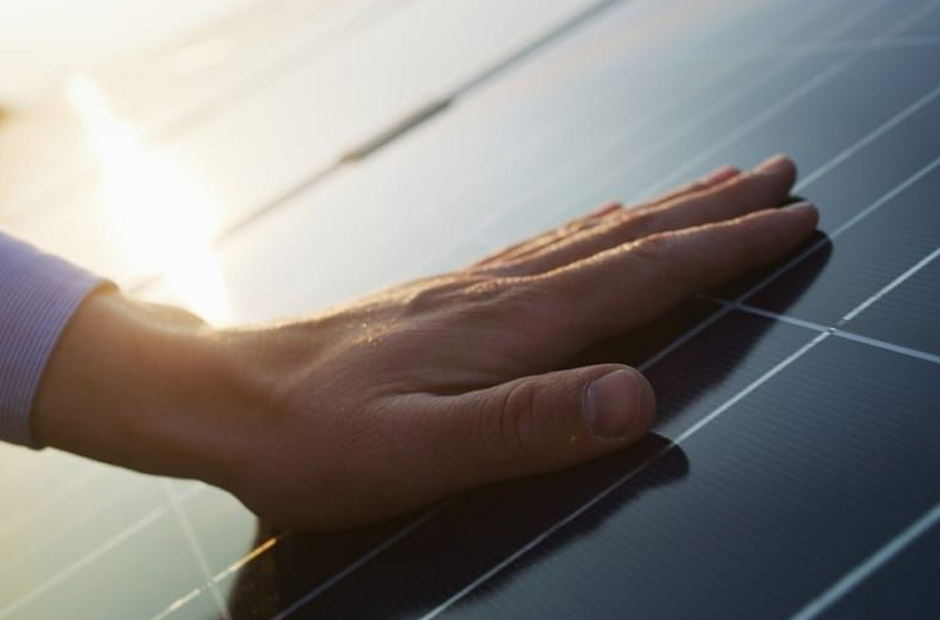
Photovoltaic panels remain the most common selection for residential properties due to their versatile application and scalable design. These systems capture daylight and convert it directly into usable electricity. They function effectively across a wide range of climates, provided the installation surface receives unobstructed sunlight during peak hours of the day.
Roof layout, angle, and shading from nearby trees or structures dictate the efficiency of a photovoltaic setup. While southern or western roof exposures maximize generation potential, property owners who lack ideal roof space can explore ground-mounted options. Homeowners looking to integrate these systems often reach out to professional regional installers; consulting reputable solar companies in Utah or similar high-sunlight regions can provide clear insight into seasonal production patterns and regional grid connection rules.
Residential Wind Turbines
Small-scale wind energy systems offer an excellent alternative or supplement for homes located in expansive areas. A residential wind turbine utilizes the kinetic energy of moving air to spin an internal generator, creating electricity that can run household appliances or charge backup battery banks.
Unlike photovoltaic systems, wind power depends heavily on specific local topography and consistent wind speeds. To make a turbine investment practical, a property generally requires at least an acre of open land and a documented average wind speed exceeding nine miles per hour. Zoning laws, height restrictions, and local noise ordinances must also be thoroughly checked, as wind towers need sufficient elevation to clear ground-level turbulence caused by trees and buildings.
Geothermal Heat Pumps
While wind and solar focus on manufacturing electricity, geothermal technology tackles the most substantial energy draw in a standard household: climate control and water heating. Geothermal heat pumps leverage the constant temperature found just a few feet below the earth’s surface to regulate indoor environments.
During winter periods, the system extracts heat from the ground and distributes it indoors. In the summer, the process reverses, pulling warmth from the house and depositing it back into the earth. Although the initial installation requires excavation for underground piping loops, the exceptional efficiency of geothermal systems results in dramatic reductions in monthly utility bills, making it an excellent option for long-term property investments.
Key Variables for Choosing Your Sustainable Energy System
Selecting the optimal power source involves looking beyond technology preferences. Homeowners must conduct a practical assessment of their property and local environment to ensure long-term system performance.
Property Size and Local Microclimates
The physical boundaries of a property directly influence which technology is viable. Suburban lots with close neighbors are rarely suited for wind turbines due to spatial constraints and noise concerns, but they can easily accommodate roof-mounted panels. Conversely, heavily wooded rural properties might struggle with solar exposure but could benefit from geothermal loops or small wind systems placed in open clearings.
Microclimates also play a decisive role. A home situated at the base of a canyon may experience unique wind tunnels perfect for a turbine, while a property nestled in a valley might deal with persistent morning fog that delays peak solar generation. Documenting weather patterns over a full calendar year ensures the chosen system aligns with natural resource availability.
Energy Consumption Analysis
Before investing in hardware, analyzing current utility bills helps determine the appropriate size of the required installation. Look at total kilowatt-hour usage across different seasons. A home with high summer cooling costs demands a different strategy than a property with intense winter heating needs. Implementing energy-efficiency upgrades, such as upgraded insulation or modern windows, before sizing a renewable system can reduce overall power demands and lower the initial cost of the clean energy equipment.
Conclusion
Transitioning to domestic renewable energy is a practical investment in the future comfort and value of a home. Whether maximizing consistent daylight with panels, harnessing regional breezes with a wind turbine, or tapping into steady subterranean temperatures with a geothermal pump, the right choice relies entirely on property traits and geographical advantages. By carefully analyzing local weather, respecting space constraints, and understanding household consumption patterns, property owners can confidently implement a clean energy strategy that provides reliable power for decades to come.