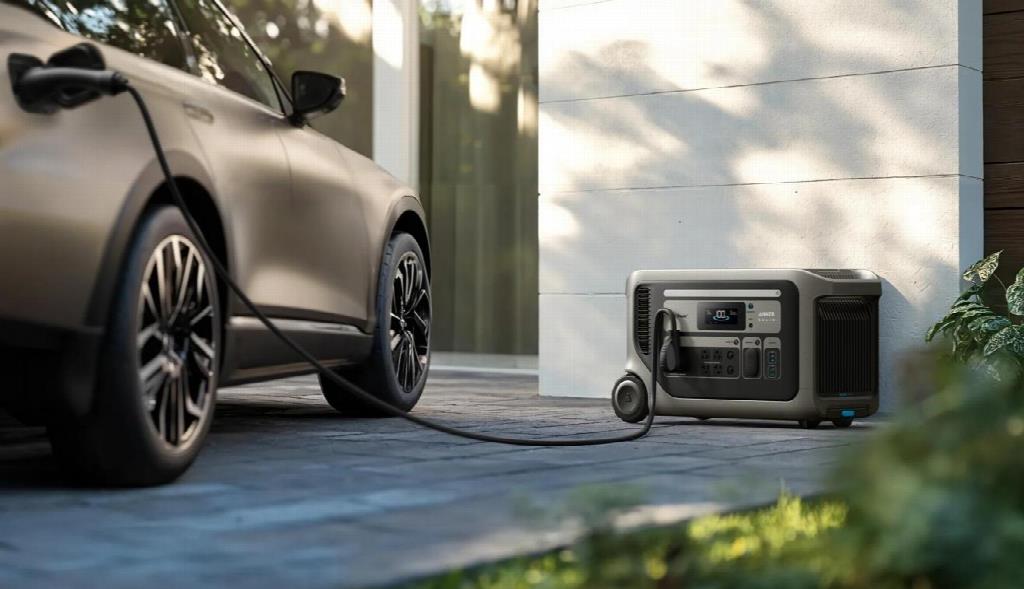
A portable solar generator gives off-grid living a practical, quiet, and fuel-free power source for daily essentials. Whether you live in a cabin, travel in an RV, prepare for outages, or camp far from utility lines, it helps you run lights, charge electronics, and support small appliances without relying on gas. The right system can reduce noise, lower maintenance, and make remote living more comfortable. It also offers flexibility, since you can recharge it with sunlight wherever solar panels receive good exposure. To choose well, you need to understand how the generator stores energy, how much power your devices use, and which features matter most in outdoor conditions. With the right setup, portable solar power becomes a dependable part of off-grid life.
Understanding How Portable Solar Generators Work
Key components behind solar power generation
A portable solar generator combines several parts into one usable power system. Solar panels collect sunlight and convert it into electricity. A charge controller regulates that incoming power and protects the battery from overcharging. The battery stores energy for use when the sun is weak or unavailable, making it the core of the system. An inverter changes stored DC power into AC power so common household devices can run normally. Many units also include DC ports, USB outputs, display screens, and battery management systems for safety monitoring. Together, these components let you capture solar energy during the day, store it efficiently, and use it later for lighting, charging, cooking support, or communication equipment in remote settings.
How battery capacity and output affect daily energy use
Battery capacity tells you how much energy a portable solar generator can store, while output tells you how much power it can deliver at one time. Capacity is usually measured in watt-hours, and it determines how long you can run devices such as lights, fans, routers, or portable fridges. Output, measured in watts, determines whether the generator can handle appliances that draw more power at startup or during continuous use. For off-grid living, both figures matter equally. A high-capacity unit with weak output may not run key equipment, while a powerful unit with low capacity may empty too quickly. Matching these numbers to your daily energy plan helps you avoid overloads, short runtimes, and unnecessary battery stress.
Choosing the Right Portable Solar Generator for Off-Grid Needs
Evaluate power requirements before selecting a generator
Start by listing every device you need to power each day, then note its wattage and expected hours of use. Multiply watts by hours to calculate daily energy consumption in watt-hours. This gives you a clear target for battery capacity. Next, check which devices have high startup demands, such as pumps, coolers, or small power tools, because surge requirements affect inverter choice. Prioritize essentials first, including lighting, phone charging, communications, refrigeration, and medical devices if needed. Once you know your daily load, choose a portable solar generator with enough stored energy to cover that usage and some reserve capacity. This approach leads to a system that supports real off-grid routines instead of only occasional convenience charging.
Important features for reliable outdoor and remote power
For remote use, reliability depends on more than battery size alone. Look for a durable design that handles transport, changing weather, and uneven terrain. Fast solar charging support is important because it helps restore power during limited daylight hours. Multiple output options, including AC, USB, and DC ports, make it easier to run mixed devices without adapters. A clear display helps you monitor battery level, input, output, and charging status in real time. Safety features such as overload protection, temperature control, and short-circuit protection are essential for long-term use. If you plan extended off-grid stays, choose a portable solar generator that balances portability with expandability, allowing you to connect additional solar panels or larger battery capacity when energy needs grow.
Practical Uses of Portable Solar Generators in Remote Living
Powering essential devices during camping and emergencies
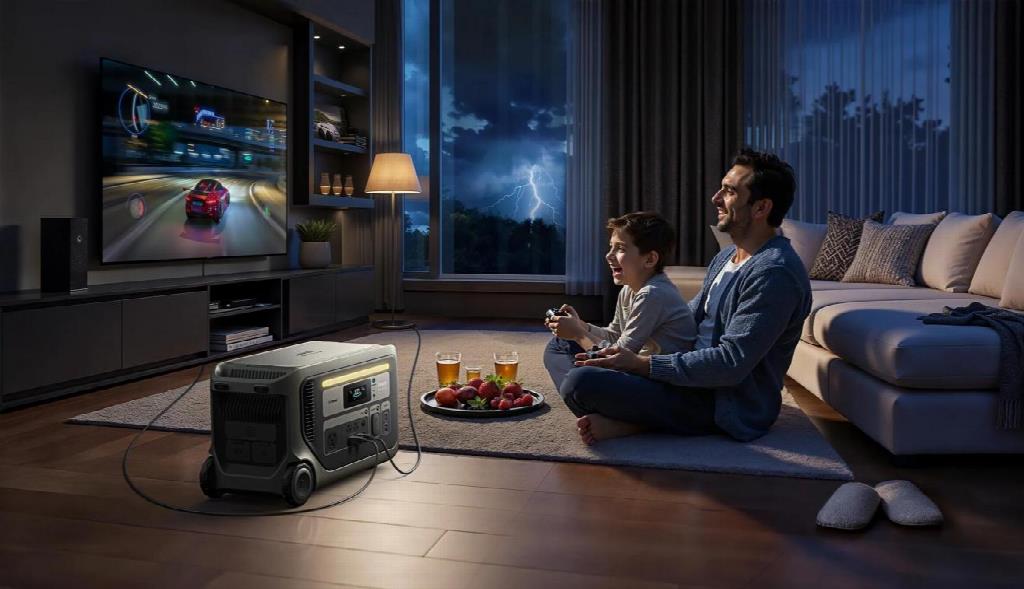
During camping trips and emergency situations, a portable solar generator can keep critical devices running without fuel storage or engine noise. It works well for LED lights, smartphones, GPS units, radios, laptops, CPAP machines, and small fans. In a power outage, it can also support routers, rechargeable batteries, and limited refrigeration needs for short periods. This makes it valuable not only for comfort but also for safety and communication. Solar recharging adds another advantage because you can restore power during the day instead of depending entirely on wall charging before departure. For families, solo travelers, or emergency kits, this kind of backup power creates a more stable setup and reduces the stress of losing access to electricity in isolated or unpredictable conditions.
Supporting cabins, RVs, and sustainable off-grid setups
Portable solar generators also fit well into longer-term off-grid living in cabins, RVs, vans, and small sustainable homes. They can power lighting, water pumps, internet equipment, portable cooking devices, and workstations while reducing dependence on noisy generators or limited hookups. In an RV or cabin, they are especially useful for managing everyday loads quietly in the background, with solar panels replenishing stored energy through the day. They also support modular living because you can move the system where it is needed rather than wiring a fixed installation everywhere. For people building a simpler lifestyle, portable solar power offers a manageable starting point. It supports energy independence, encourages efficient electricity use, and helps create a cleaner, lower-maintenance off-grid routine over time.
Conclusion
A portable solar generator is one of the most useful tools for off-grid living because it provides clean, quiet, and flexible electricity where grid access is limited or unavailable. By understanding how solar panels, batteries, and inverters work together, you can choose a system that matches your real energy needs. Focusing on battery capacity, power output, charging speed, safety features, and practical device use leads to a better long-term investment. It can support everything from emergency backup and camping essentials to daily life in cabins, RVs, and remote setups. When selected carefully, a portable solar generator improves comfort, reliability, and energy independence. For anyone planning off-grid living, it offers a straightforward way to power essentials with renewable energy and greater confidence every day.