Portable power station charging time comparison starts with one simple fact: input power determines how quickly stored energy is restored. Users usually want the shortest possible downtime, whether they are preparing for a blackout, camping trip, or mobile work setup. AC wall charging is typically the fastest method, while solar and car charging offer more flexibility when grid power is unavailable. Still, real charging speed is shaped by more than the advertised number on the box. Battery size, charging limits, weather, cable quality, and temperature all influence performance. Understanding these factors helps you choose the right charging method and recharge more efficiently.
Main Charging Methods and Their Speed Differences
AC Wall Charging (Fastest Option)
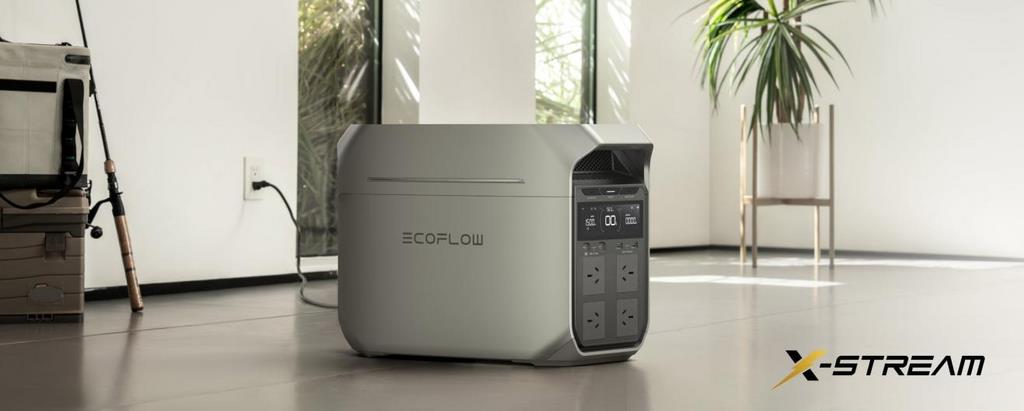
AC wall charging is usually the fastest and most consistent way to recharge a portable power station because household power delivers stable, high-wattage input. Models with strong AC input can go from low battery to full charge far quicker than with mobile or renewable options. For example, the EcoFlow DELTA 3 Plus Portable Power Station supports 1500W AC input and reaches a full charge in 56 minutes. That makes AC charging the best choice when speed matters most, such as before travel or during emergency preparation. It also avoids common slowdowns tied to weather or vehicle output. If you have access to a wall outlet, AC charging is generally the most efficient option.
Solar and Car Charging (Slower Alternatives)
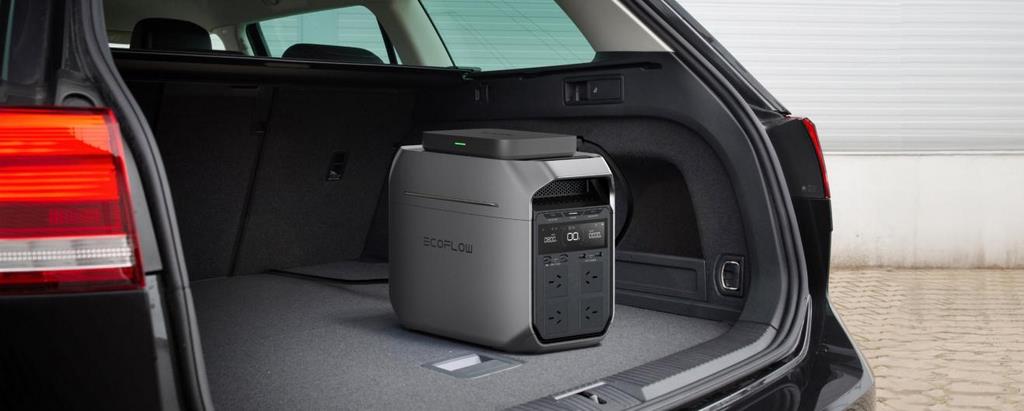
Solar and car charging are valuable when wall power is unavailable, but they are usually slower than AC charging. Solar speed depends on panel wattage, sun angle, cloud cover, and charging controller limits. A strong solar setup can still perform well; for instance, the EcoFlow DELTA 3 Plus supports 1000W MPPT solar input and can reach full charge in 70 minutes under ideal conditions. Car charging is convenient on the road, but vehicle power output is generally lower and less stable. Even with faster vehicle charging support, the same unit reaches full charge in 1.3 hours by car. These methods prioritize flexibility and off-grid use rather than the shortest recharge time.
What Affects Charging Time in Real Use?
Battery Capacity (Wh) vs Input Power (W)
Charging time is largely determined by the relationship between battery capacity, measured in watt-hours, and charging input, measured in watts. A larger battery stores more energy, so it takes longer to recharge unless input power also increases. A simple estimate comes from dividing battery capacity by charging wattage, then allowing extra time for charge management near full capacity. For example, a 1000Wh unit charging at 500W will generally take about twice as long as one charging at 1000W. This is why two portable power stations can have very different recharge times even when using the same charging method. Higher input limits usually mean faster recovery and less downtime between uses.
Temperature, Efficiency, and Energy Loss
Real-world charging is never perfectly linear because some energy is lost as heat and battery management systems adjust charging speed to protect the cells. Higher temperatures can reduce charging efficiency or trigger protective slowdowns, while very cold conditions can also limit performance until the battery warms up. Cable resistance, adapter quality, and conversion losses further affect how much input power actually reaches the battery. Charging often starts quickly and then tapers near the top of the battery range to preserve long-term health. That means the last portion of charging may take longer than expected. For the fastest practical results, users should focus on both strong input power and conditions that support efficient energy transfer.
How to Reduce Charging Time Effectively?
Use Dual Input or Fast-Charge Mode
One of the most effective ways to reduce charging time is to use a unit that supports higher input limits, dual input, or a dedicated fast-charge mode. These features allow the power station to accept more energy safely, cutting downtime without changing your overall usage pattern. Fast AC charging is often the easiest upgrade because it requires no extra setup beyond a compatible outlet. On systems that support combined charging, pairing available sources can improve total input and shorten recharge windows. The key is to stay within the manufacturer’s approved charging methods and power limits. Choosing faster supported input options gives you a direct, measurable improvement in everyday recharge speed.
Optimize Setup and Environmental Conditions
Charging speed also improves when the setup is clean, stable, and matched to the environment. Use the correct cables and adapters, keep connections secure, and avoid extension setups that may introduce unnecessary resistance. For solar charging, place panels in direct sunlight, reduce shading, and adjust their angle throughout the day to maintain stronger input. For vehicle charging, confirm that the car power source can provide the unit’s supported charging level. Temperature matters as well, so charge in a moderate environment whenever possible rather than in extreme heat or freezing conditions. Good airflow around the unit also helps. Small setup improvements often produce noticeably faster and more consistent charging performance.
Conclusion
Portable power station charging time comparison comes down to a clear ranking: AC wall charging is usually fastest, solar offers strong off-grid capability, and car charging provides useful mobility with slower speed. The actual result depends on battery capacity, input wattage, temperature, and efficiency losses during charging. If faster recharge is your priority, choose a unit with high input support and use the strongest approved charging method available. With the right setup and conditions, you can reduce downtime, improve readiness, and get more practical value from your portable power station in daily and backup use.