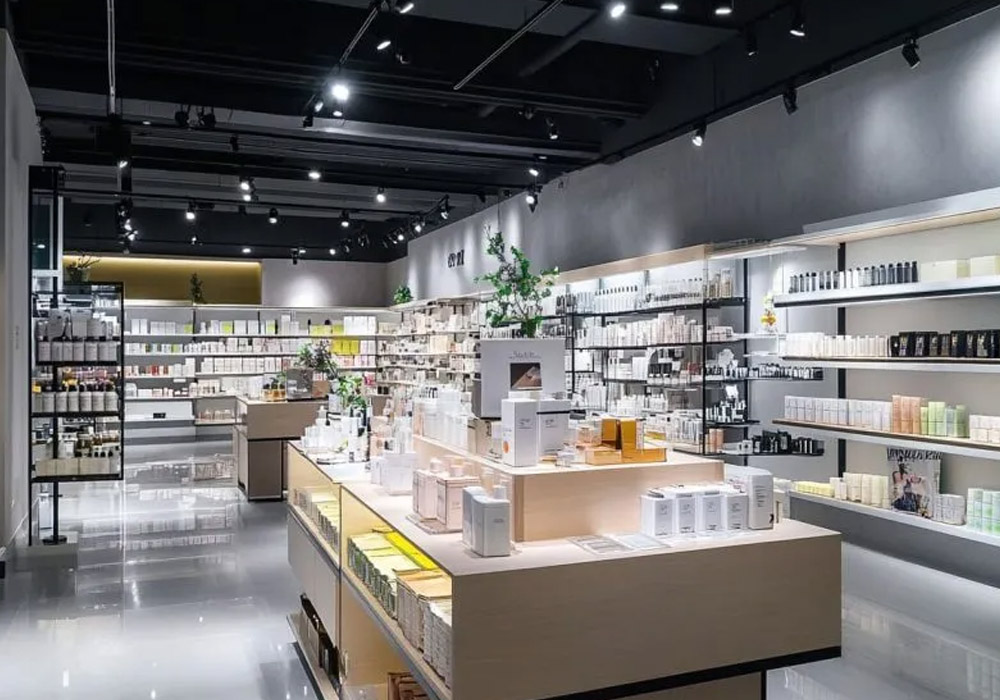
In the competitive landscape of brick-and-mortar retail, the strategic use of retail display stands can significantly enhance both customer experience and sales. These structures are not merely placeholders for merchandise; they can transform the shopping experience by enhancing product visibility and accessibility.
The Significance of Retail Display Stands
Retail display stands play a crucial role in driving customer engagement. By effectively showcasing products, these stands can influence purchasing decisions and amplify brand presence. Thoughtfully designed displays can help in catching the eye of the customer, making products more appealing.
Types of Retail Display Stands
Diverse retail environments demand different types of display stands. From countertop units for small items to full-sized floor displays for larger products, the selection is varied. Customisation in materials and design can also align the displays with a store’s aesthetic and brand identity.
Countertop Displays
These stands are perfect for point-of-sale areas where impulse buys are maximised. Compact and cost-effective, they allow retailers to highlight small, high-margin items that can lead to increased sales.
Floor Displays
Designed for heavier and bulkier products, floor displays offer durability and visibility. They are ideal for strategic placement within the store to create customer pathways and increase interaction with promoted products.
Slatwall and Gridwall Systems
A flexible option, slatwall and gridwall displays allow for versatile merchandising. These systems enable retailers to reorganise displays quickly to adapt to seasonal promotions and inventory changes.
Designing Effective Displays
When designing a retail display, aesthetics and functionality must harmonise. The display should not only attract attention but also allow customers to engage with the products easily. Colour schemes, lighting, and thematic elements should coincide with the brand and marketing objectives.
Colour and Lighting
Colour attracts and retains attention. It is important to utilise a harmonious palette that complements the store’s theme. Coupled with strategic lighting, colours can highlight key products and create a welcoming environment.
Thematic Displays
Aligning displays with seasonal or promotional themes can drive interest. This strategy not only improves sales during promotional periods but also keeps the store’s presentation fresh and engaging for repeat customers.
Impact on Customer Behaviour
Effective retail displays influence customer behaviour by driving impulse purchasing and encouraging longer store visits. Product placement and visibility guide customers towards specific purchasing paths, facilitating merchandising objectives.
Maintaining and Updating Displays
Regular maintenance of displays ensures they continue to attract customers. Updating stands with fresh merchandise and seasonal themes sustains customer interest and aligns with marketing initiatives.
Sustainability in Retail Displays
With an increasing focus on sustainability, eco-friendly display solutions are gaining popularity. Retailers now seek materials that minimise environmental impact, such as recycled wood or biodegradable plastics, without compromising on quality or design.
Conclusion
Retail display stands are vital tools in shaping the shopping experience. By effectively utilising various types and custom design features, retailers can significantly enhance product visibility, influence customer decisions, and drive sales. The strategic integration of these stands within store layouts forms a vital component of successful retail merchandising.