Want to keep your facility spotless without dropping the ball on important cleaning tasks?
Janitorial Services are what keep your building clean, safe and operating. However… If you don’t have a defined scope of work and schedule, your best cleaning crew will overlook things.
And missed cleaning tasks lead to:
- Unhappy occupants
- Health and safety risks
- Damaged surfaces and shorter asset life
In this blog we will cover all the details you need to know when scoping and scheduling janitorial maintenance services. We don’t want any details slipping through the cracks.
Let’s jump in!
What this guide covers:
- What Are Janitorial Maintenance Services?
- Why Scope and Scheduling Matter So Much
- Defining the Scope of Work
- The Ultimate Janitorial Scheduling Checklist
- Common Mistakes To Avoid
What Are Janitorial Maintenance Services?
Janitorial services include the day-to-day cleaning and sanitation services that maintain a building.
That’s not the same thing as scrubbing everything down. Janitorial maintenance is the everyday, weekly, monthly and seasonal tasks that keep everything looking clean and running safely.
Think of it as the heartbeat of your facility management plan.
These services usually cover:
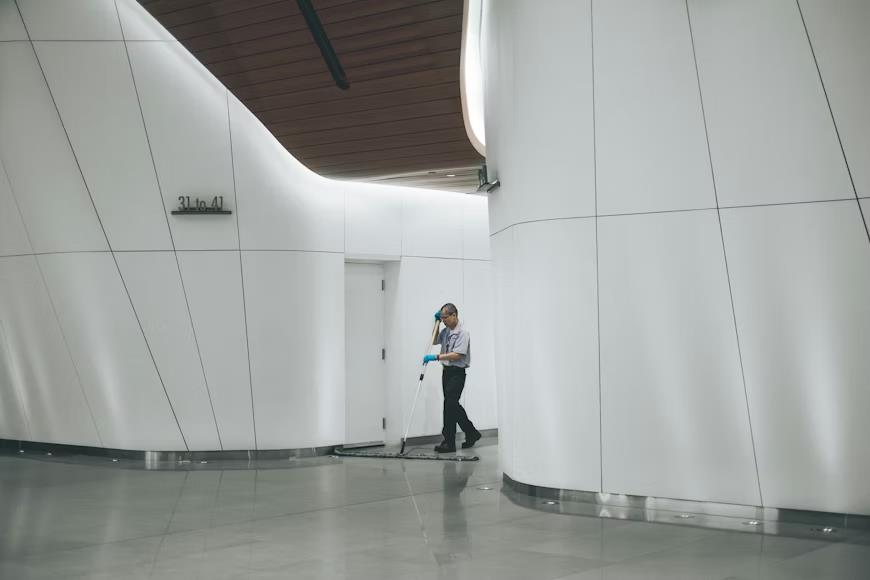
- Floors and surfaces: sweeping, mopping, vacuuming and polishing
- Restrooms: sanitising toilets, sinks, mirrors and restocking supplies
- Touchpoints: door handles, light switches, lift buttons
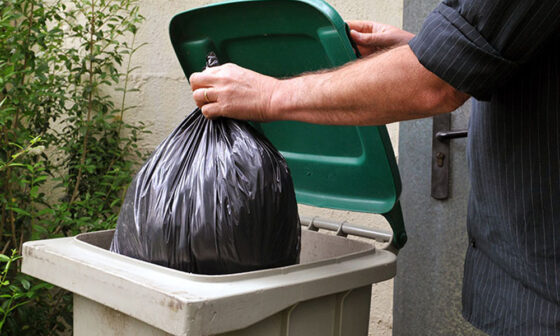
- Waste removal: emptying bins, replacing liners and recycling sorting
It’s also a massive industry. The commercial cleaning services market in the United States alone was projected to reach $81.88 billion by 2025, and continues to grow annually. So that means plenty of mops, buckets and well-stocked custodial supplies at work keeping schools, office buildings, hospitals, and retail facilities clean.
Pretty important, right?
Why Scope and Scheduling Matter So Much
Here’s the thing most facility managers don’t realise…
A cleaning crew can only perform excellent work if they know what to clean, where to clean it and how frequently to clean it. Without a defined scope and schedule, tasks are overlooked. And when tasks are overlooked, customer complaints begin.
A good scope and schedule helps you:
- Agree standards upfront — so cleaners know what you expect and you know what to look for.
- Control your budget — pay only for the work you actually need done.
- Stay compliant — meet health, safety and hygiene regulations for your industry.
- Extend asset life — regular maintenance protects floors, fixtures and finishes.
Demand for janitorial services has only increased. One industry report found that 79% of cleaning businesses provide janitorial services. Need continues to rise within commercial, healthcare and educational facilities.
That just goes to show you: If you fail to scope and schedule, you WILL fall behind fast.
Defining the Scope of Work
Before you can schedule anything you must know what exactly is being cleaned. This would be referred to as your scope of work (or SOW).
The scope tells everyone exactly:
- Which areas are included
- What tasks must be done in each area
- What standard the work must meet
Let me explain what this means…
Walk The Site First
Don’t try to scope from behind the desk. Walk the facility WITH the cleaning person.
Look at every room, hallway, restroom and outdoor area. Note things like:
- High-traffic zones that need extra attention
- Sensitive areas (server rooms, labs, kitchens)
- Surface types (carpet, tile, hardwood, vinyl)
In the walkthrough you notice those small things that are often overlooked on a standard cleaning agreement.
Break It Down By Area
Once you’ve walked the site, group the building into zones. For example:
- Entrances and lobbies: glass doors, mats, reception desks
- Offices and classrooms: desks, chairs, floors, bins
- Restrooms: fixtures, mirrors, partitions, dispensers
- Kitchens and break rooms: counters, appliances, sinks
- Common areas: hallways, stairwells, lifts
Allocate a task list to each zone. No guessing that way.
List The Tasks Clearly
List the cleaning tasks for each zone in plain English. Instead of “clean the bathroom,” be specific. “Scrub toilets, wipe sinks, mop floor, restock paper towels.”
The clearer the task list, the better the result.
The Ultimate Janitorial Scheduling Checklist
Now onto the fun stuff — creating your janitorial maintenance schedule. You want to separate your tasks by frequency. That way your daily workload is manageable and the deep cleaning occurs at the right time.
Here’s how to break it down…
Daily Tasks
These are your daily duties. They ensure your facility stays clean and tidy.
- Empty all bins and replace liners
- Wipe down high-touch surfaces (door handles, switches, counters)
- Clean and sanitise restrooms
- Restock toilet paper, soap and paper towels
- Sweep and mop hard floors in high-traffic areas
- Vacuum carpets in entrances and main hallways
- Spot-clean glass doors and mirrors
Daily work usually takes the biggest chunk of the cleaning team’s time.
Weekly Tasks
Weekly tasks are slightly deeper but still part of routine maintenance.
- Dust all horizontal surfaces (desks, shelves, ledges)
- Vacuum all carpeted areas (not just high-traffic)
- Mop hard floors throughout the building
- Clean kitchen appliances inside and out
- Wipe down baseboards and skirting
- Disinfect telephones and shared electronics
These tasks keep dust and grime from building up over time.
Monthly Tasks
Monthly cleaning addresses the areas that aren’t addressed weekly but still require maintenance.
- Dust vents, light fixtures and ceiling fans
- Wipe down walls and remove scuff marks
- Polish wood furniture
- Clean inside windows
- Vacuum upholstered furniture
- Deep clean restroom tiles and grout
Quarterly and Annual Tasks
These are your “big jobs” that keep your facility looking new for years.
- Deep clean carpets (steam or shampoo)
- Strip and wax hard floors
- Wash exterior windows
- Pressure wash sidewalks and entrances
- Clean air vents and HVAC grilles
- Sanitise trash chutes and dumpster areas
Industry research shows outside window cleaning services will increase 5.6% annually through 2033. One reason is because building owners understand the effect it has on first impressions.
Common Mistakes To Avoid
Good scope. Good schedule. Great crew. But things still go wrong. Because these are the most common mistakes that facility managers make:
Mistake #1 — Set it and forget it. Your building evolves. Equipment is added. Occupancy increases or decreases. Seasons change. Review your scope and schedule at minimum every six months.
Mistake #2 — No quality checks. A schedule is worthless without inspections. Patrol the building to ensure work is being performed correctly.
Mistake #3 — Eliminating training. Custodial crews should understand how to safely clean various surfaces, products and equipment. Damaged surfaces and injury = untrained staff.
Mistake #4 — Underestimating supplies. Running out of cleaning chemicals, bin liners or paper goods mid shift really slows you down. Always have backstock.
Wrapping It Up
Janitorial Maintenance Services Do Not Simply Entail Pushing a Mop Around. They Involve Keeping your Facility Safe, Healthy, and Welcoming for All Who Enter.
To quickly recap:
- Define a clear scope of work for every area of your facility
- Break tasks down by daily, weekly, monthly and seasonal frequency
- Inspect regularly to keep quality high
- Train your team and stock the right supplies
- Review and update your plan every few months
If you get your scope correct and your schedule realistic, your facility management will be much easier.