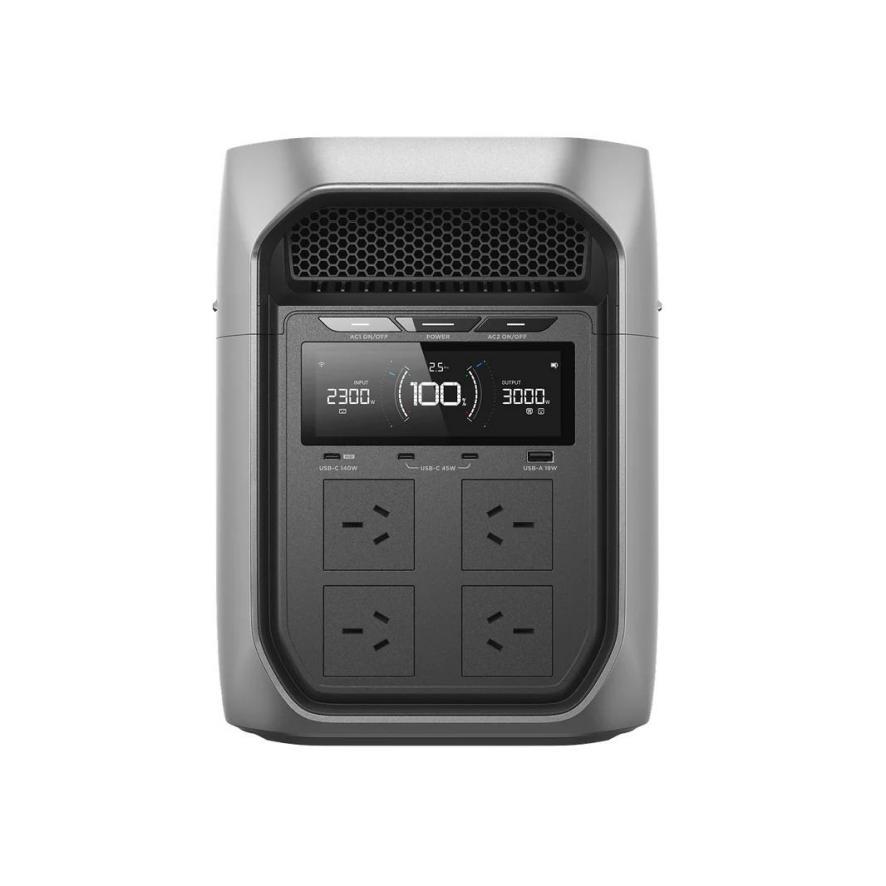
A portable power station is worth it for emergency backup when your priority is keeping essential devices running safely, quietly, and without fuel during short to medium outages. For many households, that means preserving refrigerated food for a limited time, charging phones, powering lights, keeping internet equipment online, and running medical or work-critical electronics. Unlike gas generators, portable power stations can operate indoors because they do not produce exhaust, and they require less day-to-day maintenance. They are not the right fit for every load, especially whole-home heating or central air, but they can cover the most important needs during a disruption. The real value comes from matching realistic backup expectations with the right battery capacity, output, charging options, and reliability features before you buy.
Why More Homes Are Turning to Portable Power Stations
Common emergency situations where backup power matters
Backup power matters most during the outages that disrupt ordinary routines and create immediate inconvenience or risk. Severe storms can knock out local lines for hours or days, leaving homes without light, refrigeration, internet, or a way to charge phones. Winter outages can interfere with electric blankets, space heaters in small rooms, and communication devices needed for safety updates. Summer blackouts can shut down fans, modem routers, and medication storage that depends on refrigeration. Portable backup also helps during wildfire-related shutoffs, overloaded grids, apartment power failures, and short outages that interrupt remote work or online schooling. For households with medical equipment, the value becomes even clearer. A reliable source of temporary power can support critical devices long enough to bridge the gap until grid power returns or another plan is in place.
What a portable power station can realistically keep running
A portable power station can realistically run low- to medium-wattage essentials, not every circuit in a house. In most emergency scenarios, that includes phones, tablets, laptops, LED lamps, Wi-Fi equipment, small TVs, CPAP machines, radios, and some small fans. Many units can also support a refrigerator for a limited period, though runtime depends on the fridge’s startup surge, cycling pattern, and the battery’s usable watt-hour capacity. The same is true for small kitchen appliances used briefly, such as a coffee maker or microwave, if the inverter output is high enough. What these systems usually cannot handle well for long are power-hungry loads like central air conditioning, electric ovens, large space heaters, or whole-home electric water heating. Their best use is targeted backup. If you identify a short list of truly essential devices, a portable power station often covers that list effectively and with far less hassle than larger backup setups.
How to Decide Whether It’s Worth the Investment
Key factors to evaluate before buying
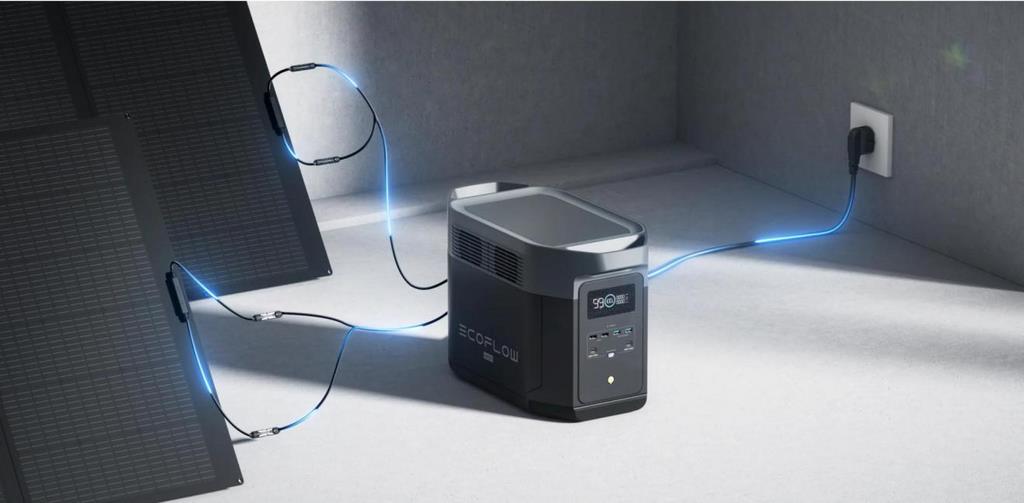
Start with the devices you actually need during an outage and note both their running wattage and, for motor-driven appliances, their startup surge. Then compare that list with a unit’s battery capacity, inverter output, port selection, and recharge time. Battery chemistry also matters because longer-life cells can improve durability if you expect frequent use. Consider where the unit will be stored, whether you can lift it easily, and how quickly you need it to be ready again after depletion. Charging flexibility is important too; wall charging is standard, while vehicle and solar charging can add resilience during extended outages. You should also look for clear displays, stable power delivery, basic safety protections, and a warranty that reflects confidence in the product. A worthwhile purchase fits your emergency plan without requiring complicated setup or unrealistic workarounds.
Comparing upfront cost with long-term value
The upfront cost can feel high, but the long-term value is easier to justify when you measure what the unit helps you avoid. A single outage can lead to food loss, missed work, dead communications, and unnecessary stress. Over time, a well-chosen portable power station can serve through repeated storms, grid interruptions, travel, outdoor projects, and home backup drills, giving it value beyond rare emergencies. It can also reduce dependence on disposable solutions like power banks for every device or temporary stopgaps that are less capable and less organized. The strongest value comes from buying enough capacity for your essentials without overspending on output you will never use. That middle ground is where portable backup makes the most sense. If it keeps your most important devices running and gets used for more than one purpose, the investment is often practical, not excessive.
Choosing the Right Portable Power Station for Your Needs
Matching battery capacity and output to essential devices
Battery capacity, usually measured in watt-hours, tells you how long the station can run your devices, while output, measured in watts, tells you what it can run at one time. Both matter equally. For example, a router, two phones, a laptop, and a few LED lights draw relatively little power and can be supported by a modest unit for many hours. A refrigerator may be possible too, but only if the inverter can handle the startup surge and the battery has enough reserve to cover cycling over time. Make a short emergency list, total the running watts, and check whether any appliance has a high surge requirement. Then estimate runtime by dividing usable battery capacity by total load, allowing for efficiency losses. This gives you a realistic picture and prevents buying a station that looks powerful on paper but falls short in a real outage.
Features that improve reliability during outages
Reliability during an outage comes from thoughtful design, not just battery size. Look for a battery management system that protects against overcharging, overheating, and short circuits, because safety and stable performance matter most under stress. An easy-to-read display helps you monitor input, output, and remaining charge quickly. Multiple output options, including AC, USB, and DC ports, make it easier to power essential devices without adapters and clutter. Fast recharging can be important if outages happen in waves, and pass-through capability may help in some backup setups. Built-in lighting can also be useful when power fails at night. If extended outages are a concern, solar charging compatibility adds another layer of resilience. Finally, durable construction, sensible handle design, low operating noise, and clear controls all improve real-world dependability when you need backup power to work immediately and without confusion.
Conclusion
Yes, a portable power station is worth it for emergency backup if your goal is to keep essential devices running during outages without the noise, fumes, and maintenance of fuel-powered alternatives. Its value is strongest for targeted backup: phones, lights, internet equipment, laptops, medical devices, and in some cases refrigeration for limited periods. The smartest purchase comes from matching capacity and output to your actual emergency needs instead of assuming bigger always means better. When you choose the right size and features, a portable power station can turn a disruptive outage into a manageable inconvenience. It also offers value beyond emergencies through travel, outdoor use, and everyday flexibility. If reliable access to basic power matters in your home, buying a well-matched portable power station is usually a practical decision, not a luxury.