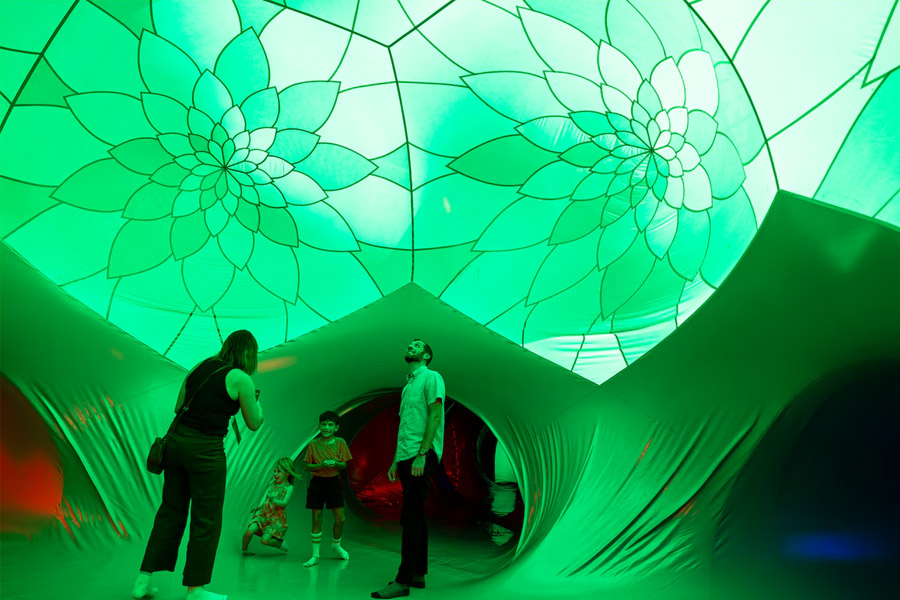
The Expanding Role of Inflatable Design in Experiential Spaces
Inflatable architecture is no longer a novelty confined to marketing stunts or children’s fairs. It has matured into a sophisticated design tool that merges engineering, aesthetics, and brand storytelling. In the current era of experiential marketing, creating an emotional imprint on attendees has become more vital than ever. Custom inflatables have entered this space as a bridge between imagination and physical form, giving shape to fleeting ideas and creating environments that captivate audiences the moment they appear.
Modern inflatables engage the audience. They breathe, light up, and change their surrounds. As digital technologies connect with portable design methods, these buildings become programmable canvases for projections, graphics, and motion. Brands and event planners are using this versatility to create living event spaces.
Beyond Spectacle: The Psychological Power of Inflatable Environments
The success of inflatables in marketing stems from something deeper than sheer size or novelty. Their immediacy works on a psychological level. When attendees step inside a sculpted dome or walk beneath an inflatable arch that towers above them, they experience a blend of awe and comfort. The soft contours and organic shapes mimic natural forms that humans instinctively find inviting. This encourages longer dwell times at events and sustains engagement more effectively than rigid installations.
Inflatables also boost emotional branding. They can embody a company’s values beyond sight. Visitors may feel safe and included in a rounded structure. A flying inflatable stage shows ambition or progress. Each design choice shapes emotion and memory.
Redefining Event Logistics and Efficiency
Inflatables are changing event operations beyond aesthetics. Traditional event preparations need many people, heavy equipment, and extensive building times. Time collapses with inflatables. A structure that took a week to build with traditional materials may be inflated in hours with fewer equipment and staff. Teams can execute temporary activations on rooftops or riverbanks with this flexibility.
Transportation has also become a central advantage. Packed into compact bags, inflatables occupy a fraction of the space that hard materials require. Event planners can stage multiple activations across different cities with minimal logistic strain. This streamlined process helps brands stay agile, adapting quickly to seasonal campaigns or emerging opportunities. Speed and portability have now become part of the design language itself.
A Canvas for Light, Sound, and Storytelling
The surface of an inflatable is now a storytelling medium. Designers can turn simple structures into living sculptures using inflatables, projection mapping, digital LED systems, and responsive lighting. Modern translucent materials produce soft, radiant colors when lit internally. Music, video loops, and atmospheric effects transform these visuals into a surreal digital art stage.
In this confluence, inflatables become part of the sensory choreography. They frame narratives rather than simply decorate them. When a brand launch or festival integrates inflatables into the visual storyline, every pulse of light or shift in shape becomes a metaphor for transformation. The result feels fluid, like stepping into a moment suspended between the physical and virtual world.
Sustainability as Structural Philosophy
Modern event design cannot ignore environmental responsibility. Inflatables respond to this challenge by embodying reusability. A single structure can appear at dozens of gatherings, each time rebranded with new overlays or digital projections. Unlike traditional stages or frames that depend on steel and timber, inflatables require minimal material resources. Their production increasingly incorporates recycled or low-impact fabrics that maintain strength without compromising sustainability goals.
Lightweight inflatable architecture reduces transport fuel consumption. This reduces international campaign carbon footprints significantly. On-site energy efficiency is improved by solar or battery-powered air system innovations. Once considered temporary décor, it now represents sustainable modernity—adaptable, mobile, and environmentally conscious.
Blurring Industry Boundaries
The significance of inflatable design goes beyond corporate events and festivals. Universities utilize them for mobile classes and exhibits. As emergency housing prototypes, architects study them. Filmmakers use specialized inflatables to create immersive sets that change perception instantly. In every field where flexibility meets imagination, inflatables enable creative freedom that rigid design rarely does.
This versatility is encouraging new collaborations between artists, brands, architects, and technologists. A single project may unite 3D modelers, lighting experts, fabric engineers, and experiential marketers under one vision. The inflatable becomes a metaphorical meeting ground for disciplines that once operated apart. It unites creativity and strategy inside a structure that literally breathes life into ideas.
The Future Intersection of Air, Space, and Technology
Innovations in smart materials and responsive systems are driving inflatable design forward. Sensor-embedded fabrics could change color, texture, or transparency with audience participation. Algorithms could change air pressure in real time to make structures expand and shrink like living things. Visitors’ movement and emotions could be used to customize experiences with AI.
These possibilities suggest a future where space reacts to humans. Inflatables will communicate and occupy spaces. Each event will teach them, establishing a feedback loop between brand messaging and audience feeling.
FAQ
How are inflatables advancing beyond traditional marketing uses?
Inflatables are essential to generating sensory-rich interactive spaces. Modern models use lighting, sound, and projection to engage viewers.
Why do audiences respond so strongly to inflatable installations?
We automatically respond to biological forms and environs. Inflatables combine both aspects with inviting softness, unlike industrial materials. This sensory comfort encourages emotional connection at events.
How do inflatables improve logistical efficiency?
These tiny bundles can be reused between activations and require little deployment equipment. This efficiency reduces expenses and allows events in unusual settings without lengthy construction.
What role does sustainability play in inflatable production?
Contemporary manufacturers prioritize recyclable fabrics, reduced material waste, and energy-efficient air systems. Their lightweight design also minimizes transportation emissions, aligning inflatables with global sustainability practices.
Are inflatables used outside the event industry?
Yes. They are used in temporary architecture, disaster relief shelters, art exhibitions, and educational installations. Their versatility and low setup time make them useful for many applications.
What technologies might shape the next generation of inflatables?
Sensitive materials, embedded sensors, and AI-driven environmental control are emerging. These technologies will let inflatables react to crowd movement and change atmosphere.