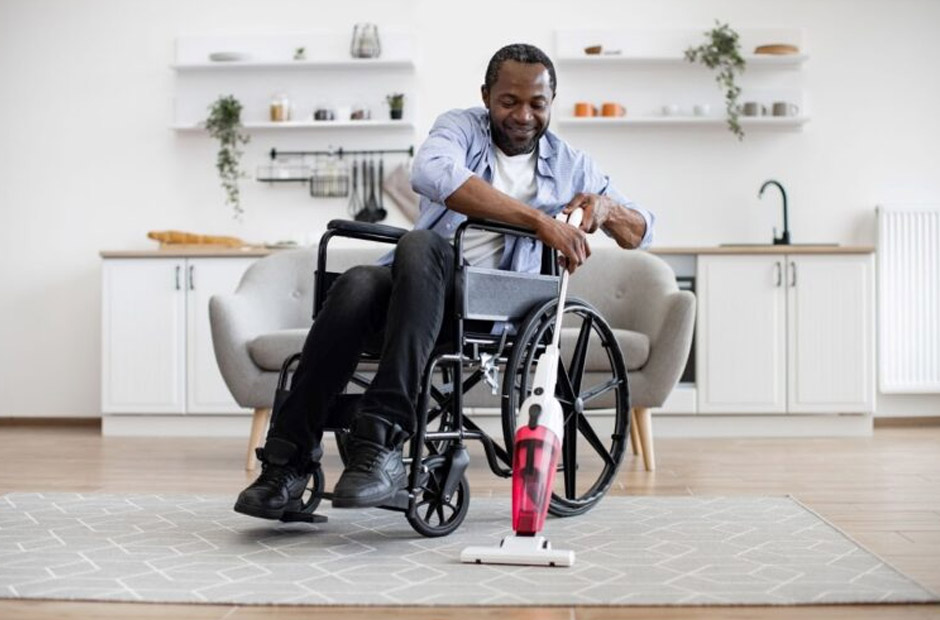
Mobility issues can hit at almost any point in life later years, a spell of recovery after an operation or injury, the long haul with a health condition, etc. If movement becomes difficult, the whole task of trying to stay independent and keep doing what you do can feel ten times harder. Luckily, advanced mobility aids and home accessibility products are helping adults travel around their homes and communities more safely and comfortably.
Two very useful assistive tools that often make a very big difference can be foldable electric wheelchair for adults and a portable wheelchair ramp. These devices are meant to enhance mobility, reduce physical effort, and facilitate safer movement in various environments.
Understanding Mobility Challenges During Recovery
The process of recovery after a certain injury is associated with changes to your routine that will require a new approach towards carrying out even the most routine tasks, such as going inside a building, changing rooms or getting around outside the house. The same applies to caregivers who have to carry the patient from one place to another.
The correct choice of mobility devices can solve all those problems.
Advantages of a Foldable Electric Wheelchair for Adults
A foldable electric wheelchair represents an excellent combination of a mobility device and portability. In contrast to conventional manual chairs, the usage of electricity means no effort on behalf of users is needed, which makes it ideal for people who have low physical abilities, stamina, or need some time to recover from injuries or surgeries.
First of all, the main benefit of a foldable chair lies in its flexible usage. The possibility of folding makes it much easier to transport and store a foldable chair and makes it convenient for any trip with one’s family members, hospital visits, or traveling. Thus, the device allows maintaining active life and lessening dependence on other people.
Another advantage concerns saving energy. It is obvious that after undergoing surgery, people become tired rather quickly. Electric power will not require extra efforts, so users will be able to use their energy for recovery and routine matters.
Finally, mobility has a direct effect on psychological condition. Improved independence usually leads to better self-esteem and willingness to communicate with others.
Ensuring Access is Safe Using a Portable Wheelchair Ramp
Barrier to accessibility is very prevalent at home, out in public places, and within communities. Just one step that exists on any entrance becomes an impossible barrier for any wheelchair user.
Portable wheelchair ramp ensures easy entry and exit from anywhere since the user simply creates a bridge over any possible obstacle such as a step, curb, or even the threshold of an entrance. With the ability to move and adjust, portable ramps allow wheelchair users easy access at multiple locations without having to undertake any permanent construction or renovations.
The safety benefits for anyone who is undergoing rehabilitation after suffering from injuries are huge because their risk of falling down is considerably reduced. Care providers will also enjoy safer access for wheelchair users when moving them across entrances and exits.
Using a portable wheelchair ramp during temporary rehabilitation periods is a cost-effective solution that avoids expensive renovations.
Promoting Independence at Home
Accessibility at home is vital to ensure the maintenance of quality of life. Sometimes even small obstacles can significantly influence the individual’s ability to move about during the day.
The combination of both assistive technology and adaptations usually leads to the best outcomes. An electric chair will promote more freedom for movement both at home and outdoors, whereas the installation of a ramp guarantees accessibility of the entryways and other outdoor areas.
Other factors to take into consideration include good lighting, uncluttered floors, handrails, and non-slippery floors.
Mobility Options Depending on Individual Circumstances
The mobility experience of each individual is different from others. Things like one’s physical strength, stability, living arrangement, transport needs, and recovery objectives must be considered when analyzing the benefits of mobility devices.
Health experts can give useful advice on what kind of device will fit one’s particular case. The suggestions of experts might aid in getting the right mobility device, which can help guarantee safety and comfort.
It is necessary to constantly analyze one’s mobility requirements, because as recovery proceeds, they might change.
Conclusion
Aids and assistive devices serve an integral part in ensuring that adults are independent, safe, and confident. An adult wheelchair that is easy to fold can make mobility easier without putting the individual under any physical stress, and a portable wheelchair ramp can be used to clear all obstacles of accessibility at home or other places.
Such practical solutions can be beneficial in ensuring better living conditions that promote recovery and encourage involvement.