Key Takeaways
- 3D and skeuomorphic designs are making a comeback, adding depth and realism to digital interfaces.
- Animated icons enhance user engagement by providing dynamic feedback and guiding interactions.
- AI integration is streamlining icon creation, enabling rapid development of customized iconography.
- Accessibility-focused designs ensure inclusivity, catering to users with diverse needs.
As digital experiences become more complex and user expectations continue to grow, the role of icon design in user interface (UI) development has never been more important. Iconography serves as the visual shorthand for actions, features, and brand identity across platforms, making clear, engaging graphics essential. In 2026, the field is undergoing rapid transformation, with designers adopting increasingly innovative techniques to create user-friendly environments. Today’s designers leverage not only traditional artistry but also advanced technology, unlocking new creative possibilities with tools like the modern icon maker.
Digital interfaces require icons that are visually appealing, interactive, and accessible. As iconography evolves with advancements in technology, trends such as 3D effects, animation, AI, and accessibility are becoming vital in product design and branding. Understanding these trends is crucial for UI designers and developers to create modern, engaging applications that cater to diverse audiences, whether updating existing interfaces or designing new products.
The Resurgence of 3D and Skeuomorphic Designs
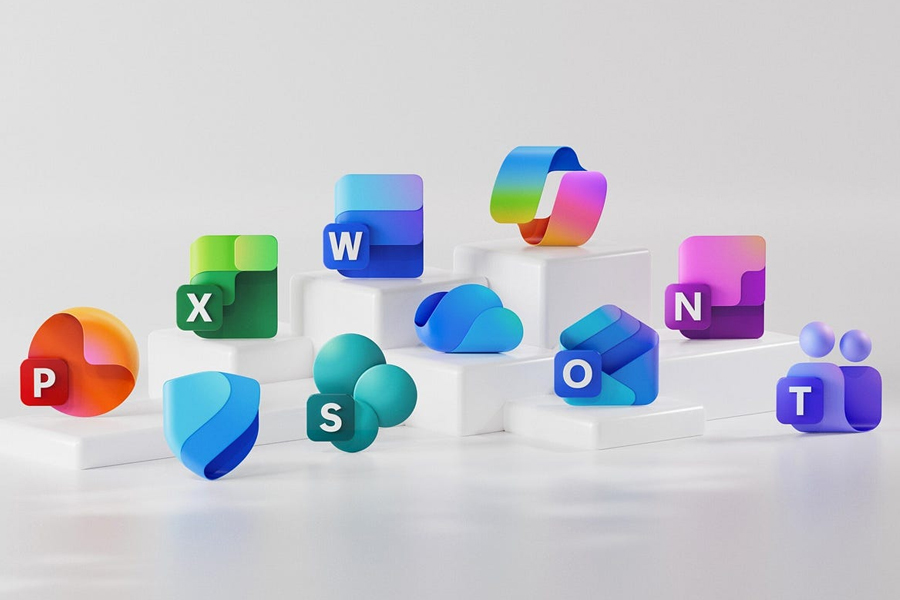
Flat design has long been the norm in digital interfaces, offering simplicity and clarity. However, in 2026, we are witnessing a pronounced return of 3D and skeuomorphic styles. These approaches use depth, shadows, gradients, and realistic textures to guide users visually and make digital environments more tangible. This trend is not just about nostalgia; it reflects a growing desire for interfaces that feel intuitive and lifelike, bridging the gap between real-world objects and digital experiences. Brands such as Apple and Airbnb have shifted away from purely flat visuals toward icons that look interactive and touchable, providing users with extra engagement.
The embrace of 3D iconography is transforming how users perceive and interact with digital interfaces. Realistic icons make navigation more intuitive and enhance immersion, especially in mobile apps and web-based dashboards. As hardware advances enable smoother rendering of photorealistic graphics, expect the demand for 3D and skeuomorphic designs to accelerate across digital sectors.
Embracing Animated Icons for Enhanced User Engagement
Animation has emerged as a fundamental trend in making digital experiences feel more dynamic and responsive. Animated icons offer micro-interactions that deliver instant feedback when users perform actions, such as tapping a button or completing a task. These small visual cues help orient users, making interfaces more intuitive and enjoyable.
In gaming, entertainment, and even productivity platforms, animated icons not only enhance the experience but also convey functional information. For instance, a loading spinner with playful movement can reduce perceived wait time, while interactive buttons guide users through complex tasks. With widespread support for CSS and SVG animations, developers can now implement animated icons without compromising performance.
AI Integration in Icon Design
Artificial Intelligence is transforming the way icons are conceptualized and created. By leveraging AI-powered tools, designers can quickly generate icon sets that align with brand guidelines and adapt to different contexts. This automation streamlines the process, allowing for rapid experimentation and refinement while maintaining consistency across platforms.
AI integration is not simply about speed. It enables data-driven customization, improving both visual appeal and usability. For example, AI can analyze real user data to suggest stylistic variations or accessibility enhancements during the design process. Additionally, AI-driven icon makers have made it easier than ever for teams to tailor iconography to language and cultural needs without manual redesign, a crucial feature for global products.
Prioritizing Accessibility in Iconography
Today’s digital interfaces must be accessible to everyone, including users with visual, cognitive, or motor impairments. Modern icon design pays special attention to contrast, clarity, and semantic meaning, ensuring that icons are easy to recognize and interpret regardless of a user’s needs. Thoughtful use of descriptive alt-text, simple shapes, and high-contrast color schemes ensures that everyone can use digital products confidently.
Emerging research is also focused on leveraging large language models to automatically generate meaningful descriptions for UI icons, streamlining the addition of accessible features during development. This allows products to serve a wider audience and comply with international accessibility regulations. Enhanced accessibility is not only a legal and ethical consideration but also a pathway to greater user satisfaction and product adoption.
Conclusion
The landscape of icon design in 2026 reflects broader technological and cultural trends, with 3D realism, engaging animation, advanced AI workflows, and accessibility-first approaches shaping how we interact with digital environments. Designers and developers must integrate these trends into their workflows to remain competitive and create meaningful, engaging, and inclusive user experiences. By adopting new tools and methodologies, teams can ensure their digital products resonate with diverse users and set the standard for design excellence now and in the future.