Sports provide countless physical, mental, and social benefits, but every activity also carries the possibility of injury. Whether you’re participating recreationally or competing at a high level, taking preventive measures can make a significant difference in your overall safety. Developing healthy habits before, during, and after physical activity helps protect your body, improve performance, and support long-term participation in the sports you enjoy most.
Prepare Your Body Before Every Activity
One of the most effective ways to prevent sports injuries is by properly preparing your body before training or competition. Muscles, joints, and connective tissues perform better when they are gradually introduced to physical activity instead of being pushed immediately into high-intensity movements.
Dynamic warm-up exercises increase blood circulation, improve flexibility, and activate the muscles required for your sport. Light jogging, arm circles, walking lunges, leg swings, and controlled mobility exercises help improve coordination while reducing the likelihood of muscle strains and ligament injuries.
Cooling down is equally important after physical activity. Gentle stretching and light movement allow your heart rate to return to normal while promoting flexibility and reducing post-exercise stiffness.
Develop a Consistent Routine
Consistency is more valuable than intensity when it comes to injury prevention. Performing the same warm-up and cool-down routine before every session trains your body to prepare efficiently for physical demands.
Athletes who establish consistent preparation habits often experience improved mobility, better movement quality, and fewer preventable injuries over time.
Wear Proper Protective Equipment
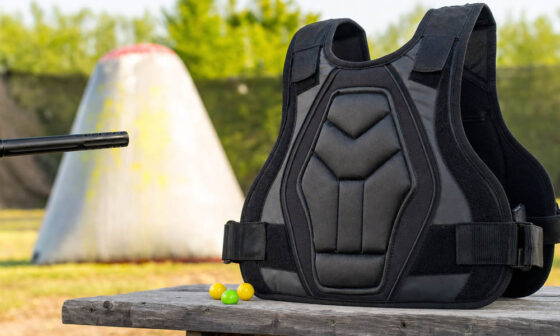
Protective equipment serves as an important barrier between athletes and potential injuries. Each sport requires specific gear designed to protect vulnerable parts of the body from impact, collisions, falls, or repetitive stress.
Helmets, protective padding, shin guards, supportive footwear, and a properly fitted mouth protector for sports all contribute to reducing injury risks during training and competition. The right equipment not only improves physical safety but also gives athletes greater confidence to focus on developing their skills.
Protective gear should always fit properly and remain in good condition. Loose, damaged, or worn equipment may fail to provide adequate protection when it is needed most.
Inspect Equipment Regularly
Protective equipment naturally wears out after repeated use. Cracks, loose straps, compressed padding, and other visible damage reduce its effectiveness.
Taking a few minutes to inspect equipment before each session helps identify problems early, allowing replacements or repairs before safety is compromised.
Build Strength, Flexibility, and Endurance
A well-conditioned body is naturally more resistant to injuries. Strong muscles stabilize joints, flexible tissues allow smoother movement, and cardiovascular endurance helps athletes maintain proper technique even during periods of fatigue.
Strength training should target the entire body rather than focusing only on sport-specific muscles. Balanced development improves posture, coordination, and overall athletic performance while reducing stress placed on individual joints.
Flexibility exercises improve range of motion and decrease muscle tightness that can contribute to strains. Mobility training also supports efficient movement patterns that place less unnecessary stress on the body.
Balance Workloads Carefully
Increasing training intensity too quickly often leads to overuse injuries. Athletes should gradually increase exercise duration, resistance, or speed to allow the body sufficient time to adapt.
Scheduled recovery days are equally important. Rest gives muscles, tendons, and ligaments time to repair, reducing the cumulative stress that can eventually result in injury.
Focus on Proper Technique and Body Mechanics
Poor technique is one of the leading causes of preventable sports injuries. Incorrect movement patterns place excessive strain on joints, muscles, and ligaments while reducing overall efficiency during athletic performance.
Learning proper techniques from qualified coaches helps athletes develop safe movement habits from the beginning. Whether throwing, lifting, tackling, jumping, or landing, correct mechanics improve both safety and effectiveness.
Athletes should prioritize quality over speed. Mastering fundamentals before progressing to advanced skills allows the body to develop coordinated movement patterns that reduce injury risks throughout training and competition.
Accept Coaching and Feedback
Even experienced athletes benefit from regular feedback. Coaches often identify small technical errors before they develop into habits that increase injury risk.
Remaining open to instruction encourages continuous improvement while reinforcing safe athletic practices throughout every stage of development.
Listen to Your Body and Prioritize Recovery
Recovery is often overlooked despite being one of the most important aspects of injury prevention. Muscles need time to repair after exercise, and ignoring signs of fatigue increases the likelihood of accidents and overuse injuries.
Adequate sleep supports tissue repair, hormone regulation, and mental focus. Proper nutrition provides the energy required for performance while supplying essential nutrients that assist recovery and strengthen the body’s natural repair processes.
Hydration also plays a vital role in maintaining muscle function, coordination, and endurance. Even mild dehydration can negatively affect balance, reaction time, and concentration during athletic activities.
Athletes should never ignore persistent pain, swelling, dizziness, or unusual discomfort. Seeking medical advice early often prevents minor injuries from becoming more serious conditions that require lengthy rehabilitation.
Recovery Supports Long-Term Performance
Rest days are not interruptions to training—they are essential components of athletic improvement. Allowing the body adequate recovery time enables consistent progress while minimizing the risk of burnout and chronic injuries.
Athletes who respect recovery often enjoy longer, healthier sporting careers with fewer interruptions caused by preventable physical setbacks.
Conclusion
Reducing the risk of sports injuries requires consistent preparation, proper equipment, effective training, and smart recovery habits. Small daily decisions, such as warming up, practicing correct techniques, maintaining protective gear, and listening to your body, have a lasting impact on athletic health. By making injury prevention a regular part of every training session and competition, athletes can improve performance, build confidence, and continue enjoying the many benefits that sports provide for years to come.