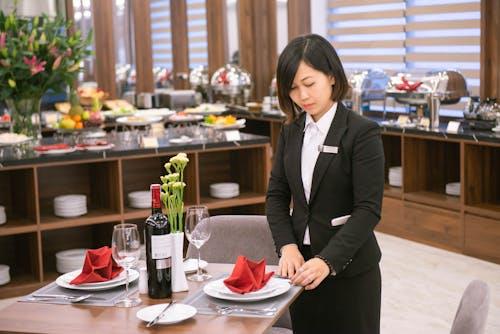
Have you ever walked into a restaurant and instantly decided whether you trusted the place before even tasting the food? Most people do it without thinking. The lighting, the clean tables, the calm energy, and even the way staff move through the room shape that judgment within seconds. In today’s hospitality world, maintaining a professional dining environment has become more important than ever because customers now share every experience online, often before dessert even arrives.
First Impressions Start Before the Menu
Hospitality businesses understand that guests form opinions quickly, especially in an age where TikTok restaurant reviews and viral customer complaints can damage a reputation overnight. A dining room that looks organized and polished immediately signals professionalism, even before the server introduces the specials. Restaurants now pay close attention to lighting, table spacing, background music, and cleanliness because customers associate visual order with food safety and service quality.
The rise of remote work has also changed dining habits. More people use cafes and restaurants as temporary offices or meeting spots, which means businesses must maintain comfortable and presentable spaces throughout the day instead of only during peak dinner hours. Customers notice overflowing trash bins and sticky tables faster than management often expects.
Cleanliness Has Become a Public Performance
After the pandemic changed how people think about hygiene, restaurants learned that cleanliness is no longer something that happens quietly behind kitchen doors. Guests want visible signs that businesses take sanitation seriously. Open kitchens, visible cleaning routines, and spotless restrooms now function almost like marketing tools because they reassure customers in real time.
Many businesses also rely on a dependable linen rental service to maintain fresh tablecloths, napkins, aprons, and kitchen towels without creating extra stress for staff. Crisp linens may seem like a small detail, but stained or wrinkled fabric can quietly undermine the atmosphere of an otherwise high-end restaurant. Customers might forgive a delayed appetizer, yet strangely enough, they rarely forget a dirty napkin.
Staff Behavior Shapes the Entire Atmosphere
Even beautifully designed restaurants can lose credibility if employees appear distracted or disorganized. Professional dining environments depend heavily on staff behavior because guests constantly observe how workers interact with each other under pressure. A tense exchange between servers near the kitchen can change the mood of an entire dining room faster than management realizes.
Hospitality businesses increasingly invest in soft-skills training because modern customer service now extends beyond taking orders correctly. Employees are expected to remain calm, friendly, and emotionally aware even during stressful rush periods. That challenge has grown harder as labor shortages continue affecting the restaurant industry across the United States, forcing many teams to work with fewer people during busy hours.
Technology Is Quietly Managing the Experience
Restaurants once relied almost entirely on human coordination, but technology now helps maintain professional environments behind the scenes. Solutions like this Hotel Sales & Catering Software help to organize bookings and standardise pricing for guests, digital kitchen screens reduce order confusion, and handheld payment devices shorten awkward waiting periods at the end of meals. Good technology often goes unnoticed, which is usually the point.
At the same time, customers expect convenience without feeling like they are eating inside a vending machine. QR code menus exploded during the pandemic, yet many diners now complain that scanning codes feels impersonal, especially at upscale restaurants. Hospitality businesses are learning that technology works best when it supports human interaction rather than replacing it entirely.
Noise Control Has Become Surprisingly Important
Modern restaurants often compete with a strange contradiction. Owners want lively energy because empty silence feels uncomfortable, but customers also want conversations without shouting across the table like they are directing airplanes on a runway. Managing sound levels has become a serious part of maintaining professional dining environments.
Acoustic panels, softer furniture materials, strategic music placement, and thoughtful room layouts all help reduce overwhelming noise. This matters because many customers now prioritize experience over speed. People meeting friends, celebrating birthdays, or attending business lunches want spaces that feel comfortable for conversation. Ironically, some trendy restaurants spend thousands on design details while accidentally creating dining rooms that sound like crowded subway stations.
Consistency Builds Customer Trust
Customers rarely expect perfection every single visit, but they do expect consistency. A restaurant that delivers excellent service one night and chaotic service the next creates uncertainty, which weakens customer loyalty over time. Hospitality businesses work hard to standardize procedures because predictable quality builds trust.
This includes everything from food presentation and employee uniforms to cleaning schedules and greeting procedures. Chain restaurants often succeed because they create familiar experiences across locations, while independent restaurants rely on strong management to maintain consistency without losing personality. In both cases, professionalism depends less on luxury and more on reliability.
Social Media Raises the Pressure
Years ago, unhappy customers might tell a few friends about a bad restaurant experience. Today, one poorly handled situation can spread online within hours through reviews, videos, and screenshots. Hospitality businesses now operate inside a constant cycle of public visibility where every detail can become content for social media.
This pressure has changed how restaurants approach professionalism. Staff members receive training on handling difficult customer interactions carefully because many disputes are now filmed. Businesses also design dining spaces with social media in mind since customers frequently photograph meals, interiors, and cocktails. In some cases, restaurants almost resemble miniature film sets designed for Instagram lighting rather than simple dining.
Professionalism Is Really About Comfort
At its core, maintaining a professional dining environment means helping customers feel comfortable, respected, and cared for during their time inside the business. Most guests are not analyzing table alignment or checking sanitation logs. They simply notice when a place feels welcoming and organized versus stressful and neglected.
The hospitality industry continues evolving alongside cultural trends, economic pressure, and changing customer expectations. Rising food costs, staffing shortages, and social media scrutiny have made restaurant operations more difficult than many customers realize. Still, successful businesses understand that professionalism often comes from mastering ordinary details consistently. Clean spaces, attentive service, calm atmospheres, and thoughtful systems create experiences people remember long after the meal ends. In an era where customers can eat almost anywhere, that feeling of trust and comfort has quietly become one of the most valuable items on the menu.