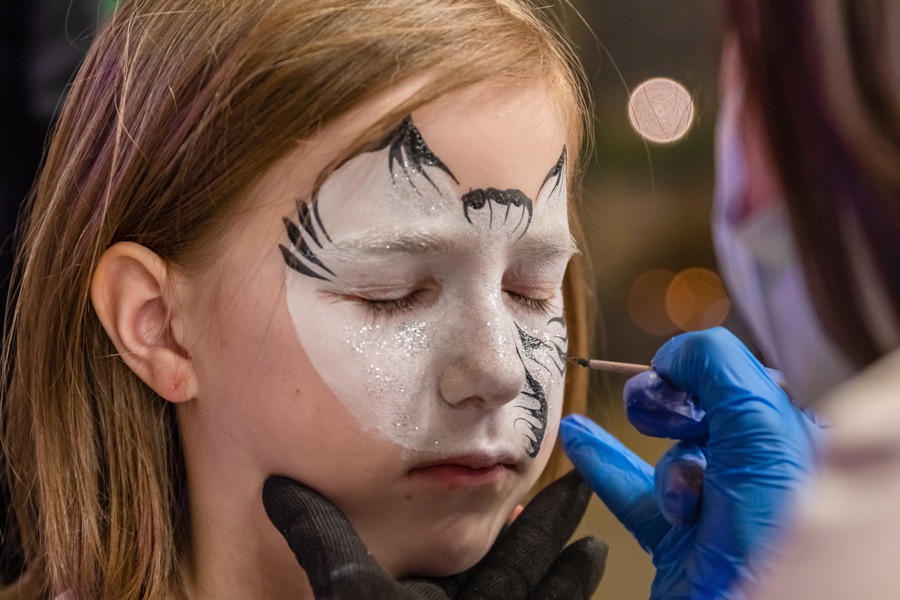
Face painting is both an art and a skill, cherished by many for its ability to transform and enchant. Aspiring face paint artists can benefit immensely from the wisdom and experience of seasoned professionals. With the right guidance, your creations can captivate audiences and elevate your artistic reputation.
Understanding the Basics of Face Painting
Before diving into advanced techniques, it is crucial to understand the basics of face painting. A firm grasp of fundamental skills lays the foundation for more intricate designs. This includes understanding types of paints, brushes, and the importance of hygiene in face painting.
Selection of Materials
The choice of materials can significantly impact your face painting output. Professional face paint artists recommend selecting high-quality paints and brushes. These tools not only ensure better results but also protect the skin of those being painted. Using reputable brands will reduce the risk of allergic reactions and ensure vibrant colours.
Preparing the Canvas
Every great work of art begins with a prepared canvas, and face painting is no exception. Before applying any paint, the face should be clean and dry. This ensures that the paint adheres properly and maintains its vibrant appearance throughout the event duration.
Mastering Techniques
To evolve as a face painter, mastering various techniques is essential. Popular techniques include sponging, line work, and blending. Each technique requires practice and precision.
Sponging
Sponging is ideal for covering large areas and creating a smooth base layer. It is important to use a stippling technique to avoid brush strokes and achieve a seamless finish.
Line Work
Line work is critical for detailing and outlining. Using the right brush and maintaining steady hands are vital for precise and clean lines.
Blending
Blending involves merging different colours to create depth and dimension. Practising gradients and mixing techniques can enhance the realism and visual appeal of your designs.
The Importance of Hygiene
Maintaining hygiene standards is non-negotiable in face painting. Using clean brushes and sponges for each session prevents skin irritations and infections. Furthermore, ensuring that all materials are allergen-free is pivotal for participant safety.
Drawing Inspiration
Creativity in face painting comes from various sources. Professional face paint artists often draw inspiration from nature, popular culture, and art history. Incorporating unique elements from these sources can make your designs stand out significantly.
Engaging with Clients
Understanding the desires and expectations of clients is fundamental for delivering satisfactory outcomes. Engaging conversations can lead to tailored designs that meet client preferences while showcasing your expertise. Companies like Creative Faces excel in personalised face painting sessions, tailoring designs to client specifications.
Continuous Learning and Improvement
In any artistic field, there is always room for growth. Participating in workshops, watching tutorials, and seeking feedback from peers are excellent ways to improve. This constant learning ensures that your skills remain sharp and your creativity ever-expanding.
Building a Portfolio
A well-curated portfolio reflects both skill and creativity. Showcasing a range of designs can help you attract new clients and demonstrate your versatility as a face painter.
Networking with Fellow Artists
Networking within the face painting community offers great insights and opportunities. Engaging with fellow face paint artists allows for shared knowledge and potentially collaborative opportunities, expanding both skillset and clientele.
In essence, honing face painting skills requires dedication, the right materials, and an ongoing pursuit of knowledge. Whether you are starting or looking to refine your craft, these expert insights from top face paint artists provide a valuable roadmap to success.