Identifying True HVAC Emergencies vs. Non-Urgent Issues
As South Shore homeowners, we know the sudden dread of an HVAC system failure. Whether it’s a furnace breakdown during a biting January Nor’easter or an AC unit quitting on a sweltering August afternoon, these emergencies don’t just cause discomfort—they can pose real risks. When your home’s heating or cooling goes out unexpectedly, you need clear, actionable guidance fast. This guide offers essential emergency HVAC repair tips for South Shore homeowners, helping you understand common issues, perform initial checks, and know when professional help is truly urgent. We aim to equip you with the knowledge to handle these stressful situations effectively and keep your family safe and comfortable, even in a crisis.
We understand that facing an HVAC emergency can be daunting. This guide will walk you through crucial steps, from identifying true emergencies to troubleshooting minor glitches before calling for service. We’ll also cover what to expect from emergency technicians, how to manage potential costs, and most importantly, how to stay safe and comfortable while you wait. By understanding these critical steps and applying Reliable South Shore HVAC tips, you can significantly reduce the stress and impact of unexpected breakdowns. Our aim is to empower you with the knowledge needed to protect your home and family, regardless of the season or the severity of the issue.
When your HVAC system falters, the first question is always: “Is this an emergency, or can it wait?” On the South Shore, where weather can be extreme, this distinction is crucial for both safety and cost-effectiveness. A true emergency often involves immediate safety risks or conditions that could rapidly lead to significant property damage or health hazards. Non-urgent issues, while inconvenient, typically don’t pose these immediate threats and can often be addressed during standard business hours.
Common HVAC emergencies homeowners face on the South Shore during winter and summer often stem from the intense demands placed on systems by our coastal climate. In winter, heating failures are paramount, especially during Nor’easter storms or prolonged cold snaps. A furnace going out can quickly lead to freezing pipes, hypothermia risks, and significant discomfort. In summer, AC breakdowns during heatwaves are equally critical, particularly for vulnerable populations. The constant strain on systems, especially older ones, makes them far more likely to experience sudden failures. Air conditioning alone accounts for roughly 6 percent of all electricity produced in the United States, and systems running under strain are far more likely to experience sudden failures.
Understanding the difference between a critical issue and one that can wait is key to managing your home’s comfort and your budget. Here’s a breakdown to help you triage your HVAC situation:
Immediate Safety Hazards: Gas, Electrical, and Flooding
Certain HVAC issues demand immediate attention due to their inherent dangers. These are true emergencies where delaying a professional response could have severe consequences.
- Gas Odors (Sulfur Smell): If you detect a strong smell of rotten eggs or sulfur, especially near your furnace or gas lines, this indicates a potential gas leak. Natural gas is highly flammable and toxic. Your immediate action should be to shut off the gas supply if it’s safe to do so, evacuate everyone from the home, and call your gas provider and then emergency services from a safe distance. Do not operate any electrical switches or appliances, as this could ignite the gas.
- Carbon Monoxide (CO) Alarms: If your carbon monoxide detector goes off, take it seriously. CO is an odorless, colorless, and deadly gas. Even if you don’t feel symptoms, evacuate immediately and call emergency services. Your HVAC system, particularly a furnace, can be a source of CO if it’s not combusting fuel properly or if its exhaust system is blocked.
- Electrical Burning Smell or Sparks: A burning smell that isn’t quickly identifiable as something harmless (like dust burning off a heating element) or visible sparks coming from your HVAC unit or electrical panel indicates a serious electrical problem. This is a fire hazard. Turn off the power to the unit at the circuit breaker immediately and call for emergency HVAC service.
- Water Flooding: While a minor drip might not be an emergency, significant water flooding around your furnace, air handler, or water heater can cause extensive property damage, create electrical hazards, and promote mold growth. If water is pooling rapidly or threatening electrical components, turn off the water supply to the unit (if applicable) and the power, then call for emergency service.
Evaluating Temperature Extremes and Vulnerable Household Members
Beyond immediate safety hazards, the impact of temperature extremes on your household can elevate an HVAC issue to an emergency, especially on the South Shore.
- Sub-Freezing Nights (Winter): A heating system failure during prolonged periods of sub-freezing temperatures is an emergency. Not only does it pose a risk of hypothermia for occupants, but it also creates a significant risk of pipes freezing and bursting, leading to costly water damage. This is particularly true for homes exposed to cold coastal winds.
- Extreme Heatwaves (Summer): Similarly, an air conditioning breakdown during a severe heatwave can be life-threatening, especially for infants, the elderly, individuals with chronic health conditions, or pets. High indoor temperatures can lead to heatstroke and dehydration.
- Vulnerable Residents: The presence of vulnerable individuals in your home (e.g., infants, elderly, immunocompromised, or those with respiratory issues) significantly lowers the threshold for what constitutes an HVAC emergency. Their bodies are less able to regulate temperature, making them more susceptible to the adverse effects of extreme heat or cold.
Here’s a comparison to help you decide:
| Issue | Urgency | Category |
|---|---|---|
| Gas leak (rotten egg smell) | True Emergency | Safety Hazards |
| Carbon monoxide alarm activation | True Emergency | Safety Hazards |
| Electrical burning smell, sparks, or smoke | True Emergency | Safety Hazards |
| Significant water flooding near unit | True Emergency | Safety Hazards |
| Complete heating failure in freezing temperatures | True Emergency | Health & Property Risks |
| Complete AC failure in extreme heatwaves | True Emergency | Health & Property Risks |
| Risk of frozen/burst pipes | True Emergency | Health & Property Risks |
| No heating/cooling with vulnerable occupants in home | True Emergency | Health & Property Risks |
| Loud, violent banging or grinding noises from unit | True Emergency | Health & Property Risks |
| Unusual noises (squeaks, rattles, hums) | Non-Urgent (Can Wait) | Minor Discomfort/Performance |
| Slightly higher energy bills | Non-Urgent (Can Wait) | Minor Discomfort/Performance |
| Minor temperature fluctuations | Non-Urgent (Can Wait) | Minor Discomfort/Performance |
| System running longer than usual (no extreme temps) | Non-Urgent (Can Wait) | Minor Discomfort/Performance |
| Dust accumulation on vents | Non-Urgent (Can Wait) | Minor Discomfort/Performance |
| Thermostat display problems (if system still operating) | Non-Urgent (Can Wait) | Minor Operational Glitches |
| Pilot light out (if easily re-lit per manual) | Non-Urgent (Can Wait) | Minor Operational Glitches |
| Drain pan overflow (minor, easily cleaned, no electrical risk) | Non-Urgent (Can Wait) | Minor Operational Glitches |
| Dirty air filter (if not completely blocked) | Non-Urgent (Can Wait) | Minor Operational Glitches |
Troubleshooting and Pre-Call Steps: Reliable South Shore HVAC Tips
Before reaching for the phone to call for emergency service, there are several basic checks you, as a homeowner, can perform. These simple troubleshooting steps can often resolve minor issues, saving you the cost and inconvenience of an emergency service call. Sometimes, what seems like a major breakdown is just a tripped breaker or a dead thermostat battery.
Reliable South Shore HVAC Tips for Rapid System Checks
Taking a few minutes to conduct these checks can be incredibly valuable.
- Check Your Thermostat:Batteries: If your thermostat is blank or unresponsive, the batteries might be dead. Replace them.
- Settings: Ensure the thermostat is set to the correct mode (heat/cool) and temperature. Sometimes, it might have been accidentally switched off or to “fan only.”
- “On” vs. “Auto”: Make sure the fan is set to “Auto” for normal operation, not “On” unless you specifically want continuous fan circulation.
- Inspect Your Circuit Breakers: Go to your home’s electrical panel. Look for any tripped breakers (usually halfway between “on” and “off” or fully “off”). HVAC systems, especially outdoor units, often have dedicated breakers. Flip any tripped breaker completely off, then back on. If it trips again immediately, do not reset it repeatedly; this indicates a serious electrical problem requiring professional attention.
- Examine Your Air Filter: A clogged air filter can severely restrict airflow, causing your system to overheat, freeze up, or shut down. Pull out your filter and check its condition. If it’s dirty, replace it. We recommend servicing your HVAC system at least once a year—ideally in the spring for air conditioning and fall for heating, which includes filter checks.
- Verify Power Switches: Both your indoor and outdoor HVAC units typically have their own power switches. Ensure they haven’t been accidentally turned off. For outdoor AC units, there’s usually a disconnect switch near the unit.
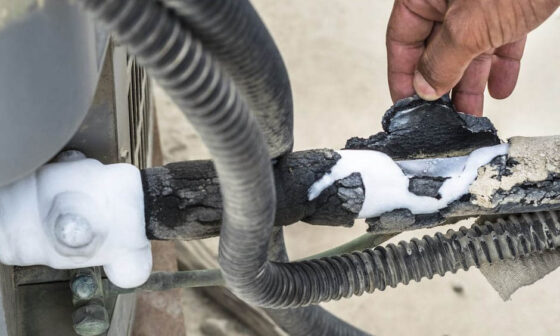
- Look for Ice Accumulation: If your AC unit is running but not cooling, or if your heat pump is struggling in heating mode, check for ice on the outdoor coils or refrigerant lines. Ice indicates a problem with airflow, refrigerant levels, or the defrost cycle. Turn off the unit immediately to allow it to thaw, then call for service. Continuing to run a frozen unit can cause significant damage.
- Check the Drain Pan (AC): For air conditioners, check the condensate drain pan for overflow. If it’s full, the float switch may have shut off the system to prevent water damage. Clear any blockages in the drain line (often a simple clog from algae or debris).
For more in-depth guidance on preventative measures and what homeowners can do to avoid unexpected breakdowns, exploring Reliable South Shore HVAC tips can provide valuable insights into maintaining system health and reducing the likelihood of emergency situations.
What to Prepare Before Calling for 24/7 Service
If your troubleshooting efforts don’t resolve the issue, and you’ve determined it’s an emergency, being prepared before you call can expedite the service process.
- Gather Unit Information: Note down the make, model number, and serial number of your HVAC unit(s). This information is usually found on a sticker or plate on the side of the unit.
- Describe the Problem Clearly: Be ready to explain what happened, when it started, and any specific symptoms (e.g., “furnace blowing cold air,” “AC making a loud banging noise,” “no power to the thermostat”).
- Note Any Error Codes: If your thermostat or unit display shows an error code, write it down. This can be a crucial diagnostic clue for the technician.
- Provide a Failure Timeline: When did the problem begin? Was it sudden, or has it been intermittent? Did anything unusual happen right before the failure (e.g., power outage, strange smell)?
- Clear the Pathway: Ensure the area around your indoor and outdoor HVAC units is clear and accessible for the technician. Remove any clutter, furniture, or debris that might impede their work. If your outdoor unit is covered in snow, clear a path to it.
What to Expect During an Emergency HVAC Service Call
When you’ve determined that an HVAC emergency requires professional attention, knowing what to expect can help manage your stress and prepare you for the process. On the South Shore, emergency services are designed to address urgent needs, often outside of standard business hours.
Response Times and Cost Breakdown on the South Shore
Emergency service differs significantly from routine maintenance or scheduled repairs.
- Local Response: Reputable HVAC companies on the South Shore strive to offer prompt emergency response, often within a few hours, depending on their current call volume, weather conditions, and technician availability. Coastal travel during severe weather, like a Nor’easter, might impact response times, but emergency calls are typically prioritized.
- After-Hours Fees: Emergency service calls cost significantly more than regular appointments—often $150-$300 extra just for the after-hours response, plus regular repair costs. This surcharge covers the cost of technicians working outside of normal business hours, on weekends, or holidays.
- Diagnostic Costs: Even with an emergency call, there will typically be a diagnostic fee to assess the problem. This fee covers the technician’s time and expertise in identifying the root cause of the issue.
- Overtime Rates: If the repair itself extends into overtime hours, the labor costs will reflect those higher rates. This is why having a clear understanding of the issue and preparing information beforehand can sometimes help streamline the process.
Here’s a list of typical factors that contribute to emergency service costs:
- Time of Call: After-hours, weekends, holidays.
- Diagnostic Fee: For technician’s assessment.
- Labor Rates: Standard vs. overtime.
- Parts Cost: Depending on what needs replacement.
- Travel Distance: To your South Shore home.
- Complexity of Repair: Simple fix vs. extensive repair.
- Urgency: Prioritized emergency dispatch.
- ![LIST] of typical emergency service cost factors
Staying Safe and Comfortable While Waiting for Technicians
While you await the arrival of your emergency HVAC technician, ensuring the safety and comfort of your household is paramount.
- Space Heater Safety: If you’re using portable electric space heaters, ensure they are placed on a flat, stable surface, away from flammable materials like curtains, bedding, or furniture. Never leave them unattended, especially overnight or when leaving the house. Plug them directly into wall outlets, not extension cords, to prevent overloading circuits.
- Sealing Drafts: Close doors to unused rooms and seal off drafty windows and doors with towels or blankets to help retain existing heat or cool air.
- Zone Heating/Cooling: Consolidate your household into one or two rooms. Use blankets, warm clothing, or fans to manage temperatures in these smaller, contained areas.
- Hydration: In extreme heat, staying hydrated is crucial. Drink plenty of water, even if you don’t feel thirsty. In cold weather, warm drinks can help maintain body temperature.
- Secondary Shelter: If the temperatures are dangerously extreme and the wait for service is prolonged, consider temporarily relocating to a friend’s or family member’s home, or a public warming/cooling center if available in your South Shore community.
- Pet Safety: Remember your pets. They are also susceptible to temperature extremes. Ensure they have access to water and a safe, comfortable space.
Preventing Future Breakdowns with Long-Term Maintenance
While emergency repairs address immediate crises, the best approach is always prevention. Proactive, long-term maintenance is the most effective way to avoid unexpected HVAC emergencies, especially given the challenging coastal environment of the South Shore. Well-maintained HVAC systems experience up to 95 percent fewer unexpected breakdowns compared to neglected units. This not only saves you from the stress and expense of emergency calls but also extends the life of your equipment and improves its efficiency.
Seasonal Tune-Up Schedules and Lifespan Expectations
Regular maintenance is not just a recommendation; it’s a necessity for optimal performance and longevity.
- Biannual Check-ups: We recommend servicing your HVAC system at least once a year—ideally in the spring for air conditioning and fall for heating. For systems like heat pumps that provide both heating and cooling, a biannual check-up (spring and fall) is highly beneficial.
- Furnace Longevity: With proper maintenance, most furnaces can last 15–20 years. Regular tune-ups ensure components are clean, calibrated, and operating safely, preventing premature failure.
- Air Conditioner Lifespan: Air conditioners typically last 10–15 years with consistent care. Annual spring maintenance helps prepare the unit for the heavy summer workload, checking refrigerant levels, cleaning coils, and inspecting electrical connections.
- Heat Pump Durability: Heat pumps, which work year-round, also have a lifespan of 10–15 years. Their dual function means they endure more operational hours, making regular spring and fall tune-ups even more critical to catch wear and tear early.
These routine inspections allow technicians to identify and address minor issues before they escalate into costly emergencies. They also ensure your system is running at peak efficiency, which can lead to significant energy savings over time.
Applying Reliable South Shore HVAC Tips for Year-Round Care
Beyond professional tune-ups, there are several actions homeowners can take throughout the year to maintain their HVAC systems and mitigate the unique challenges of the South Shore.
- Regular Filter Replacement: This is perhaps the simplest yet most impactful maintenance task. Check your air filter monthly and replace it every 1-3 months, or more frequently if you have pets, allergies, or live in a dusty environment. A clean filter ensures good airflow, improves indoor air quality, and reduces strain on your system.
- Salt Air Protection: The South Shore’s coastal environment means exposure to salt air, which can accelerate corrosion on outdoor HVAC units. Consider having your technician apply a protective coating to coils and components during maintenance visits. Regularly rinse your outdoor unit with a gentle stream of water (avoiding electrical components) to remove salt buildup.
- Duct Sealing: Leaky ductwork can reduce your system’s efficiency by 20-30%. Have your ducts inspected and sealed professionally to ensure conditioned air reaches its intended destination, rather than escaping into attics or crawl spaces.
- Coil Cleaning: While professional cleaning is part of a tune-up, keeping the area around your outdoor unit clear of debris, leaves, and vegetation allows for better airflow and helps prevent the coils from getting excessively dirty between professional cleanings.
By consistently applying these preventative measures and following Reliable South Shore HVAC tips, you can significantly reduce the risk of unexpected breakdowns and ensure your home remains comfortable and safe throughout the year, regardless of what the South Shore weather brings.
Frequently Asked Questions About South Shore HVAC Emergencies
Homeowners often have similar questions when faced with an HVAC emergency. Here are some common inquiries and our expert advice.
How much extra does emergency after-hours HVAC repair cost?
Emergency service calls come with additional costs compared to standard appointments due to the immediate response required outside of regular business hours. Typically, you can expect an emergency service to include a higher trip fee or an after-hours surcharge, which can range from $150-$300 just for the response. On top of this, there will be a diagnostic fee to identify the problem, and then the cost of labor and parts for the actual repair. Labor rates during evenings, weekends, and holidays are often at an overtime premium. While the exact figures can vary by company and the complexity of the repair, understanding these components helps manage expectations.
What should I do immediately if I smell gas from my furnace?
If you detect a distinct smell of rotten eggs or sulfur, which indicates a natural gas leak, your immediate actions are critical for safety:
- Do NOT turn on or off any lights, appliances, or electrical switches. A spark could ignite the gas.
- Evacuate Immediately: Get everyone, including pets, out of the house.
- Call from a Safe Distance: Once you are safely away from the building, call your gas utility company’s emergency line (usually a 24/7 service) and then call 911.
- Do NOT Re-enter: Wait for emergency responders to declare your home safe before re-entering.
How often should South Shore heating and cooling systems be serviced?
To ensure optimal performance, efficiency, and longevity for your HVAC system on the South Shore, we recommend professional servicing at least once a year. Ideally, this means a biannual maintenance schedule:
- Spring Tune-up: Schedule this before the summer heat arrives (typically April or May) for your air conditioning system. This prepares it for the heavy cooling demands of summer.
- Fall Tune-up: Schedule this before the winter chill sets in (typically September or October) for your heating system (furnace or heat pump). This ensures it’s ready to provide reliable warmth during the colder months.
For heat pumps that operate year-round, both a spring and fall check-up are highly beneficial to maintain their efficiency and catch potential issues early. Regular maintenance is the single most effective way to prevent unexpected breakdowns and keep your system running smoothly for years to come.
Conclusion
Navigating an HVAC emergency on the South Shore can be a stressful experience, but with the right knowledge and preparation, you can handle these situations effectively and minimize their impact. From understanding what constitutes a true emergency to performing initial troubleshooting steps, and knowing what to expect from professional service, being informed is your best defense.
Prioritizing safety, especially when dealing with potential gas leaks or electrical hazards, is always paramount. While awaiting professional help, taking steps to stay comfortable and protect your home can make a significant difference. The most effective strategy for South Shore homeowners is proactive maintenance. Regular seasonal tune-ups and diligent year-round care not only extend the life of your HVAC system but also drastically reduce the likelihood of inconvenient and costly emergency breakdowns. By embracing emergency readiness and prioritizing proactive maintenance, you empower your home with coastal weather resilience, ensuring comfort and peace of mind for years to come.