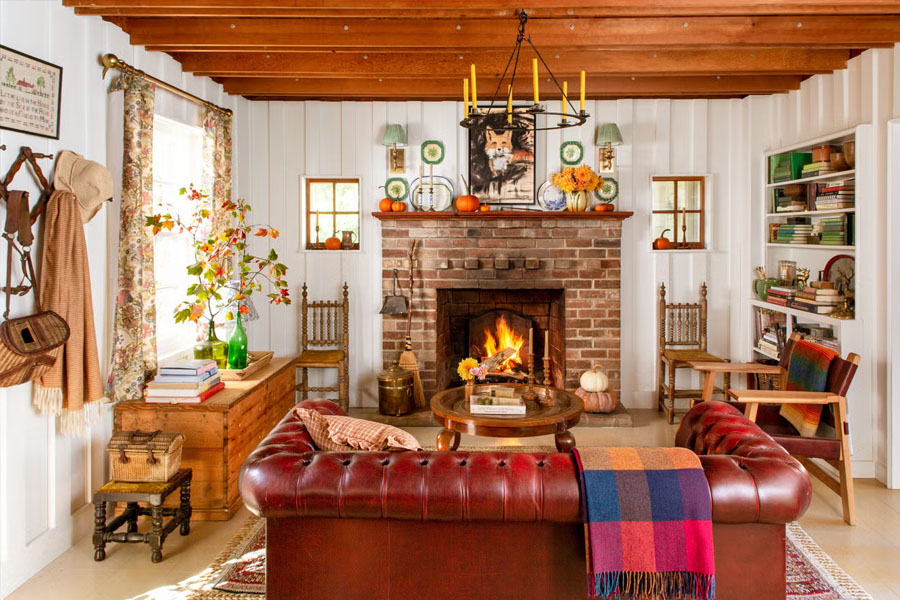
Vintage farmhouse style is less about recreating a perfect old house and more about making a home feel comfortable, useful, and personal. The look comes together through timeworn wood, soft textiles, practical storage, gentle color, and pieces that appear to have a story. If you are looking for affordable accents to begin the process, you can shop affordable home decor at Decor Steals and focus on items that add purpose and personality.
The goal is not to fill every wall with signs or make every surface look distressed. A successful vintage farmhouse room feels settled because it balances old and new, visual interest and open space, beauty and daily function. Whether you live in a rental, an apartment, a new build, or an older home, this
What Makes Vintage Farmhouse Style Work?
This style is effective when functional furniture, natural materials, pale colors and elements of aging are used in moderation. An old oak table, linen curtains, iron fittings, and a painted landscape can create a warm atmosphere without the use of countless thematic decor items. It is better to think of the room as a collection that has developed over time rather than a set design acquired in one shopping trip.
As an example, a contemporary living room can look cozier with the addition of an antique wooden cupboard, a single wicker basket for throws, and an artwork in an aged frame. Such features can enhance the atmosphere while allowing the furniture, lighting, and storage to meet modern needs.
Start With A Simple Base
Start with the biggest features in the room: walls, floor, seating, curtains, and carpet. A base of warm white, mushroom, muted green, soft blue, and various shades of brown makes it easy to introduce old decorative elements. Choose paint and fabric samples and see how they look in natural daylight and at night, as lighting can change their appearance.
A neutral color palette can be full of life. Using different textures in upholstery, wood patterns, or pleated shades you will be able to add more character to it. Since it will be strikingly simple you will be able to change your vintage treasures whenever you want without changing the whole room’s arrangement.
Build A Useful Color Palette
Apply the basic 60-30-10 rule, which means that the primary color would appear in approximately 60 percent of the space, in surfaces like walls or carpets, while the secondary color will occupy around 30 percent through aspects like sofas, curtains, or textures of wood. Use 10 percent for additional decor. An excellent color combination includes warm cream, worn wood, sage, and brass.
Choose a couple of colors that you will use throughout the rooms. A wood tone might become a base color that will bind many other colors together through the use of colored furniture, cane baskets, and metallic details. Do not be afraid of experimenting with dark colors used for bases, frames, hardware, or a deep-colored cushion.
Mix Old And New Pieces
Contemporary ease and retro style go hand-in-hand. An antique wardrobe may be complemented by a straight sofa, or new chairs at an old table can be enjoyable. Meanwhile, modern lamps are preferable for ease of use and safety, but antique pieces will add character.
Be certain to check proportions when shopping for antiques. A small antique box next to a big sofa will be nearly invisible, while a large armoire will take up too much space in a tiny room. It is best to pick a couple of interesting pieces of vintage furniture and surround them with more neutral options.
Choose Functional Decor
Useful decorative items make their way into everyday life. For example, the basket can hold blankets, trays can be used to hold keys and mail, stools can add some extra seating and cabinets can be great for hiding things that otherwise make a room crowded. This way, one can avoid cluttering the space.
Quick Buying Checklist
- Does the item solve a real need?
- Can it fit through the doorway and work within the room’s measurements?
- Is it stable, cleanable, and safe to use?
- Does it relate to at least two other pieces already in the room?
- Can you maintain or repair it without unreasonable cost or effort?
Add Texture And Height
The use of texture gives a quiet color palette some dimension. Use decorative finishes such as smooth ceramic, textured wood, soft linen, glass, old metal, cotton, rattan, and woven fibers. Use books, risers, boxes, or pedestal bowls to create height in shelves or tabletops. Odd groupings create a relaxed atmosphere, but the arrangements need to have some space around them.
Light is equally important. Use table and wall lamps to produce softer shadows and bring out the wood grain, the weave of baskets, and the patina of old metal. Don’t depend on just one overly bright overhead light.
Style Each Room With Purpose
Entryway
Use a narrow bench, hooks, a mirror, and one basket for shoes or bags. Keep the pathway clear, then add one meaningful decorative element above eye level.
Living Room
Anchor the seating arrangement with a comfortable rug and bring in one strong vintage feature, such as a wood coffee table, cabinet, or landscape painting. Layer lamps rather than depending only on ceiling lighting.
Kitchen And Dining Area
Display only the dishes, cutting boards, linens, and vessels you use often. Balance open shelving with closed storage, and choose a centerpiece that can be moved quickly when the table is needed.
Bedroom And Porch
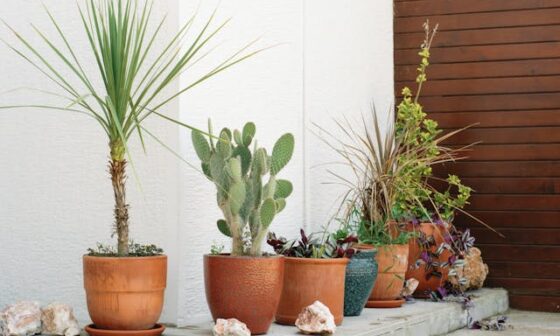
In bedrooms, keep bedding and window coverings simple, then add character with a wooden bench, a woven basket, small artwork, or a vintage mirror. Outdoors, use weather-ready planters, washable textiles, lanterns, and stools, while protecting delicate finds from moisture and strong sun.
Avoid Common Decorating Mistakes
- Buying too many distressed pieces at once.
- Using the same wood tone throughout the entire room.
- Shopping before measuring walls, doorways, and furniture placement.
- Filling shelves from edge to edge with small accessories.
- Choosing old-looking finishes over genuinely useful, well-made pieces.
- Ignoring cleaning needs, storage, comfort, and lighting.
Use A Simple Refresh Plan
- Remove items that no longer serve the room.
- Move the largest furniture pieces first.
- Select one focal point, such as a cabinet, fireplace, or artwork.
- Add a rug, lamp, or textile to improve comfort.
- Bring in one vintage or vintage-inspired accent.
- Contain daily clutter with baskets, trays, or closed storage.
- Step back and remove anything that feels repetitive.
Buy secondhand pieces carefully. Inspect furniture for loose joints, structural damage, odors, pests, unsafe wiring, chipped finishes, and repairs that may be difficult to complete. Choosing durable items and keeping them in use can also support a more thoughtful approach to materials, consistent with the EPA’s guidance on source reduction and reuse.
Final Thoughts
For creating a cozy home based on the farmhouse style, it is not necessary to follow a specific plan or do a total redesign. Just collect useful furniture, soft fabrics, and warm colors with personal items that convey specific meaning.