Most people don’t think much about plumbing until something goes wrong. Then they grab the phone and call the first plumber they find. That works fine when the problem is a dripping faucet in your house. It’s a different story when the problem is in an office building, a restaurant, or a 40-unit apartment complex.
The truth is, commercial plumbing and residential plumbing are two different trades that happen to share a license. The equipment, the codes, the stakes, and the skills required are not the same. If you own or manage a commercial property, hiring the wrong type of plumber can cost you far more than the repair itself.
Here’s what you should know before you hire anyone to touch the pipes in your building.
The Systems Are Bigger and More Complex
A residential plumbing system serves one family. It has a handful of fixtures, one water heater, and a single drain line running to the street. A commercial system might serve hundreds of people a day.
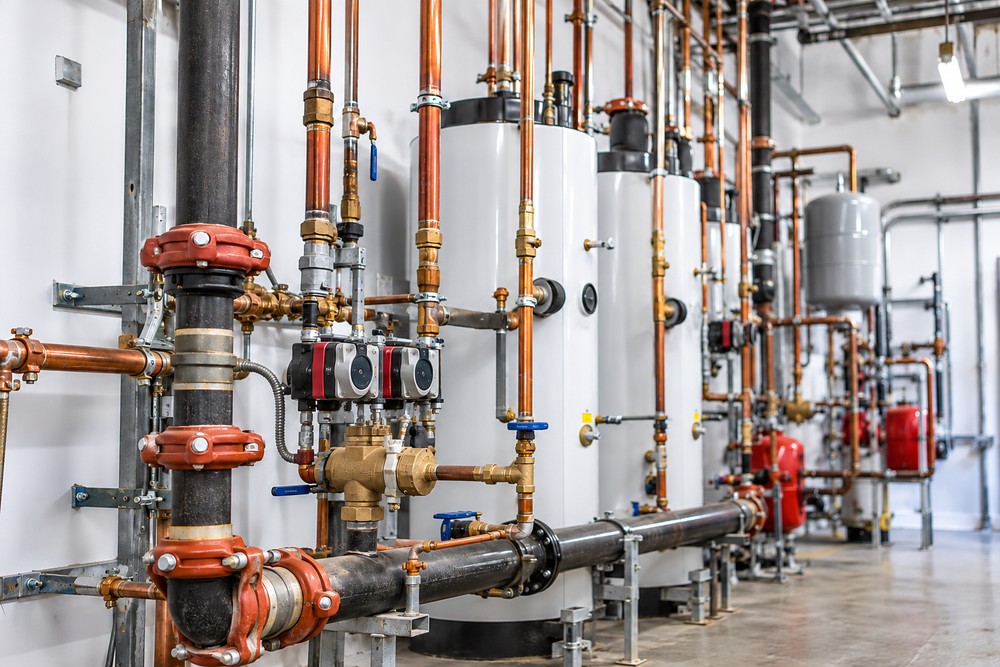
That difference in scale changes everything. Commercial buildings use larger supply lines, more robust water heaters, and multi-story drainage systems that have to move waste down through several floors while keeping sewer gases out. Gravity does a lot of the work in a house. In a commercial building, engineers design the system so that work happens correctly under constant, heavy use.
Commercial systems also run harder. A restaurant’s dish station might push hundreds of gallons of hot, greasy water through the drain lines every single night. An apartment building’s water heater takes a beating at 6 a.m. when everyone showers before work. Equipment that would last 20 years in a home might wear out in half that time in a commercial setting.
The Codes Are Different
This is where property owners get into the most trouble. Commercial buildings are held to stricter plumbing codes than homes, and those codes exist for good reasons.
Take backflow prevention. Most commercial properties are required to have backflow prevention devices installed and tested on a regular schedule. These devices keep contaminated water from flowing backward into the public water supply. If a device fails a test or the testing lapses, the property owner can face fines, and in some cases the water utility will shut off service until the problem is corrected.
Restaurants face another layer of requirements. Grease traps, floor drains, and specific hot water temperatures for sanitizing are all written into health codes. A plumber who mostly works on houses may not know these requirements well enough to keep a commercial kitchen compliant.
Then there’s the permitting side. Commercial plumbing work usually requires permits and inspections, and the paperwork is more involved than a residential job. An experienced commercial plumber knows what the local authority having jurisdiction expects and can handle the process without stalling your project.
The Stakes Are Higher
If a pipe bursts in a house, the homeowner deals with a mess, an insurance claim, and some inconvenience. If a pipe bursts in a commercial building, the consequences stack up fast.
A water leak above a retail space can damage inventory, close the business, and trigger a dispute with the tenant’s lease. A failed drain line in an office building can make the space legally unusable until it’s repaired. Every hour a business stays closed is revenue lost, and in many commercial leases, the property owner is the one who eats that cost.
This is why response time matters so much more in commercial work. A good commercial plumber understands that a 4 p.m. call on a Friday is not something that can wait until Monday. They plan for it, and they staff for it.
The Skills Don’t Fully Overlap
Plenty of excellent residential plumbers do solid, careful work on homes. That doesn’t automatically qualify them for commercial jobs.
Commercial work requires experience with things like:
- Large-diameter pipe fitting and industrial-grade fixtures
- Commercial water heaters, including high-recovery and tankless systems
- Multi-story venting and drainage design
- Grease traps and commercial kitchen systems
- Backflow prevention devices and testing
- Working around other trades on active job sites
There’s also a scheduling and coordination skill that only comes with commercial experience. Commercial repairs often happen around a business’s operating hours, in occupied buildings, with tenants and customers nearby. A plumber who is used to working in an empty house may not be prepared to cut into a wall next to a busy office lobby.
How to Vet a Plumber for Commercial Work
Before you hire anyone, ask a few direct questions.
Have you done work on buildings like mine? A plumber who has serviced restaurants knows grease traps. One who has worked on office buildings knows the common failure points in multi-story systems. Ask for examples.
Are you licensed and insured for commercial work? Verify the license, and ask for a certificate of insurance. Commercial properties often require higher liability coverage than a residential job calls for. If a plumber hesitates to provide proof, move on.
Do you handle permits and inspections? If the answer is vague, that’s a red flag. Commercial work that skips the permit process can create serious problems when you sell the property, renovate, or file an insurance claim.
What’s your emergency response process? Ask who answers the phone after hours and how quickly they can have someone on site. You want a specific answer, not a promise that “someone will get back to you.”
Can you provide references from other property owners or managers? Commercial clients tend to be repeat customers. A plumber who does good commercial work will have no trouble naming a few.
The Bottom Line
Residential and commercial plumbers both fix pipes, but the similarity mostly ends there. Commercial plumbing involves larger systems, stricter codes, higher stakes, and a different set of skills built through years of commercial jobs, not house calls.
If you own or manage a commercial property, take the time to find a plumber with real commercial experience before an emergency forces you into a rushed decision. The best time to build that relationship is when nothing is leaking. Walk the property with them, ask them to flag aging equipment, and get a sense of how they communicate. Then, when something does go wrong at the worst possible moment, you already know exactly who to call.