Getting your license feels like freedom with cupholders, but the language around car care can get confusing fast. One mechanic says your serpentine belt looks tired, another mentions tread depth, and suddenly you’re nodding like you totally knew that already. If you’re new to driving, learning a few key maintenance terms can save you money, help you ask smarter questions, and make your car a lot less mysterious.
Why car maintenance language matters more than you think
If you don’t understand the terms people use around your car, it’s easy to feel boxed out of the conversation. That can lead to bad decisions, delayed repairs, or paying for work you didn’t really need.
Knowing the basics helps you do a few important things:
– Understand what your vehicle needs
– Catch small problems before they get expensive
– Talk to mechanics without feeling lost
– Read your owner’s manual with less confusion
– Shop for services with more confidence
You don’t need to become an amateur engineer. You just need enough vocabulary to connect the dots. Think of it as learning the difference between a headache and a broken arm. Both are problems, but one needs a very different response.
To know more, visit https://vioc.com/resources/new-driver-glossary-car-maintenance-terms, which breaks down many of the words new drivers hear all the time.
Oil Changes, Viscosity, and Why Your Engine Cares
You’ve probably heard that oil changes matter. They do, but the terms surrounding motor oil can sound unnecessarily complicated for something so routine.
Motor oil lubricates moving engine components, reducing friction and preventing excessive wear. Over time, oil collects contaminants and gradually loses its effectiveness. An oil change replaces the old oil with fresh lubricant and usually includes replacing the oil filter.
Here are some important terms to understand:
- Viscosity: Describes how easily oil flows at different temperatures.
- Synthetic oil: Engine oil made using chemically engineered base oils to provide consistent performance.
- Oil filter: Removes dirt, debris, and other contaminants from circulating engine oil.
- Dipstick: A tool used to check the engine’s oil level.
If your owner’s manual recommends 5W-30 oil, those numbers describe its viscosity characteristics at different temperatures. Using an unsuitable oil grade can affect lubrication, engine performance, and long-term wear.
Check your oil level regularly, particularly before long journeys or when driving an older vehicle. Follow the manufacturer’s recommended oil specifications and replacement intervals.
Tire Terms That Affect Everyday Driving Safety
Your tires handle everything from hot pavement and potholes to wet roads and sudden turns. Understanding a few basic tire terms can help you recognize potential problems before they compromise your safety.
Start with these important terms:
- Tread: The patterned rubber surface that provides traction against the road.
- Tire pressure: The amount of air pressure inside a tire.
- PSI: Pounds per square inch, the standard measurement used for tire pressure.
- Wheel alignment: The adjustment of wheel angles to maintain proper handling and tire contact.
- Tire rotation: Moving tires between designated positions to promote more even wear.
Worn tread reduces traction, particularly on wet roads. Incorrect tire pressure can affect fuel efficiency, steering response, braking, and tire lifespan.
Poor wheel alignment may cause your vehicle to pull toward one side or produce uneven tire wear.
You can usually find the manufacturer’s recommended tire pressure on a sticker inside the driver’s door or in the owner’s manual. The pressure printed on the tire’s sidewall generally indicates its maximum permitted inflation pressure, not the recommended everyday setting.
Check tire pressure at least once a month and inspect tread condition before long journeys.
Brakes, Brake Pads, and Warning Signs You Should Never Ignore
Your braking system is one of the most important safety features in your vehicle. Understanding how its components work can help you recognize problems before they become dangerous.
Here are the essential terms:
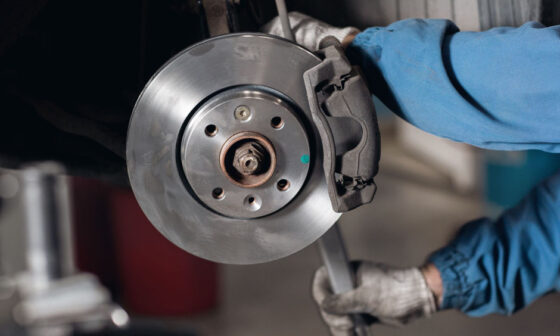
- Brake pads: Friction components that press against brake rotors to slow the vehicle.
- Brake rotor: A metal disc that rotates with the wheel and provides a braking surface.
- Brake fluid: Hydraulic fluid that transfers force from the brake pedal to the braking components.
- ABS: An anti-lock braking system that helps prevent wheel lockup during hard braking.
Squealing noises may indicate worn brake pads, although some sounds can have other causes. Grinding noises can suggest severe wear or metal-to-metal contact.
A soft or spongy brake pedal may indicate air in the hydraulic system, fluid leaks, or other braking problems.
Vibrations during braking can sometimes result from uneven rotor surfaces or other mechanical issues.
If your brakes make unusual noises, feel different, or respond poorly, arrange a professional inspection promptly. Delaying brake repairs can increase costs and compromise your safety.
Battery, Alternator, and Starting System Basics
When your vehicle refuses to start, the battery is often the first component people suspect. However, several parts work together to start the engine and maintain electrical power.
The battery supplies electrical energy for starting the engine and powering certain systems when the engine isn’t running.
The alternator generates electricity while the engine operates, helping recharge the battery and supply power to electrical components.
The starter motor uses electrical power to turn the engine until combustion begins.
Other useful terms include:
- Corrosion: A buildup of deposits on battery terminals that can interfere with electrical connections.
- Jump-start: Using an external power source to help start a vehicle with an insufficiently charged battery.
- Battery terminal: The connection point between the battery and its cables.
- Charging system: The components responsible for generating and regulating electrical power.
Repeated clicking when starting may indicate a weak battery, poor connections, or a starter problem.
If the battery warning light appears while driving, the charging system may require attention.
Extreme temperatures can also affect battery performance. Have an aging battery tested periodically, especially before seasonal weather changes.
Fluids, Filters, and the Systems That Keep Your Car Running
Several important vehicle components operate quietly in the background. They rarely attract attention until something goes wrong.
Understanding their maintenance requirements can help you avoid preventable mechanical problems.
Important automotive fluids include:
- Coolant: Helps regulate engine temperature and protects the cooling system.
- Transmission fluid: Lubricates and supports the operation of transmission components.
- Brake fluid: Transfers hydraulic pressure throughout the braking system.
- Power steering fluid: Supports hydraulic steering assistance in vehicles equipped with that system.
- Windshield washer fluid: Helps remove dirt and debris from the windshield.
Filters also play an important role in maintaining vehicle performance.
Common automotive filters include:
- Engine air filter: Prevents dust and debris from entering the engine’s air intake.
- Cabin air filter: Traps airborne particles entering the passenger compartment through the ventilation system.
- Oil filter: Removes contaminants from circulating engine oil.
Low coolant levels can contribute to overheating, while a severely restricted engine air filter may affect performance.
A clogged cabin air filter can reduce airflow through the ventilation system and affect interior air quality.
Your owner’s manual provides recommended maintenance intervals and fluid specifications. Following these recommendations helps keep essential systems operating correctly.