Operational failure often begins in overlooked patterns, scattered decision-making, and a tendency to prioritize immediate fixes over long-term structure. Teams often fall into cycles where each issue is handled in isolation, without stepping back to understand how those issues are connected. As such, this creates a system that feels functional on the surface but lacks depth underneath. Processes become inconsistent, expectations vary across departments, and leadership spends valuable time resolving situations that could have been anticipated with better planning.
A forward-looking operational strategy changes how organizations approach their internal systems. Instead of waiting for disruption to expose weaknesses, leadership begins to examine how workflows perform under pressure, how compliance fits into daily activity, and how decisions made today influence stability tomorrow.
Building Resilience into Daily Operations
Resilience in operations starts with how systems are designed and how expectations are communicated across teams. Many organizations treat compliance requirements, such as CMMC (Cybersecurity Maturity Model Certification), as separate from daily work, which creates a disconnect between what teams do and what regulations demand. This separation becomes visible during audits, where documentation gaps, inconsistent processes, and unclear responsibilities surface all at once. Integrating these requirements into routine workflows removes that friction, allowing employees to follow processes that already align with regulatory expectations.
A well-structured environment opens the door for meaningful collaboration with a CMMC consultant, who can guide organizations in refining their systems without forcing disruptive changes. Instead of approaching compliance as a last-minute exercise, teams operate within a framework that supports both security and efficiency from the start. Employees understand their role within that structure, and leadership gains confidence that operational practices remain aligned with external requirements.
Managing Workload Before Pressure Builds
Unbalanced workloads rarely appear without warning. Patterns exist in project cycles, seasonal demand, and internal capacity, yet they often go unaddressed until pressure begins to affect performance. Without structured capacity planning, employees are left to absorb sudden increases in responsibility, which creates tension across teams. Work becomes rushed, communication loses precision, and output quality begins to suffer. In such environments, time is spent correcting errors instead of advancing meaningful work.
A deliberate approach to capacity planning allows leadership to distribute tasks with greater awareness of available resources and realistic timelines. Each department operates with a clearer understanding of expectations, which supports consistency across projects. Teams can maintain focus without being pulled into reactive modes of working, where urgency dictates every decision.
Seeing Risks Before They Escalate
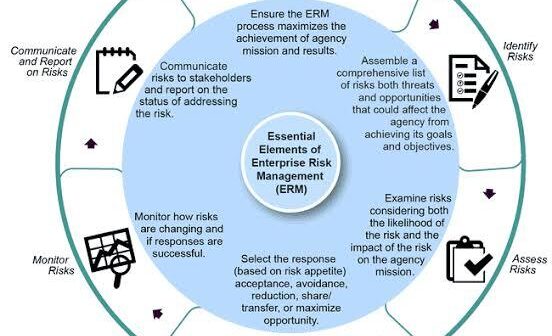
Hidden risks often exist within everyday operations, developing until they demand attention. Signals can be found in performance metrics or employee feedback, yet they’re frequently overlooked in fast-moving environments. Without a structured method for identifying and evaluating these signals, leadership is left responding to issues that have already taken shape. Decisions made under such conditions tend to prioritize speed over accuracy, which can introduce further complications.
A proactive approach to risk mapping brings visibility into areas that might otherwise remain unnoticed. It encourages organizations to examine dependencies, system vulnerabilities, and potential points of failure with intention. Leadership gains the ability to assess different scenarios and prepare responses that align with broader operational goals.
Preparing Systems for Growth
Growth introduces pressure that exposes the limits of existing systems. Increased demand affects infrastructure, data handling, and overall system performance, often revealing weaknesses that were not apparent during earlier stages.
Organizations that expand without preparing for this pressure face interruptions that disrupt operations and strain internal resources. Teams are then pulled into urgent troubleshooting efforts, which diverts attention away from strategic initiatives.
Planning for scalability allows systems to support increased demand without compromising functionality. This involves evaluating current capabilities, identifying potential bottlenecks, and introducing solutions that can handle expansion with confidence. Teams benefit from systems that perform reliably as workloads increase, allowing them to focus on execution rather than constant adjustment.
Fixing Gaps Gradually
Process inefficiencies often exist within daily operations but remain unaddressed because they do not appear urgent. After a while, these inefficiencies accumulate and begin to affect coordination, productivity, and overall performance. Organizations that delay tackling such issues eventually face situations where processes require significant changes, often introduced under pressure.
Overcoming inefficiencies as they appear allows organizations to refine processes in a controlled manner. Adjustments can be introduced step by step, giving teams time to adapt while maintaining continuity in their work. This method supports a more thoughtful evolution of operations, where improvements align with actual needs rather than reacting to breakdowns.
Staying Ahead of Customer Needs Through Forecasting
Customer expectations evolve in ways that are often visible through demand, feedback, and market behavior. Ignoring those signals creates a disconnect between what the business offers and what customers expect, which can damage trust over time. Many organizations respond to demand changes only after service gaps appear, placing teams in a position where they are constantly trying to catch up.
Demand forecasting provides a better way to interpret trends and prepare offerings in advance. It allows organizations to adjust inventory, refine services, and align resources with anticipated needs. Teams operate with a sense of direction because they’re not waiting for demand to overwhelm existing systems.
Preparing Employees Through Continuous Training
Skill gaps rarely appear overnight. Changes in technology, processes, and industry expectations gradually reshape what employees need to perform effectively. Organizations that delay training until gaps become visible place their teams under pressure to adapt quickly, often without adequate support. This approach affects confidence, productivity, and the overall quality of work.
Investing in training as part of ongoing operations allows employees to develop capabilities in a more structured way. Learning becomes part of the workflow rather than an emergency response to new demands. Teams remain prepared for evolving responsibilities, and leadership gains confidence in their ability to handle change without disruption.
Encouraging a Culture That Thinks Ahead
Environments that reward quick fixes often overlook the value of foresight, leading employees to focus on immediate outcomes instead of long-term stability. And so, this creates a pattern where issues are tackled repeatedly without focusing on their root causes.
A culture centered on forward thinking encourages employees to pay attention to patterns, question inefficiencies, and raise concerns before they escalate. Leadership plays a key role in reinforcing this mindset through decision-making and communication. Teams begin to operate with greater awareness, where anticipation becomes part of daily work rather than an occasional effort.
Preparing for Supply Chain Disruptions Before They Happen
Supply chain challenges often emerge from factors outside direct control, such as vendor limitations or market fluctuations. Organizations that rely on a single sourcing path or lack visibility into their supply chain face greater vulnerability when disruptions occur. Reactive responses in such situations tend to involve rushed sourcing decisions and higher costs.
Anticipating potential disruptions allows businesses to establish alternative sourcing options and maintain stronger relationships with multiple vendors. This preparation provides flexibility, allowing operations to continue even when one channel faces difficulty.
Proactive planning brings discipline into how organizations operate, allowing teams to move with intention rather than urgency. Each area of preparation strengthens another, creating a system where challenges are anticipated and handled with control.