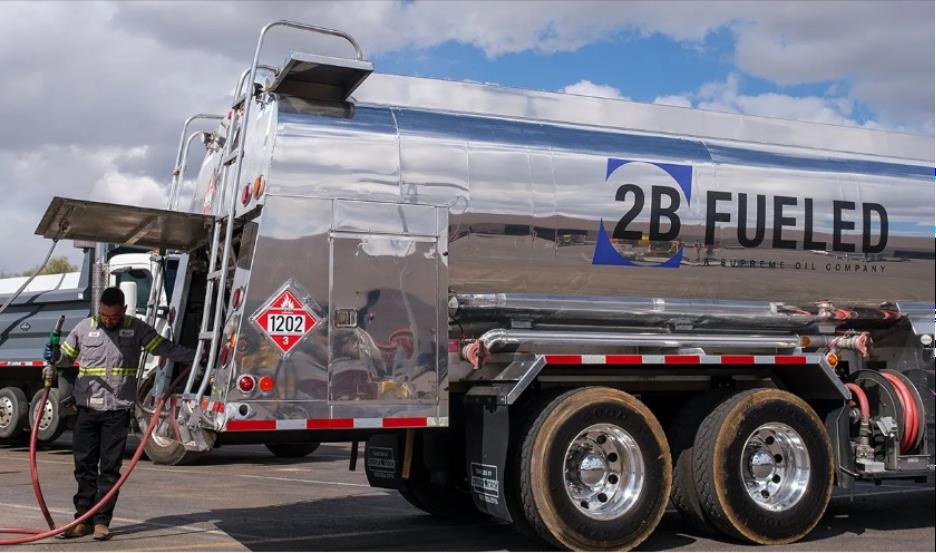
Managing a fleet or operating heavy equipment can be characterized by a single issue that is constantly presenting itself: fuel delays. You schedule work, organize crews, and plan maintenance, only to be stalled when the diesel tanker does not arrive on time. Any hour of idleness is money and strain straight to your project. Moreover, these delays can be exacerbated by unexpected weather, traffic, or last-minute equipment requirements.
The answer lies in structured on-site diesel fuel delivery. You can schedule, liaise with your trusted suppliers, and make a site ready, which will ensure machines run smoothly and projects stay on schedule. An effective fueling schedule will minimize downtime, eliminate procrastination situations, and enable the crews to be dedicated to their duties instead of spending time searching for fuel. Effective processes also secure the quality of fuel while ensuring smooth operations of the fleet.
This article outlines the process of planning, scheduling, and implementing efficient on-site diesel fuel delivery.
1. Assess Fuel Needs
The initial procedure in on site diesel fuel delivery is to know precisely what you need. Excessive or insufficient ordering will lead to unjustified expenses and working burdens.
Review historical fuel consumption across multiple weeks or months. Equipment uses fuel differently depending on workload, weather, or operational conditions. Accounting for these variations ensures your forecast matches reality. Studies show accurate consumption tracking improves scheduling efficiency in industrial fleets.
Make adjustments based on anticipated changes. For example, future stages of the project, temporary additions, or long shifts all influence fuel demand as well. Proper evaluation, therefore, averts last-minute deficits and ensures that processes are not affected.
2. Select Storage Solutions
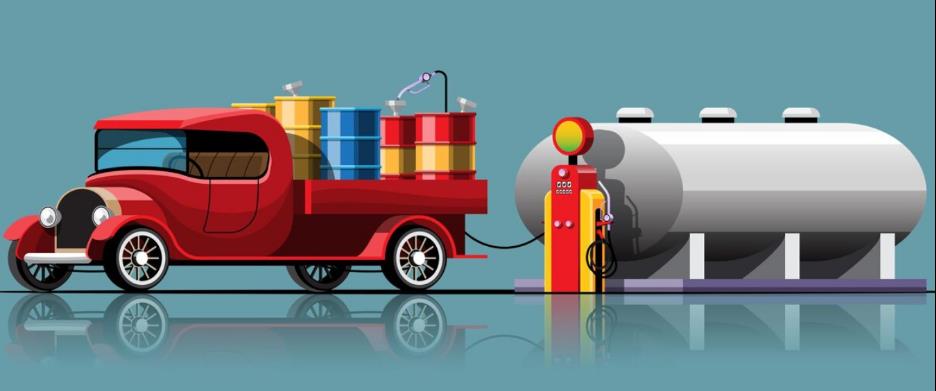
The selection of the appropriate storage system directly influences the level of efficiency and safety. In particular, the size of the tank, along with its location and accessibility, determines the ease with which deliveries occur.
Match tank capacity to your consumption patterns. Tanks that are too small require frequent deliveries, while oversized tanks risk fuel degradation and contamination. Microbial growth in stored diesel can occur within weeks if water accumulates, impacting engine performance.
Position tanks for easy access. Delivery trucks need clear paths and stable ground. Properly placed tanks reduce delays and enhance safety during every fueling operation.
3. Prepare Site Before Delivery
Delays and risks are avoided with proper preparation. Moreover, an organized site ensures that fuel trucks can operate effectively and do not interrupt current duties. Proper preparation will also minimize any form of confusion for drivers, especially when they arrive at a site that is busy or still active with ongoing work.
Mark exact delivery points with cones or signage and clear surrounding obstacles. A clean and accessible path allows drivers to refuel tanks without confusion or bottlenecks. This step helps avoid unnecessary repositioning of vehicles during delivery.
Check safety equipment in advance. Fire extinguishers, spill kits, and grounding wires should be ready. Proper planning aligns with safety regulations and minimizes environmental risk. Regular inspections ensure all equipment remains functional when needed.
4. Coordinate Supplier Schedules

Diesel fuel delivery on the ground requires suppliers who are reliable. In fact, delays in projects and emergency deliveries are common phenomena that occur when waiting until fuel runs low. Additionally, emergency orders may also increase delivery fees and reduce the supplier’s capacity to meet demand.
Partner with suppliers offering dedicated scheduling, tracking updates, and confirmed delivery windows. This reduces surprises and ensures fuel arrives on time. Consistent communication helps build trust and improve long-term service reliability.
Consider routine deliveries based on consistent usage. Fixed schedules allow drivers to plan routes efficiently and reduce administrative follow-up. Clear communication with logistics contacts maintains alignment when adjustments are necessary.
5. Track Delivery and Fuel Quality
Monitoring the delivery and fuel also ensures smooth operation and protects the equipment. Moreover, the ability to know the precise time of fuel delivery, along with its quality, helps minimize risk.
Delivery requests should include both quantities and timing. This record, in turn, assists in reconciling the fuel inventory and highlights discrepancies as soon as they occur. Furthermore, visual inspections for contamination and water are simple yet effective. In addition, frequent testing helps ensure that engines receive clean fuel, which in turn prevents costly repairs or downtime.
Maintain logs of every delivery. Tracking supplier performance, fuel condition, and offload times allows you to optimize future orders and anticipate potential issues.
6. Train Staff on Fuel Handling
Efficient operations rely on trained personnel. Crew members should understand proper fuel handling, safety protocols, and contamination risks. They don’t replace drivers but help avoid mistakes that cost time and money.
Train staff on secure fuel transfer. Properly connecting hoses, preventing drips, and grounding equipment reduces spills and downtime. Small errors at this stage can escalate into significant delays.
Educate teams on spotting fuel contamination. Cloudy diesel, unusual odors, or water layers signal problems. Quick detection protects engines, reduces maintenance, and keeps projects on schedule.
7. Maintain Records and Optimize Schedule
Keeping accurate records is essential. Every delivery, fuel quantity, and issue should be documented for future planning.
Digital logs or software consolidating invoices, delivery tickets, and usage reports reveal trends. Patterns like repeated delays or seasonal consumption spikes can inform adjustments.
Regularly review and refine your schedule. Align fuel orders with real-world consumption, seasonal shifts, and operational changes. Continuous optimization transforms fuel delivery from a reactive task into a proactive, efficient system.
Conclusion
Efficient on‑site diesel fuel delivery combines accurate assessment, proper storage, and supplier coordination. Preparing the site in advance and tracking fuel quality ensures smooth operations and reduces downtime. Maintaining clear records allows for ongoing optimization.
Start by evaluating your fuel needs and checking storage solutions. Establish reliable supplier schedules and track deliveries carefully. Implement these steps consistently to minimize interruptions, protect equipment, and maintain steady project progress.