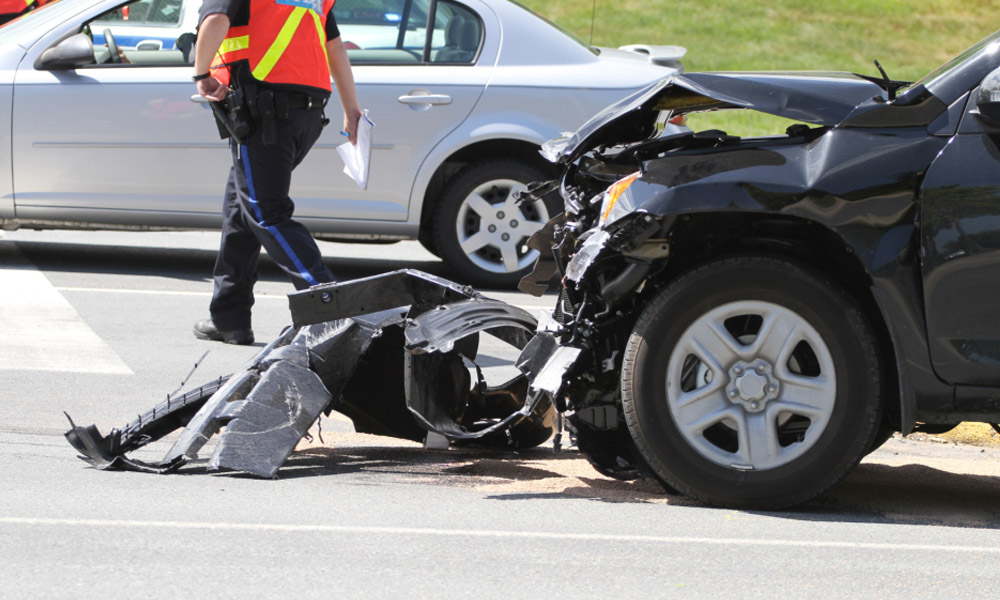
Most drivers know they need car insurance, but few truly understand how their state’s insurance system actually works until they need to use it. Utah operates under a no-fault framework that affects nearly every aspect of how recovery unfolds after a collision, often in ways that surprise drivers experiencing the system for the first time.
The Basics of How No-Fault Coverage Works
The phrase no-fault insurance can be misleading because it suggests fault does not matter. In reality, fault still plays a critical role in many situations, but the no-fault system changes the initial path that medical bills and certain expenses follow after a crash.
Personal Injury Protection as the Starting Point
Under the no-fault system, every driver’s own insurance policy must include Personal Injury Protection coverage, often abbreviated as PIP. After a collision, this coverage pays for the policyholder’s medical expenses and certain other losses regardless of who caused the crash. The injured party turns first to their own policy rather than waiting for fault determinations or fighting with the other driver’s insurer over coverage. This approach speeds up medical bill payments and reduces immediate financial strain during recovery.
The Coverage Limits That Apply
State law sets minimum PIP coverage that every policy must include, typically a few thousand dollars for medical expenses, with additional amounts for lost wages and other specific losses. Drivers can purchase higher limits, and many financial advisors recommend doing so given how quickly medical bills accumulate after even a moderate crash. Understanding the limits on your own policy before a crash occurs helps you know what to expect if you ever need to use the coverage.
What PIP Covers and What It Does Not
PIP typically covers reasonable medical expenses, a portion of lost wages, replacement services such as childcare or housekeeping you cannot perform due to injuries, and funeral expenses in fatal cases. It does not cover vehicle damage, pain and suffering, or losses that exceed the policy limits. These gaps in coverage create important reasons why drivers often need to look beyond PIP to fully recover after a serious collision.
When You Can Step Outside the No-Fault System
The no-fault system handles routine claims efficiently, but it intentionally limits the ability of injured parties to pursue full damages from at-fault drivers in minor cases. Specific conditions must be met before injured people can move beyond PIP and pursue a traditional claim against the responsible driver.
Meeting the Threshold for a Liability Claim
State law establishes specific thresholds that must be crossed before an injured person can sue the at-fault driver for additional damages beyond what PIP covers. These thresholds typically include reaching a specified dollar amount in medical bills, suffering certain types of serious injuries, or experiencing permanent impairment. The exact thresholds matter enormously, since they determine whether an injured party can pursue compensation for pain and suffering or remains limited to what PIP provides.
What Claims Outside the System Can Include
When the threshold is met, injured parties can pursue damages that PIP does not cover. These include pain and suffering, full lost wages beyond what PIP paid, loss of enjoyment of life, future medical expenses, and other losses that PIP simply does not address. These additional damages often dwarf the PIP benefits in serious cases, which is why understanding when you can step outside the no-fault framework matters so much for full recovery.
Why Documentation Becomes Critical
Crossing the threshold requires evidence, and that evidence must be collected from the earliest moments after the crash. Medical bills, treatment records, expert opinions about permanent impairment, and detailed documentation of how injuries affect daily life all play roles in establishing that the threshold has been crossed. Working with a Provo car accident attorney early in the process helps injured drivers build the documentation that opens the door to full recovery rather than getting stuck within the limits of PIP coverage alone.
How Fault Still Matters in the No-Fault System
Despite the name, fault remains an essential part of how cases ultimately resolve. The no-fault system streamlines initial medical payments but does not eliminate the underlying questions about who caused the crash.
Comparative Fault Principles
Utah uses a modified comparative fault system that affects how damages get calculated in cases that move beyond PIP. Injured parties can recover damages only if they are found to be less than fifty percent responsible for the crash. If they bear some responsibility but remain below this threshold, their recovery is reduced by their percentage of fault. These rules can dramatically affect the final amount someone receives, making the determination of fault a central focus in serious cases.
How Insurance Companies Investigate Fault
Insurance adjusters conduct their own investigations to assess fault, gathering police reports, witness statements, photographs, and sometimes consulting reconstruction experts. Their findings shape the offers they make and the positions they take in negotiations. Drivers who believe they were clearly not at fault are sometimes surprised to find adjusters assigning significant blame to them, particularly when subtle factors such as speed, lane position, or following distance come into play.
Pushing Back Against Unfair Fault Determinations
Disputing an insurance company’s fault analysis requires evidence and persistence. Witness statements gathered at the scene, photographs documenting road conditions and damage, medical records connecting injuries to specific impact mechanics, and sometimes formal reconstruction analyses all contribute to building a stronger fault narrative. Injured drivers who accept initial fault determinations without pushing back often leave significant compensation on the table.
Practical Steps for Protecting Yourself
The no-fault system places significant responsibility on drivers to act quickly and correctly after a crash. Knowing what to do in the days and weeks following a collision protects your rights within the system.
Notify Your Insurance Company Promptly
PIP benefits typically require prompt notification to your own insurance company. Delays in reporting can complicate claims and sometimes lead to denial of benefits, even when the crash was clearly covered. Reporting quickly while remaining careful about the specific details you share at this early stage protects both your benefits and your future legal options.
Seek Medical Care Even for Apparent Minor Injuries
The threshold requirements for stepping outside the no-fault system depend heavily on medical documentation. Skipping medical care because you feel fine immediately after a crash often makes it impossible to later prove that injuries developed from the collision rather than some other cause. Early medical evaluation creates the records that protect your rights throughout the entire process that follows.
Keep Detailed Records From the Start
Document every expense, every missed work day, every medical appointment, and every conversation related to the crash. These records become the evidence that supports PIP claims, threshold determinations, and any subsequent liability claims. Organized documentation transforms confusing situations into clear cases that adjusters and juries can readily understand.
Conclusion
The no-fault system in Utah creates a structured but complex framework that shapes every aspect of recovery after a collision, often in ways that catch drivers off guard. Working with experienced legal professionals who understand both the PIP system and the path beyond it helps ensure that you receive every benefit you are entitled to and the full recovery your circumstances require.