Few things frustrate project owners and contractors more than a construction project that keeps missing deadlines. A schedule that looked realistic at the start can quickly unravel when unexpected issues begin stacking up. One delayed delivery leads to a missed inspection. A design change creates confusion for subcontractors. A permit takes longer than expected.
Understanding where projects commonly go off track helps construction teams make better choices from the beginning. Avoiding these mistakes can save time, reduce stress, and keep work moving forward.
The Permit Process Gets Overlooked
Permits rarely receive much attention during early project discussions, yet they can become a major source of delays. Many construction teams underestimate how long approval processes can take, especially when projects involve multiple agencies or specialized inspections. Even a small error in an application can trigger requests for revisions and push schedules back by weeks. Delays become even more likely when teams fail to account for local regulations or changing requirements. Experienced contractors treat permitting as a critical project phase rather than a simple administrative task. They communicate with local authorities early, track approval timelines closely, and submit complete documentation from the start.
Job Site Layout Gets Treated as an Afterthought
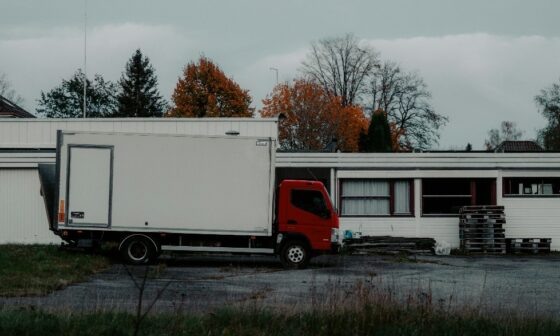
A poor site layout can slow down a project every single day. Crews lose time when materials sit too far from the work area, equipment blocks access routes, or delivery trucks have no clear place to unload. These problems may seem small at first, but they affect productivity across multiple trades. A good layout plan should show where materials, tools, waste bins, parking, temporary offices, and access paths belong before work begins. Contractors can reduce wasted movement by keeping high-use items close to active work areas. For larger projects, finding a shipping container for rent can help keep tools and materials secure, organized, and easy to reach.
Small Communication Gaps Become Big Problems
Construction projects involve many moving parts. Owners, architects, engineers, suppliers, subcontractors, and project managers all play important roles. When communication breaks down between any of these groups, delays often follow. Something as simple as an outdated drawing or an unshared schedule update can create confusion across multiple teams. Crews may arrive expecting materials that have not been delivered. Subcontractors may schedule work based on inaccurate information. These issues waste time and create frustration throughout the project. Strong communication requires more than occasional meetings. Successful projects establish clear reporting systems, regular updates, and defined points of contact. Everyone should know where to find the latest project information. Consistent communication helps teams solve problems quickly before they affect the schedule.
Material Delays Hurt Productivity
Material planning affects much more than delivery dates. When crews arrive on site and discover that critical materials have not been delivered, productivity drops immediately. Workers may spend time waiting for instructions, switching to less urgent tasks, or leaving the site altogether until materials arrive. These interruptions make it difficult to maintain momentum and often create scheduling conflicts with other trades. Long lead-time items such as electrical equipment, windows, roofing materials, and structural components require early planning because delays can affect multiple phases of construction. Experienced project managers identify these materials during preconstruction and place orders well in advance. They also stay in regular contact with suppliers to track availability and delivery schedules. Strong material planning keeps crews productive, supports efficiency and helps projects move forward without unnecessary downtime.
Choosing Subcontractors Based on Price Alone
Every project operates within budget constraints, but selecting subcontractors solely because they submitted the lowest bid can create significant problems. A low price does not always reflect reliability, workforce availability, or project experience. Contractors who are stretched too thin may struggle to meet deadlines. Others may lack experience with similar projects and require additional oversight. Delays often begin when subcontractors fail to provide enough workers, miss scheduled milestones, or produce work that requires corrections. The resulting setbacks affect every trade scheduled after them. A thorough evaluation process helps reduce these risks. Project managers should review previous work, check references, verify staffing capacity, and assess communication practices before awarding contracts. Dependable subcontractors contribute far more to project success than a lower initial price.
Crew Availability Is Assumed Too Early
A project can have approved plans, signed contracts, and materials ready to go, yet still fall behind because the right workers are unavailable. Labor planning needs more attention than many teams give it. Subcontractors often balance several jobs at once, and a delay on one project can affect their schedule on another. Project managers should confirm crew availability before setting key dates, especially for specialized trades such as electrical, plumbing, HVAC, concrete, and framing. They should also ask how many workers will be assigned, who will supervise them, and whether the subcontractor has backup support if someone drops out. Clear labor planning helps prevent quiet gaps where work should be happening but no crew shows up.
Risk Planning Starts Too Late
Some teams only talk about risk after something goes wrong. That approach creates stress and leaves fewer options. Good risk planning starts before construction begins and continues throughout the project. The team should identify issues that could affect the schedule, such as weather, hard-to-source materials, inspection delays, utility conflicts, equipment breakdowns, or limited site access. Each risk needs a practical response plan. For example, if a key material has a long lead time, the team can approve it early or find an alternate supplier. If the weather may affect exterior work, the schedule should account for that possibility. Planning for risk does not remove every problem, but it helps teams respond faster when issues appear.
Construction projects usually fall behind because of preventable mistakes that build on each other. Weak planning, late material orders, poor communication, unreliable labor, slow decisions, and messy job site coordination can all push a schedule off track. The best project teams do not wait for delays to appear before taking action. They ask better questions early, confirm details before work begins, and keep checking the schedule as conditions change. Staying on time requires steady management, clear communication, and practical planning from start to finish. When teams handle these basics well, they reduce confusion, protect the budget, and give every phase of the project a better chance of moving forward as planned.