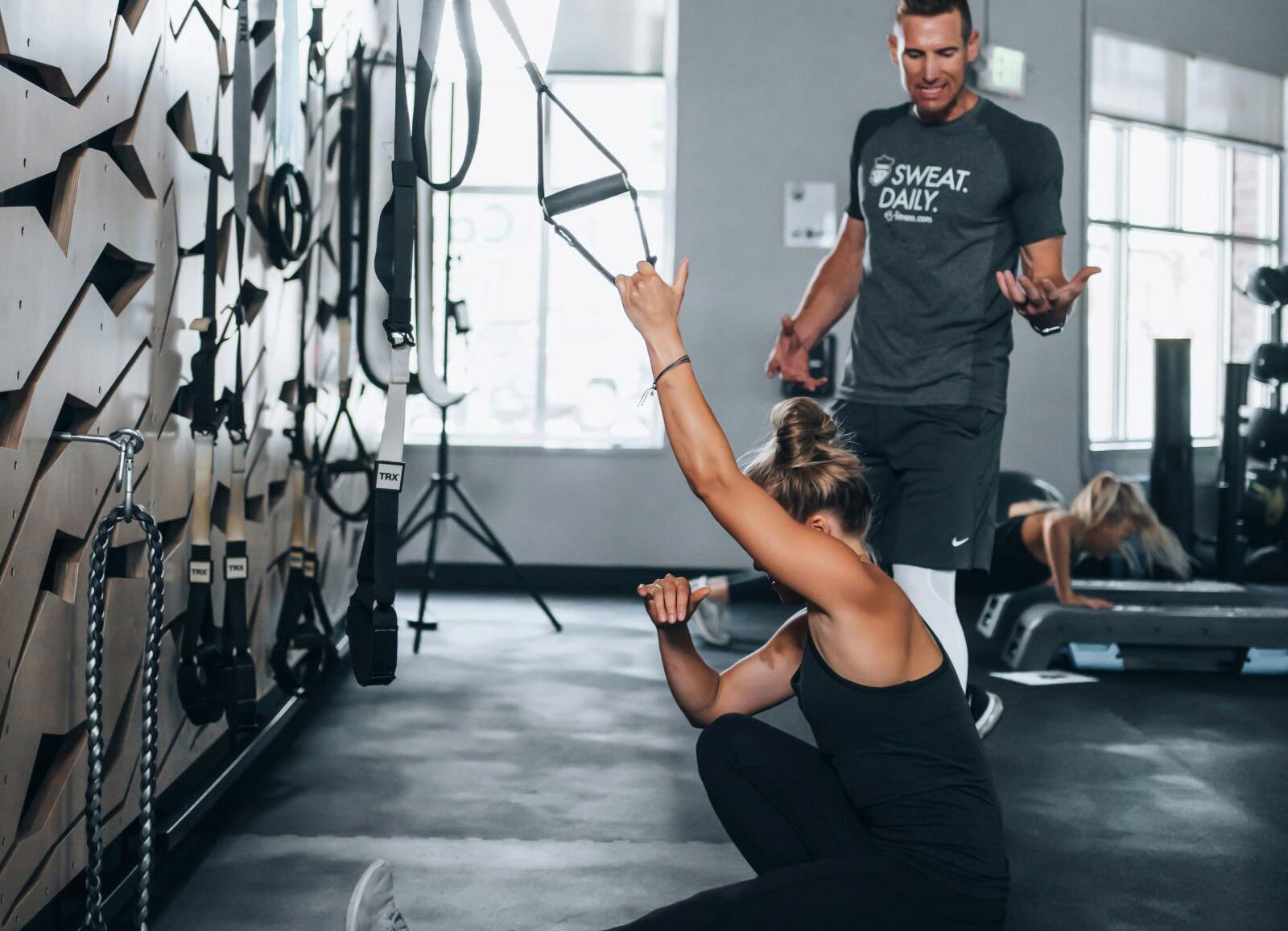
A fitness instructor helps people improve their strength, cardio, and flexibility through structured training. Each program is adjusted based on individual goals and fitness levels. The focus is on safe movement and steady progress over time.
Good guidance makes workouts easier to follow and more effective. A balance between different types of exercise is important for overall health. This guide shows the key areas every fitness instructor uses in training.
Read on to understand how these methods work together in a simple and practical way.
Strength Training Foundations for a Fitness Instructor
Strength training builds muscle and improves overall body control. A fitness instructor teaches proper form to avoid injury. Light weights can be used before progressing to heavier loads. Consistency is more important than lifting heavy too soon.
Rest between sessions helps muscles recover and grow. Good structure keeps clients motivated and safe. Progress tracking helps show real improvement over time. It also builds confidence as strength increases gradually.
Building Safe and Effective Cardio Sessions
Cardio training improves heart health and endurance. A fitness instructor selects exercises based on fitness levels. Walking, cycling, and light running are common choices. Intensity should increase gradually over time.
Proper pacing prevents burnout and injury. Regular cardio supports long-term energy and stamina. Heart rate monitoring can help guide intensity levels. It also ensures workouts stay within safe limits.
Flexibility and Mobility for Daily Movement
Flexibility helps the body move with ease. A fitness instructor includes stretching in most programs. Mobility work supports joints and reduces stiffness. Simple stretches can be done before and after workouts.
Improved flexibility lowers the risk of injury. It also supports better posture and balance. Daily movement becomes smoother with regular practice. This helps reduce tightness from long periods of sitting.
Programming Balanced Workouts for Clients
A balanced program combines strength, cardio, and flexibility. A fitness instructor plans sessions based on clear goals. Rest days are included for proper recovery. Workouts should stay simple and easy to follow.
Progress is tracked to measure improvement. Adjustments are made as fitness levels change. Variety in workouts helps prevent boredom. It also challenges different muscle groups for better results.
Nutrition Awareness in Fitness Coaching
Nutrition supports every fitness goal. A fitness instructor gives basic guidance on healthy eating habits. Balanced meals help improve energy and recovery. Hydration is also important for performance.
Proper learning resources can help build stronger coaching skills, such as those found at fitness certification programs. Good habits lead to better long-term results. Small changes in diet can make a big difference over time. Clients benefit when nutrition and training work together.
Career Growth and Professional Standards for a Fitness Instructor
A fitness instructor grows through practice and continued learning. Skills improve with time and hands-on experience. Professional standards help build trust with clients.
Many instructors take advanced training from sites like https://www.americansportandfitness.com/collections/fitness-certifications to improve their knowledge and credentials. Clear communication is important in every session. Strong discipline and consistency support long term success in this field.
Discover How a Fitness Instructor Can Help One’s Lifestyle
A fitness instructor supports clients in building strength, endurance, and flexibility. Each training area works together to create balanced results. Consistency remains important in every stage of progress. Safe and structured programs help avoid setbacks.
A steady approach leads to lasting fitness improvement. Clear guidance makes it easier for clients to stay committed. Long-term success comes from simple routines done well. Progress becomes sustainable when habits are built correctly.
Should you wish to read more, visit our blog page. We’ve got more!