While emergency response skills are essential during critical situations, ongoing health and wellness practices can also play a key role in recovery and prevention. Treatments such as medical massage can help reduce muscle tension, improve circulation, and support rehabilitation following injuries or periods of physical stress. Incorporating preventive care into your routine can contribute to better overall health and resilience when unexpected challenges arise.
No one can truly predict when a crisis will strike, whether it’s a natural disaster, a medical emergency, or an unexpected accident. In moments like these, knowing how to respond can make a life-or-death difference.
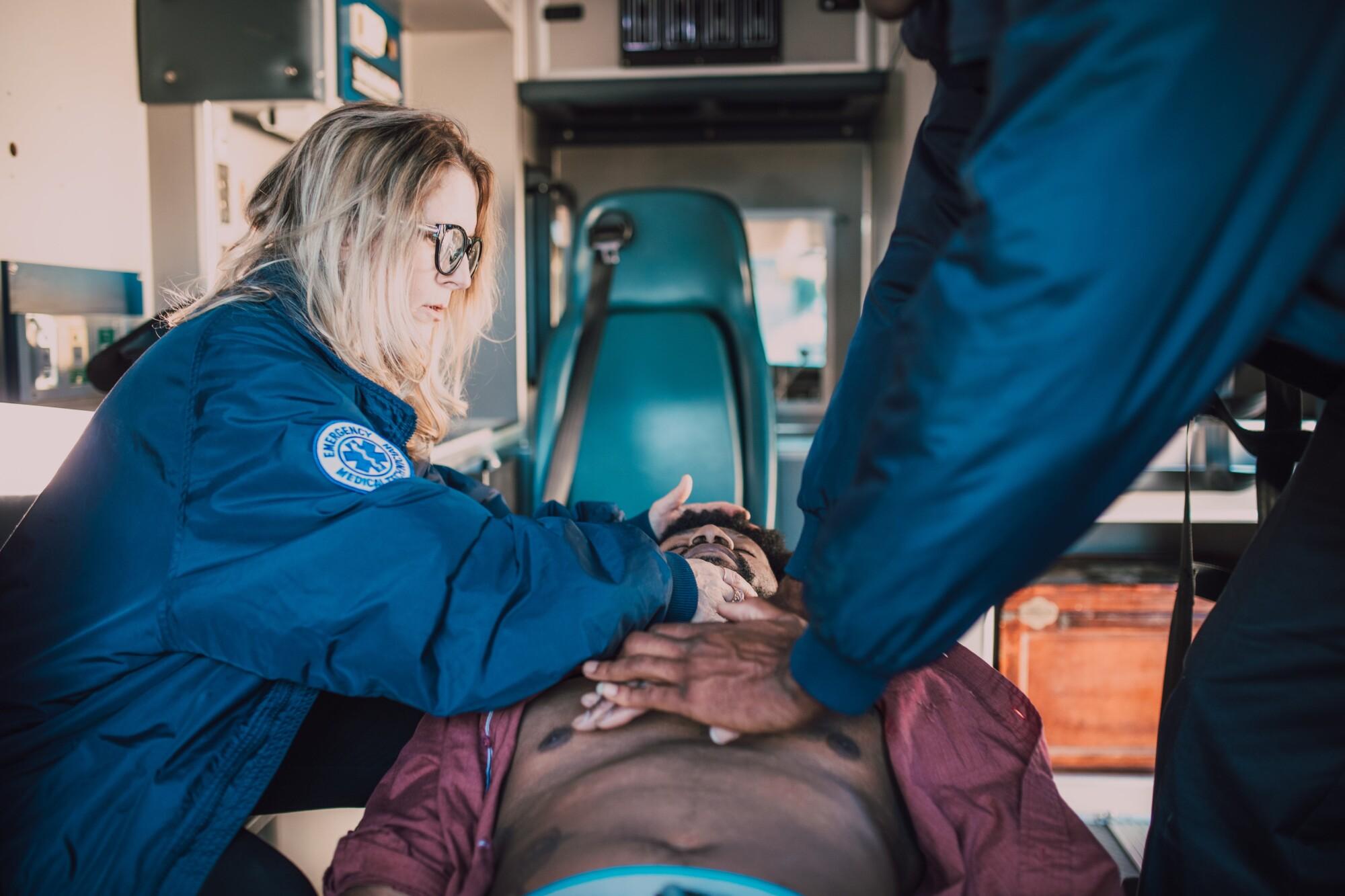
Emergency training, such as first aid or CPR, significantly boosts life-saving readiness. Not only does it equip you with skills, but it also builds your confidence, enabling you to act decisively when someone needs help.
Continue reading to discover everything you need to know!
Why Emergency Training Matters
Emergencies can happen at any time, and they often come without warning. Unfortunately, many people freeze or hesitate when faced with an emergency. By undergoing emergency training, you learn how to react effectively, providing you with valuable skills that could save someone’s life.
Building Confidence in Crisis Situations
One of the biggest advantages of emergency training is the confidence it fosters. When you know what to do, panic transforms into focused action.
During training, participants learn techniques through hands-on practice. This practical approach ensures that when an emergency occurs, the skills feel familiar and instinctive.
Real-World Application
Consider a scenario where someone has a sudden allergic reaction. Knowing how to recognize the symptoms and use an EpiPen could be critical. Emergency training teaches you these life-saving skills.
Understanding the Types of Emergency Training
Emergency training comes in various forms, each tailored to specific situations. Here are some common types:
- CPR Training
- First Aid Training
- Emergency Preparedness Training
How Training Enhances Quick Response Skills
When an emergency happens, every second counts. Training improves your ability to respond quickly and effectively.
Through repetition in practice scenarios, your brain can process information faster, making it easier to remember what to do. Participants often participate in mock emergencies, which help strengthen their critical thinking skills under pressure.
The Importance of Teamwork
Emergencies often involve multiple individuals working together. Training emphasizes the importance of collaboration.
When working as a team, people can assign responsibilities based on individual strengths, leading to a more efficient response. Trusting each other’s abilities can also ease anxiety, further enhancing life-saving readiness.
Encouraging Preparedness in Communities
Emergency training doesn’t just benefit individuals; it fosters a culture of preparedness in communities. Communities with trained individuals can respond more quickly to emergencies, reducing the impact of the crisis. When more people are prepared, the whole community becomes more resilient.
Accessing Emergency Training
The best part about acquiring life-saving skills is that training is widely accessible. Many local organizations offer courses, often tailored for youth and adults, making them suitable for various age groups. For those looking to get started, Cprcertificationnow.com offers a variety of courses to help everyone gain essential skills.
Take Action Today!
Emergency training is not just a valuable skill; it is an essential part of life-saving readiness. By participating in these programs, you build confidence, learn quick response skills, and prepare effectively for emergencies.
Don’t wait for a crisis to come knocking at your door. Take action today by finding a course near you and be someone who can make a difference when it matters most. Remember, life-saving readiness starts with you!
For more helpful tips, check out the rest of our site today.