Ask most people to describe what they remember from school, and something interesting emerges. Alongside the subjects, the formulas and the texts, they mention the conversations, the moments of friction resolved, the friendships tested and the quiet realisations about who they were and how they wanted to operate in the world. These were not scheduled. They were not in any syllabus. Yet they formed some of the most durable lessons those students ever received.
The Curriculum Nobody Writes Down
Every school operates with two curricula running simultaneously. One is written, assessed and reported on. The other is lived, observed and absorbed. The lived curriculum includes how adults in the school treat each other and model disagreement, how students are expected to navigate failure and how the culture around effort shapes what young people come to believe about their own capacity. This unwritten education shapes character in ways that formal lessons rarely can.
How Values Get Transmitted
Values are not taught effectively through direct instruction. Harvard Business Review’s research into organisational culture found that culture is anchored in unspoken behaviours, mindsets and social patterns — and that these shape attitudes more durably than any stated set of principles. A student told to be resilient during assembly and then watches adults in their environment respond to setbacks with panic or blame will absorb the behaviour rather than the message. Schools where the lived curriculum and the stated values align create an environment where character development happens as a natural consequence of daily life rather than as a separate programme bolted on to fill a period.
The Role of How Things Are Done
Much of the between-lessons education lives in how things are handled rather than what is said. How a teacher responds to a struggling student in front of their peers. How conflict between students is navigated by the school community. How achievements are celebrated and how mistakes are framed. These are the teaching moments that most durably shape a young person’s understanding of what is expected of them and what is possible for them.
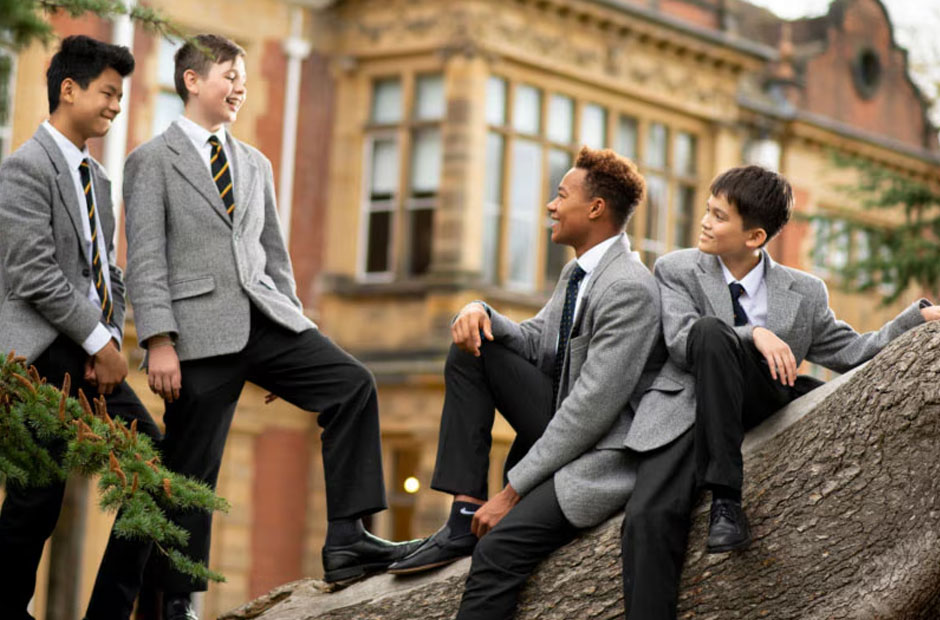
Families considering private schools Melbourne often find themselves drawn to schools where these between-lessons qualities are immediately visible during a visit. The way students carry themselves in common areas, the ease with which they speak with adults they encounter, and the genuine warmth between staff and students are all clear expressions of the hidden curriculum functioning well.
What Students Carry With Them
The graduate who leaves cis.edu.sg school having absorbed a rich unofficial curriculum carries something genuinely portable. They understand how to behave under pressure, how to treat people well even when it is inconvenient and how to hold themselves with integrity when no one is watching. These are not soft skills in any dismissive sense. They are the capacities that determine how far formal qualifications actually take a person.
Choosing the Whole Environment
When families evaluate schools, they rightly look at academic performance. But the education between the lessons deserves equal weight in that evaluation. The environment a child inhabits daily shapes the character they gradually develop. Choosing where that environment is found may be one of the most consequential decisions made on a child’s behalf during their entire formative years.