Outdoor spaces in San Antonio homes deal with conditions that shape how people actually use them. The sun stays strong for most of the year, and sudden rain can change how a yard behaves within minutes. Many projects start with neat sketches that look complete on paper, but the layout often feels different once people begin walking through it, using it, and maintaining it. Paths can feel awkward to navigate, seating areas may sit in the wrong spot, and water may collect where no one expected it. These issues usually come from skipping early planning around real habits and site behavior. A practical design approach focuses on daily movement, weather response, and simple upkeep so the space stays usable without constant adjustments.
Creating Usable Outdoor Zones
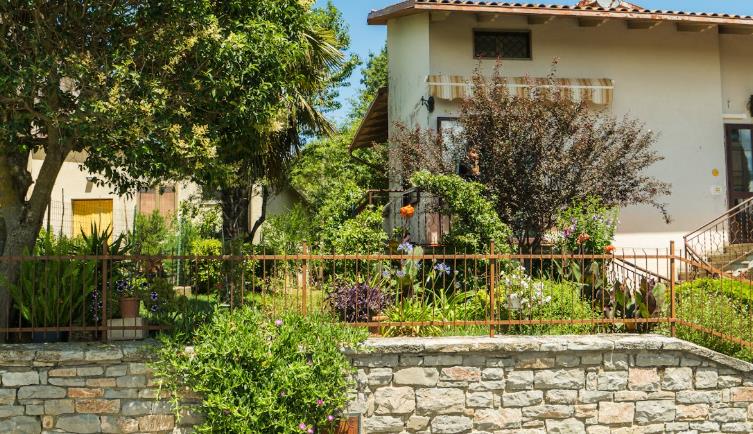
Outdoor spaces work better when they are organized into clear zones that match how people use them. A seating area should feel separate from storage or work areas, while still staying easy to reach. Garden spaces need enough sunlight and space for movement around plants. Open areas should remain flexible so they can handle different activities without feeling crowded. Good zoning depends on spacing and placement rather than strict lines or heavy separation. Movement between zones should feel smooth, without forcing awkward turns or narrow paths. When planning larger properties or uneven land, structural elements like natural stone retaining walls in San Antonio homes often help define levels and create usable flat areas. These elements shape the land in a way that supports both function and long-term stability.
Designing Movement Paths That Feel Natural
Movement plays a bigger role in outdoor design than most people expect. A yard should allow easy travel between key points such as doors, patios, garages, and gardens. When paths feel forced or too narrow, people tend to avoid them and create informal routes that damage the landscape. Good planning looks at where people naturally walk and builds around those paths. Turns should feel smooth, and entry points should connect without confusion. The placement of furniture, plants, or structures should never block the main flow. Even small changes in direction can affect how comfortable a space feels. Clear movement paths also help with maintenance, since tools and equipment can be moved without difficulty. This makes the space easier to live in and manage over time.
Choosing Materials That Hold Up in Real Conditions
Material choice affects how a space performs every day. Surfaces that look good in a showroom may behave differently outdoors, especially under heat and frequent use. In San Antonio, strong sun and changing weather can affect how materials feel underfoot and how much maintenance they need. Some surfaces hold heat longer, making them uncomfortable during the day. Others may become slippery after rain or require constant cleaning. Durability also matters when furniture, foot traffic, and garden tools are part of the space. Selecting materials should focus on how they perform in real conditions rather than appearance alone. Stone, concrete, and gravel each serve different purposes depending on the layout. When chosen carefully, materials support long-term use without frequent repairs or replacements.
Structural Decisions That Shape Long-Term Stability
Strong outdoor spaces depend on what sits beneath the surface. Proper grading sets the direction for water so it moves away from high-use areas and building edges. A compacted base supports hardscapes like patios and walkways, keeping them from shifting over time. Builders also plan for load distribution in areas where people gather or where heavy features like outdoor kitchens may sit. Edge restraints help keep pavers and gravel in place under regular use. In sloped yards, structural elements become more important because soil movement can affect flat surfaces. Drainage layers placed under hardscapes help reduce water buildup that weakens foundations. These steps stay out of sight, but they decide how long the space stays functional. Skipping them often leads to uneven surfaces, cracks, and early repairs that could have been avoided during planning.
Drainage That Matches Real Rainfall Patterns
Water behavior decides how usable an outdoor space stays after storms. In areas like San Antonio, rain often arrives quickly and leaves behind runoff that needs a clear path. Good drainage design starts by shaping the land so water moves away from patios, walkways, and building foundations. Downspouts should guide roof water into safe drainage zones rather than open areas where it can pool. Gravel beds and drainage pipes help control flow in problem spots. Hard surfaces also need a slight slope so water does not sit on top. Planting beds can help absorb excess water, but they should not be the only solution. Poor drainage planning leads to soil erosion, muddy patches, and surface damage. A clear drainage plan keeps the entire space usable shortly after rainfall without constant cleanup or repair.
Issues That Appear After Construction Ends
Some problems only show up once people start using the space daily. Lighting that looked fine during installation may not cover key walkways or seating areas at night. Furniture placement may block movement paths that seemed clear on paper. Storage areas sometimes get overlooked, leading to clutter in visible zones. Drainage issues can also appear after the first few heavy rains if slopes were not tested properly. Plant growth over time may change how sunlight reaches certain areas, affecting comfort and usability. Small layout decisions that felt minor during planning often become noticeable in daily use. These issues highlight the importance of testing how the space feels before finalizing details. Walking through the design plan at full scale helps identify these gaps early and reduces the need for adjustments after completion.
Outdoor design works best when it reflects real behavior, not just visual planning. Every decision, from movement paths to material selection, affects how people use the space every day. In places like San Antonio, climate and soil conditions add another layer that shapes long-term performance. A well-planned layout considers drainage, scale, structure, and communication with builders before construction begins. When these elements come together early, the space stays easier to maintain and more comfortable to use. Good design supports daily routines without forcing adjustments after completion. The result is an outdoor area that stays functional, holds up under weather changes, and fits naturally into everyday life.