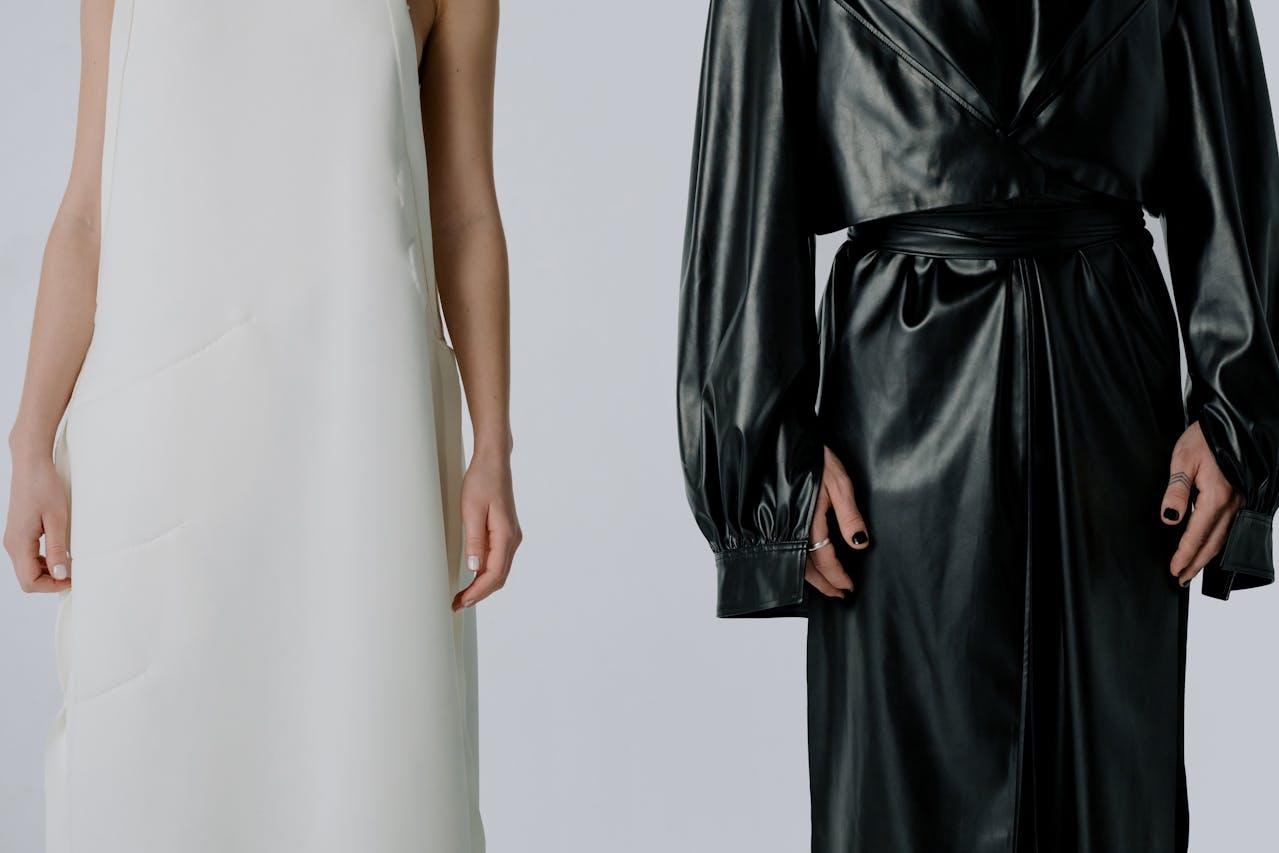
A beautifully tailored coat can sit untouched for months and still look refined the moment it is worn again. In Westchester, known for its upscale neighborhoods, polished social scene and fashion-conscious lifestyle, designer clothing is often treated as part of everyday dressing rather than reserved for special occasions. That constant use places more pressure on delicate fabrics than many people realize. Still, luxury garments are frequently damaged because small care habits are ignored. A silk blouse folded carelessly, a wool jacket left in a humid closet or excessive heat used during wrinkle removal can slowly weaken expensive materials. Designer garments are constructed with precision and they react differently to moisture, pressure and friction than standard clothing. Once that is understood, proper maintenance starts feeling less like extra work and more like protecting pieces that were made to stay beautiful for years.
Closet Habits Can Make Or Break Luxury Pieces
Many designer garments are damaged before they are even worn outside. Storage mistakes are often overlooked because closets are treated like safe spaces automatically. In reality, crowded wardrobes create constant friction between fabrics and that friction weakens fibers gradually. Structured jackets become misshapen when thin hangers are used and delicate sleeves can lose form when garments are squeezed tightly together.
Humidity also creates hidden problems. Moisture trapped inside closets affects leather trims, embroidery and wool textures more than people realize. Garments should be allowed breathing room and direct sunlight should be avoided whenever possible because fading can happen quietly. A cream-colored designer dress hanging near a bright window, for example, may begin looking uneven without obvious warning signs.
Cleaning routines should also be handled carefully because many luxury fabrics react poorly to standard detergents and aggressive washing cycles. Delicate garments should be taken to a reliable Westchester dry cleaner when stains appear or seasonal storage preparation becomes necessary. Professional fabric care is usually adjusted according to the garment’s material, construction and decorative details rather than relying on generic cleaning methods.
It also helps to rotate clothing instead of wearing the same statement pieces repeatedly. Fabrics recover better when rest periods are allowed between wears. Cashmere, wool and structured tailoring especially benefit from that slower approach because fibers maintain shape more effectively.
Stop Treating Every Fabric The Same Way
Luxury fashion should never be cleaned with one-size-fits-all thinking. Different materials react differently under pressure and many designer garments combine several fabrics within one piece. That combination requires more attention than most people expect.
Silk absorbs moisture quickly and should be protected from direct perfume sprays. Leather details become stiff when exposed to excessive heat. Sequined garments can loosen around the stitching when rough handling occurs during washing. Have care labels been ignored simply because they seemed too complicated? That shortcut often becomes expensive later.
Certain habits make a major difference:
- Padded hangers should be used for jackets and delicate dresses.
- Knitwear should be folded carefully instead of being hung.
- Garments should be aired out after wearing before returning to the closet.
- Steam should be preferred over aggressive ironing whenever possible.
- Plastic garment covers should be avoided during long-term storage.
Attention should also be paid to garment weight. Heavy embellished dresses should not remain hanging for months because stretching may occur near the shoulders. Even handbags stored incorrectly can affect nearby garments through pressure and friction.
For example, a beaded evening gown packed tightly beside structured coats may develop loose stitching simply from constant rubbing inside a crowded closet. Those small storage decisions matter more than dramatic cleaning disasters in many situations.
Heat And Moisture Are Quiet Trouble-Makers
Designer fabrics react strongly to temperature changes though those reactions are not always noticed immediately. Excessive dryer heat weakens elasticity and can alter the original structure of expensive materials. Steam, when applied gently, tends to relax fibers more naturally and fewer risks are created during wrinkle removal.
Bathrooms are often used for temporary clothing storage because they feel convenient before events or dinners. Unfortunately, trapped steam affects luxury fabrics slowly. Moisture settles into fibers and odors can develop even when garments appear clean visually. Silk and velvet are especially sensitive under those conditions.
Perfume placement also deserves attention. Fragrance oils may stain delicate fabrics permanently when sprayed directly onto clothing. Instead, perfume should be applied to skin first and garments should only be worn afterward. Makeup residue near collars should be addressed quickly because oils settle deeply into lighter fabrics.
Expensive clothing should not be cleaned aggressively after every use either. Constant cleaning weakens fibers faster than many people realize. Sometimes garments only need proper airing and light steaming instead of full treatment. That slower approach helps preserve texture and construction.
A tailored blazer worn briefly to a dinner gathering, for example, may simply need ventilation overnight rather than immediate pressing or cleaning. Small decisions like that preserve fabric integrity much longer.
Luxury Style Deserves A Little Patience
Designer clothing tends to hold emotional value alongside financial value. Certain garments become connected to celebrations, travel memories or professional milestones. Because of that, maintenance should feel intentional instead of rushed. Clothing care routines are often treated as afterthoughts although they influence how luxury pieces age visually.
Tailoring adjustments should be handled early rather than delayed. Loose hems, weakened buttons and minor stitching problems become larger repairs when ignored repeatedly. Professional alterations help garments maintain structure and better proportions for years. The same careful mindset is often applied to modern luxury accessories collections because preservation matters just as much as appearance.
Patience also improves decision-making while dressing. Clothing should never be forced into overcrowded luggage or packed carelessly into gym bags. Structured garments benefit from garment carriers and softer fabrics should be folded with tissue support whenever possible.
Designer fashion is not maintained through complicated rituals. Consistency matters more. Gentle handling, thoughtful storage and controlled cleaning habits protect garments far better than expensive emergency repairs later. When those routines become familiar, wardrobes begin holding their original elegance naturally and favorite pieces continue looking polished long after trends begin shifting elsewhere.