A new kitchen benchtop is usually expected to look seamless, balanced, and visually consistent. So when the finished surface appears patchy, uneven, or visibly divided into awkward sections, many homeowners are left wondering what went wrong. In most cases, the issue is not the material itself. The real problem often begins much earlier during slab planning.
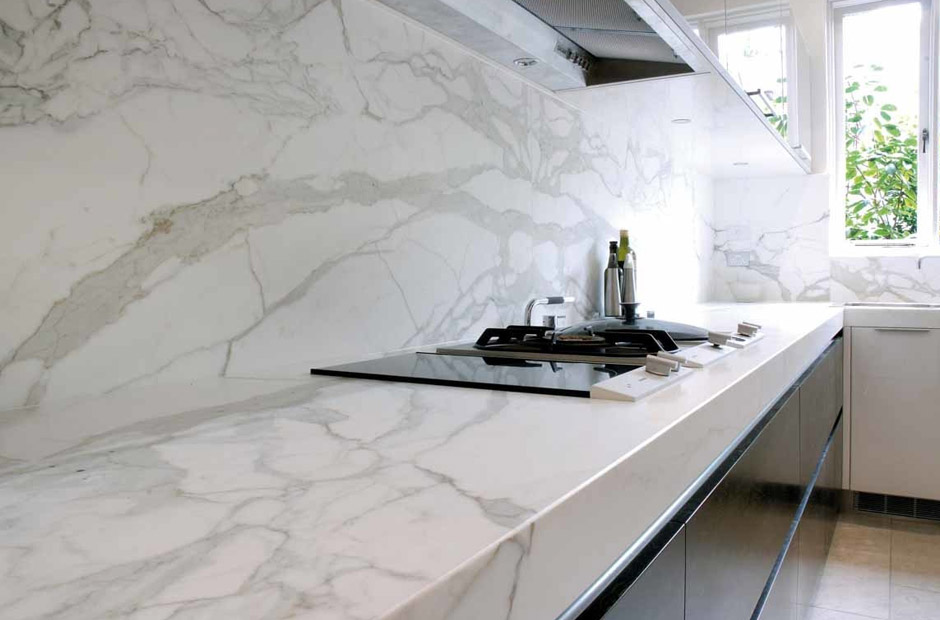
Poor planning can turn an otherwise high-quality installation into a benchtop that looks disconnected, crowded with visible joins, or inconsistent in colour and pattern. This is especially noticeable with large-format materials like porcelain slab benchtops, where layout precision plays a major role in the final appearance. Understanding how slab planning affects the finished result can help homeowners avoid costly visual and structural issues before installation even begins.
Why Slab Planning Matters So Much
Slab planning is the process of determining how the benchtop pieces will be cut, positioned, joined, and aligned before fabrication starts. This stage affects everything from seam placement to pattern continuity and edge consistency. If planning is rushed or handled poorly, the final benchtop can end up looking visually fragmented rather than cohesive.
Large kitchens, waterfall ends, island benches, and L-shaped layouts often require multiple cuts and joins because a single slab may not cover the entire space. Seams are common when layouts exceed slab dimensions or involve complex shapes. The issue is not the existence of seams themselves. The issue is where they are placed and how well the pieces align.
Pattern Mismatch Creates a Broken-Up Look
One of the most common problems caused by poor slab planning is pattern mismatch. Many porcelain slabs feature veining, stone-look textures, or directional patterns designed to flow naturally across the surface. When cuts are planned without considering pattern direction, the veins can suddenly shift, stop abruptly, or appear disconnected at joins.
This immediately draws attention to the seams and creates a visually uneven result. Mismatched slab orientation can significantly reduce the overall appearance of a benchtop. The problem becomes even more obvious on waterfall edges or large island benches where continuous flow is expected. Without careful layout planning before cutting, even expensive materials can end up looking pieced together.
Poor Seam Placement Makes Joins Stand Out
Seams are sometimes unavoidable, but poor placement makes them far more noticeable. If a join runs directly through a high-visibility area, near a sink cut-out, or across the centre of a kitchen island, the benchtop can immediately appear divided into separate sections.
Good fabrication aims to place seams where they are less visible and structurally safer. Poor seam positioning often results from inaccurate measurements or attempts to maximise material usage at the expense of appearance.
Uneven seams are another issue. If adjoining slabs are not perfectly level, the surface may develop a lip or raised edge that catches light and becomes highly visible. Homeowners frequently notice these irregularities immediately after installation because the surface no longer appears smooth or continuous.
Uneven Cabinetry Can Affect the Entire Surface
Even perfectly fabricated slabs can look uneven if the supporting cabinetry is not level. Porcelain materials require stable, flat support underneath. Even small dips or uneven substrate areas can create stress points, movement, or visible height variation across the benchtop.
This often causes sections of the benchtop to sit slightly higher or lower than adjacent areas. In kitchens with long bench runs or large islands, these inconsistencies become especially noticeable because reflections and lighting exaggerate surface irregularities.
Incorrect Cut Planning Weakens the Visual Flow
Another common planning mistake involves poor cut sequencing. When fabricators fail to map out the slab carefully, important visual elements may end up interrupted by sink cut-outs, appliance gaps, or corner joins. This breaks the continuity of the design and creates an unbalanced appearance.
Some porcelain materials also have directional patterns that only align correctly when cuts are planned in advance. Marking and planning cuts accurately is critical for maintaining visual consistency and preventing structural stress. Without proper planning, the benchtop may appear disjointed even if the installation itself is technically sound.
Structural Problems Can Also Affect Appearance
Poor slab planning does not just create visual issues. It can also contribute to structural instability. Unsupported overhangs, weak cut-out areas, or badly planned joins may lead to flexing, cracking, or movement over time.
Even minor movement can make seams more visible and cause the surface to appear uneven. This is particularly important with thinner porcelain materials, which require precise support and careful handling during fabrication and installation.
How Homeowners Can Avoid These Problems
The best prevention starts before fabrication begins. Homeowners should ask to review the slab layout and seam placement before any cutting occurs. Seeing how the pattern will flow across joins, corners, and waterfall edges allows problems to be identified early.
It is also important to confirm whether cabinetry and substrates will be checked for levelness before installation. Even high-quality slabs cannot compensate for uneven support underneath. Choosing experienced fabricators matters as well. Porcelain fabrication requires specialised handling, cutting equipment, and installation techniques.
Careful planning, accurate templating, and proper support are what create a benchtop that looks cohesive rather than broken into sections.
Conclusion
When a new benchtop looks uneven, disconnected, or heavily segmented, the problem often starts long before installation day. Poor slab planning affects seam placement, pattern alignment, surface levelness, and overall visual flow. Even high-end materials can end up looking flawed if cuts, joins, and supports are not planned correctly from the beginning.
With porcelain slab benchtops, precision matters even more because large-format surfaces highlight inconsistencies quickly. A well-planned installation creates a smooth, balanced appearance where seams blend naturally, and the design flows consistently across the space. Poor planning does the opposite, leaving the benchtop looking broken up instead of unified.
FAQs
- Why does my new benchtop look uneven?
Uneven appearance is often caused by poor slab planning, incorrect seam placement, or uneven cabinetry underneath the surface.
- Are seams unavoidable in porcelain benchtops?
Not always, but larger kitchens and complex layouts often require seams due to slab size limitations.
- What causes visible pattern mismatches?
Pattern mismatches usually happen when slab cuts are not planned correctly before fabrication.
- Can uneven cabinets affect the benchtop?
Yes. Uneven cabinetry or poor substrate support can cause height differences, movement, or visible lips between slab sections.
- Why are waterfall edges harder to match?
Waterfall edges require careful alignment of veining and patterns across vertical and horizontal sections, which demands precise planning.
- Can poor slab planning cause cracking later?
Yes. Weak support areas, badly positioned cut-outs, and poor join planning can create stress points that increase the risk of cracking over time.