An air conditioner can quietly lose efficiency long before it completely stops cooling the house. Many homeowners notice rising electricity bills first, then realize rooms feel warmer even while the system runs for hours every day. Refrigerant leaks usually develop slowly, which makes them harder to detect during the early stages. Small warning signs may appear weeks before larger cooling problems affect indoor comfort. This article explains how homeowners can recognize refrigerant leak symptoms early and why fast attention helps reduce unnecessary cooling expenses in Colorado Springs.
Warm Air From Vents May Signal Refrigerant Loss
Cool air should move consistently through vents during normal system operation. Refrigerant leaks may reduce the system’s ability to remove heat properly, which causes warmer airflow throughout the home. Many homeowners searching for AC Repair Colorado Springs, CO, first notice weak cooling performance before realizing refrigerant loss caused the issue.
Several warning signs may appear during daily system operation:
- Rooms remain warmer despite lower thermostat settings
- Airflow feels weaker during afternoon cooling cycles
- Cooling takes longer than normal each day
- Certain rooms cool unevenly throughout the property
Homes in Colorado Springs may experience these problems more noticeably during hotter weather conditions.
Ice Around Indoor Components Deserves Attention
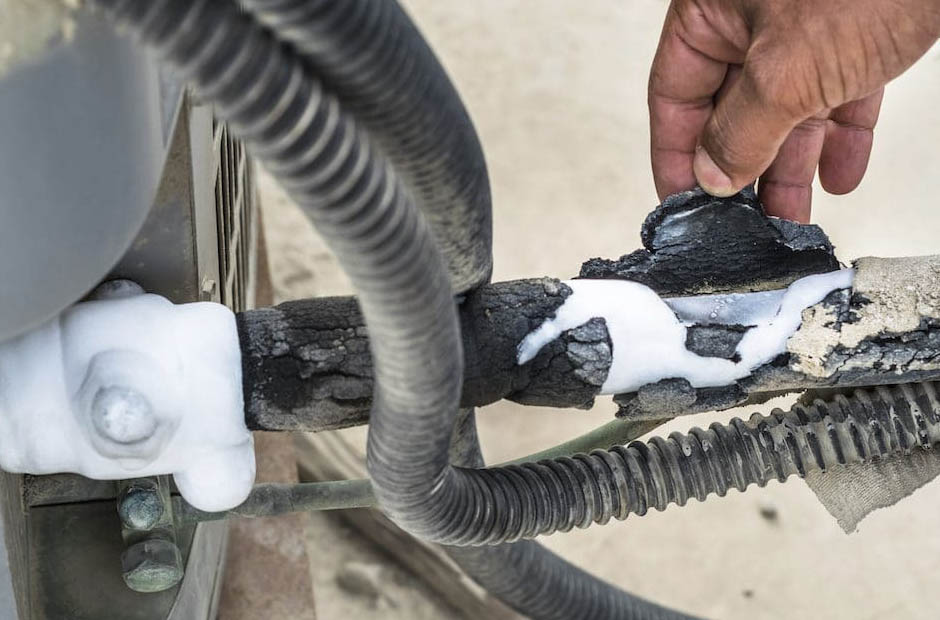
Low refrigerant levels sometimes cause evaporator coils to freeze during cooling cycles. Ice buildup may appear around indoor cooling components even while outdoor temperatures remain warm. Some homeowners mistake this issue for stronger cooling because frozen coils appear cold initially.
Frozen coils usually restrict airflow and reduce system efficiency over time. Homeowners in Colorado Springs may also notice water near indoor equipment after the ice begins melting. Quick inspections help prevent additional strain on compressors and airflow components during extended summer system use.
Hissing Sounds May Point Toward Leaks
Refrigerant leaks sometimes create hissing or bubbling sounds near refrigerant lines and indoor equipment. These sounds may appear briefly when the cooling system starts or shuts down during regular operation. Small leaks can remain difficult to identify without paying close attention to unusual system noises.
Several sound-related warning signs may suggest refrigerant concerns:
- Soft hissing near refrigerant lines
- Bubbling noises around indoor components
- Sudden airflow changes during operation
- Unusual cycling sounds during startup periods
Homeowners in Colorado Springs should avoid ignoring repeated sounds that continue appearing during normal AC operation.
Higher Utility Bills May Reflect Cooling Problems
Refrigerant leaks force cooling systems to work harder while producing weaker indoor cooling performance. Longer cooling cycles usually increase electricity use because the system struggles to maintain desired temperatures throughout the property.
Some residents in Colorado Springs first notice refrigerant concerns after comparing seasonal utility costs from previous years. Rising cooling expenses without major weather changes may indicate efficiency problems linked to refrigerant loss. Early inspections may help homeowners avoid larger repair costs and continued energy waste later.
Professional Inspections Help Confirm Refrigerant Issues
Professional HVAC inspections help identify refrigerant leaks before larger cooling problems develop. Technicians inspect refrigerant levels, pressure readings, airflow patterns, and coil conditions during service appointments. Proper testing usually helps confirm whether refrigerant loss affects overall system performance.
Many homeowners requesting AC Repair in Colorado Springs, CO, prefer professional inspections because refrigerant leaks may resemble thermostat or airflow problems initially. Experienced technicians can also identify hidden leaks that homeowners cannot easily locate without specialized tools and testing equipment.
Refrigerant leaks can quietly increase cooling costs while reducing indoor comfort throughout the home. Warm airflow, frozen coils, strange sounds, and higher energy bills usually appear before major AC failures develop. Homeowners who respond early to these warning signs generally experience steadier cooling and fewer expensive repairs later. Regular inspections also help families approach AC Repair with greater confidence during warmer seasons.