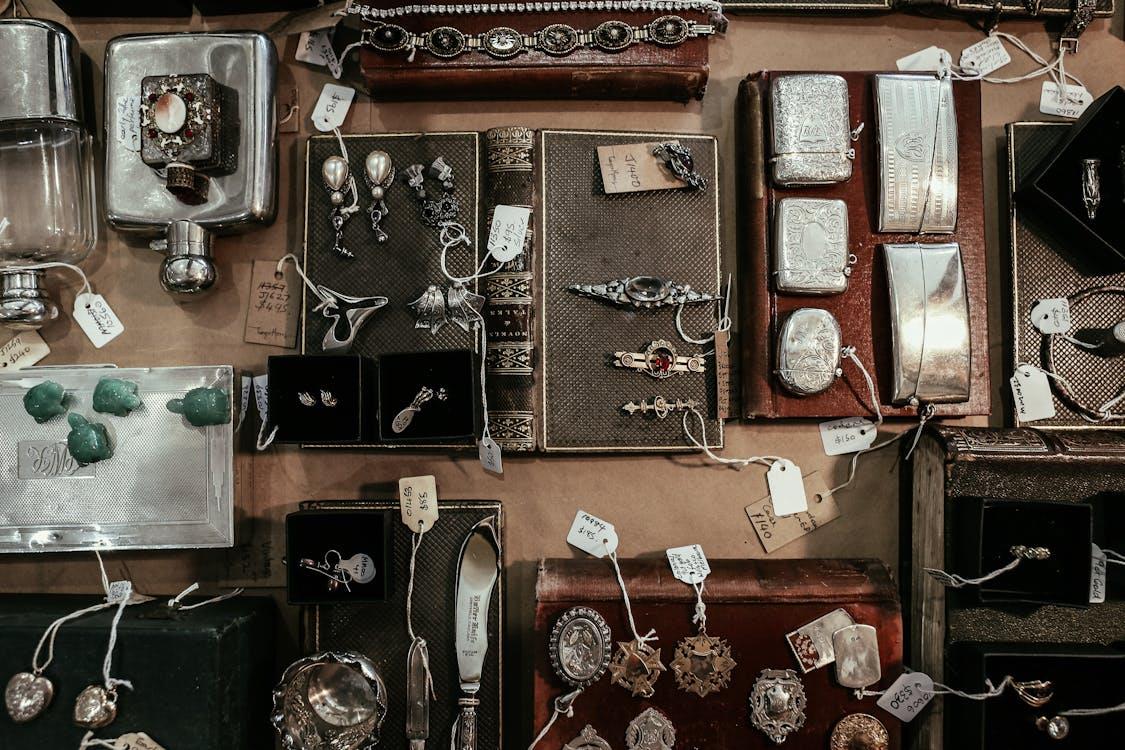
Vintage jewellery continues to attract investors who want assets with lasting value. Unlike trend-driven accessories, antique pieces combine precious materials, skilled craftsmanship, and historical significance in one collectible item. Buyers increasingly view estate jewellery as part of a diversified portfolio because rare pieces often retain demand during changing economic conditions. In cities such as Sydney, the luxury resale market has expanded steadily as collectors search for authenticated rings, watches, brooches, and necklaces from important design periods. This growing interest reflects a broader shift towards tangible investments that offer both personal enjoyment and financial stability.
Modern consumers are also becoming more selective about where they invest their money. Fast fashion products lose value quickly, but well-preserved vintage jewellery can appreciate across generations. Investors recognise that antique diamonds, platinum settings, and handcrafted details are difficult to reproduce today. Many collectors also value the sustainability benefits associated with pre-owned luxury goods.
Understanding the Secondary Luxury Jewellery Market
The secondary jewellery market continues to attract investors who value rare and tangible luxury assets. However, purchasing vintage jewellery requires more than an interest in design or historical appeal. Buyers must carefully assess gemstone quality, metal purity, restoration history, and documented ownership before investing. These details directly influence authenticity, resale value, and long-term demand. Auction records and professional valuations also play an important role because even minor alterations or repairs can affect a piece’s market worth. As a result, experienced investors rarely make purchasing decisions without expert evaluation.
This need for reliable verification has made professional expertise an essential part of the buying process. Investors and collectors often seek guidance from Sydney’s leading antique jewellers when assessing estate pieces with significant historical and financial value. Established experts can confirm whether gemstones, settings, and craftsmanship belong to a specific design period while also identifying alterations that may reduce value. Their guidance helps buyers avoid costly mistakes and make more informed investment decisions. It also gives collectors greater confidence that the pieces they acquire hold genuine long-term market potential.
Rarity and Scarcity Increase Long-Term Market Demand
Vintage jewellery continues to hold value because supply remains extremely limited. Jewellery from the Victorian, Edwardian, and Art Deco periods cannot be reproduced in its original form, especially when pieces still retain their original stones and settings. As fewer authentic examples remain available, collector demand naturally increases.
Scarcity also creates stronger competition within the global luxury market. Signed pieces from respected jewellery houses and rare gemstone combinations often achieve premium resale prices at auctions and private sales. Investors recognise that exclusivity plays a major role in long-term appreciation, particularly when demand continues to rise among international buyers seeking historically significant designs.
Exceptional Craftsmanship That Modern Manufacturing Rarely Replicates
Many antique jewellery pieces were created entirely by hand using techniques that are now uncommon in modern production. Craftsmen devoted significant time to engraving, filigree work, stone setting, and metal shaping, resulting in highly detailed pieces with strong structural integrity. This level of artistry adds both financial and cultural value.
Modern mass production prioritises efficiency, which often limits individuality and detail. In contrast, vintage jewellery reflects a level of patience and technical skill that collectors continue to admire. Buyers are willing to pay higher prices for pieces that demonstrate authentic hand craftsmanship because these designs offer uniqueness, durability, and historical authenticity that modern jewellery frequently lacks.
The Enduring Value of High-Quality Materials
Vintage jewellery often contains gemstones and metals that meet exceptionally high standards. Old European-cut diamonds, untreated sapphires, and natural rubies remain highly desirable because many modern stones undergo treatments that reduce rarity. Collectors appreciate the originality and character found in older gemstone cuts.
Precious metals also contribute to long-term value retention. Antique pieces frequently feature platinum and high-purity gold that maintain strong market demand regardless of changing fashion trends. Investors view these materials as reliable stores of wealth because they combine intrinsic value with luxury appeal.
Historical Provenance Adds Emotional and Financial Worth
The historical background of a jewellery piece can significantly influence its market value. Jewellery connected to important design eras such as the Victorian, Edwardian, or Art Deco periods attracts collectors who value authenticity and cultural significance. Buyers often pay premiums for pieces that reflect distinctive artistic movements.
Documented provenance can further increase investment appeal. Original maker signatures, ownership records, and historical documentation help verify authenticity while adding exclusivity to the piece. Collectors understand that jewellery with a traceable history often performs better in resale markets and auction settings.
Vintage Jewellery as a Hedge Against Inflation and Economic Uncertainty
Luxury assets with tangible value often perform well during periods of economic instability. Gold, platinum, and rare gemstones have historically maintained purchasing power during inflationary periods when paper assets become more volatile. Vintage jewellery combines these materials with rarity, creating an asset class that appeals to cautious investors.
Many buyers also appreciate the portability and liquidity of high-end jewellery investments. Rare antique pieces can attract international demand through auctions, dealers, and private collectors. This global interest helps support consistent market value even when broader financial markets experience uncertainty.
Sustainability and the Rise of Conscious Luxury Investing
Consumers increasingly support businesses and products that align with sustainable values. Vintage jewellery fits naturally within this movement because it extends the life cycle of luxury goods without requiring additional mining or manufacturing. Buyers appreciate the environmental benefits associated with purchasing pre-owned pieces.
The rise of the recommerce economy has also strengthened demand for estate jewellery. Younger investors often prioritise ethical consumption alongside financial value, making antique jewellery particularly attractive in modern luxury markets. This shift continues to expand interest in collectible jewellery across both fashion and investment sectors.
A Wearable Legacy With Lasting Financial Strength
Vintage jewellery continues to stand apart from many traditional luxury purchases because it combines rarity, craftsmanship, historical significance, and intrinsic material value. These qualities support long-term demand among collectors, investors, and luxury buyers seeking assets that can preserve wealth over time.
Well-preserved antique jewellery also offers emotional and generational value that extends beyond financial return. Owners can wear and enjoy these pieces while maintaining an asset that may appreciate in future markets. As interest in sustainable luxury and tangible investments grows, vintage jewellery remains a sophisticated option for investors seeking stability, beauty, and lasting value.