Getting dressed every day can feel repetitive, especially when your closet is full, but nothing stands out. The difference between basic and elevated style often comes down to small, intentional choices rather than a full wardrobe overhaul.
Start With Well-Fitted Basics That Do the Heavy Lifting
A strong everyday outfit usually begins with well-fitted basics that sit right on your body and feel comfortable throughout the day. These are the pieces you reach for without thinking, which is exactly why they need to work effortlessly in every situation.
Think of a clean white T-shirt that isn’t too tight, denim that holds its shape, or a blazer that defines your shoulders without feeling stiff. When these staples fit well, they create a foundation that makes everything layered on top look more intentional and polished.
Add One Standout Piece to Keep Things Interesting
The easiest way to elevate a simple outfit is by introducing one standout piece that draws attention without overwhelming everything else. It creates a focal point that makes the outfit feel styled, even when the rest is minimal.
For example, pairing neutral trousers and a fitted top with a flowing piece from Winnie and Co Clothing can completely change the look. It adds movement and personality while keeping the overall outfit grounded and wearable for everyday situations.
Play with Layers to Create Depth Without Bulk
Layering works best when it feels intentional rather than excessive, allowing each piece to serve a purpose. The goal is to create visual depth through layering without making the outfit look heavy or uncomfortable.
A lightweight cardigan over a tank or a button-down worn open over a fitted tee adds structure and interest. These combinations also transition easily between indoor and outdoor settings, making them as practical as they are stylish.
Stick to a Cohesive Color Palette That Feels Effortless
Outfits that look polished often rely on a cohesive color palette instead of bold, competing tones. Keeping colors aligned helps the outfit feel calm and intentional without requiring too much thought.
Wearing shades of beige, black, or muted blue in one outfit creates a seamless look that reads as put-together. It also simplifies your routine, since mixing and matching becomes almost automatic.
Choose Footwear That Balances Comfort and Style
The right pair can quietly elevate everything else you are wearing without demanding attention. Shoes often define how an outfit is perceived, even when they are not the main focus. Choosing functional yet stylish footwear ensures your look feels complete without sacrificing comfort.
Clean sneakers, structured flats, or minimal ankle boots work well across different outfits. They anchor the look while still allowing flexibility for long days that involve walking or standing.
Use Accessories to Refine, Not Overwhelm
Small details often carry more impact than bold statements when they are chosen with intention. Accessories should enhance what you are already wearing rather than compete for attention. The idea is a subtle refinement of an accessory that adds polish through small, deliberate details.
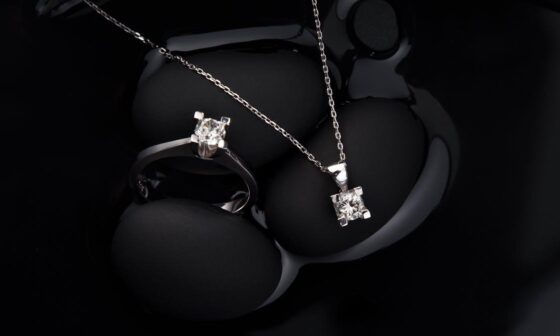
A simple watch, a delicate necklace, or a structured bag can instantly elevate your look. Keeping it minimal allows each piece to stand out without making the outfit feel crowded.
Pay Attention to Fabric and Texture Combinations
What you wear matters, but how the materials interact is what gives the outfit its depth. Texture is often overlooked, yet it plays a major role in how an outfit feels visually. Mixing materials creates contrast through fabric and texture, bringing depth without needing bold colors.
For instance, pairing a soft-knit top with structured trousers, or denim with a silky blouse, adds dimension. These subtle contrasts make the outfit feel styled rather than accidental.
Focus on Clean Lines and Simple Silhouettes
Clarity in shape often reads as confidence, even in the most understated outfits. Clothing that follows clear lines tends to look more polished, even when the pieces themselves are simple. Prioritizing clean silhouettes and structure keeps outfits from feeling disjointed.
Straight cuts, tailored edges, and uncluttered shapes create a natural flow across the body. This approach helps casual outfits appear more refined without adding extra elements.
Small Changes That Create a Big Style Shift
It comes down to refining what you already wear through fit, balance, and thoughtful details. When you focus on small adjustments and consistent styling habits, getting dressed becomes easier and more satisfying. Over time, these simple choices build a personal style that feels natural and confident.