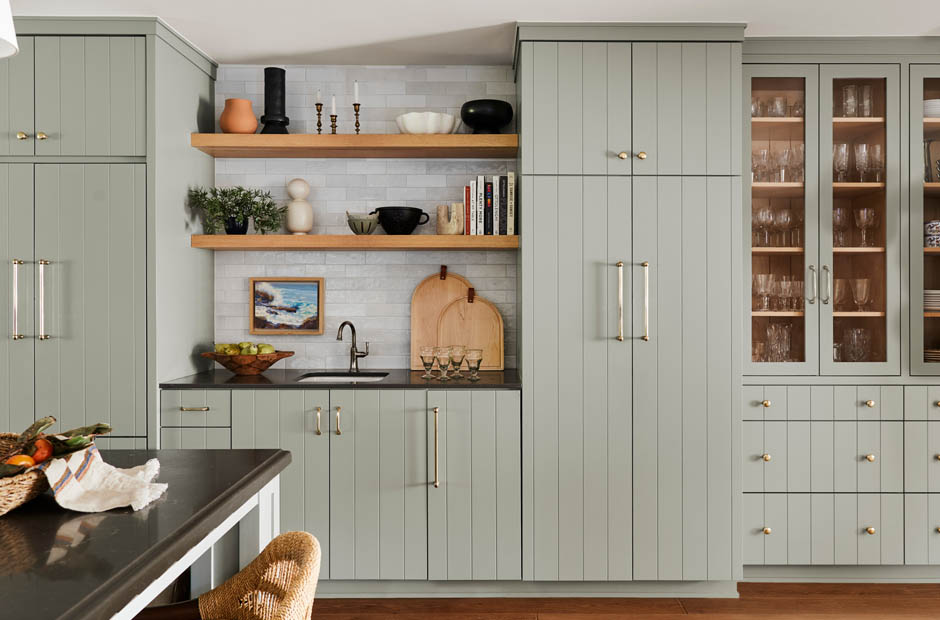
A kitchen can feel different with a few surface changes. The front style, finish, wood tone, and hardware all affect the room’s mood. A full remodel is not the only path to a fresh look. These seven ideas focus on practical choices that may help improve both style and daily use.
1. Start With a Clean Slab Look
Flat fronts give a kitchen a smooth and simple face. Cabinet doors in a slab style can help with a neat, modern look without extra trim or grooves. This idea works well in small spaces because the flat surface keeps visual clutter low. It also pairs well with long pulls, square knobs, or hidden hardware.
A slab style can suit paint, laminate, or wood veneer. Light colors may help the room feel more open, while wood tones add warmth. A matte finish can feel soft and quiet. A glossier finish reflects light and may help brighten a darker layout.
2. Try a Classic Shaker Style
Shaker-style fronts have a frame and a recessed center panel. The look is simple, familiar, and easy to match with many kitchens. It can sit well with farmhouse, casual, modern, or transitional spaces. The straight lines keep the design clean without a plain flat face.
This style also works with many finishes. White paint gives a crisp effect, while oak or maple can add natural texture. A darker stain may help create a more grounded look. The frame detail adds depth without heavy ornament.
3. Use Glass Ready Fronts for Display
Glass ready fronts can break up a long wall of solid storage. They allow dishes, bowls, or decor to become part of the kitchen design. This idea works best in select areas, such as upper units or a coffee station. It can also make a compact kitchen feel less closed in.
Best Places for Glass Accents
Glass accents look balanced when used with care. Too many clear fronts can make storage feel busy. A few framed glass panels may help improve the rhythm across the room. Frosted or textured glass can hide clutter while still adding light detail.
4. Add Warmth With Natural Wood
Natural wood gives a kitchen character through grain and tone. Maple can look smooth and calm, while oak has a more visible grain. Cherry and alder can bring richer color. Each wood type reacts to stain in its own way.
Wood fronts can work with white walls, stone counters, and simple hardware. They also help soften a room with cool tile or metal finishes. A clear coat can keep the wood tone close to its natural shade. A stain can deepen the color and add more contrast. Installing white oak kitchen cabinets elevates the entire space by introducing a bright, modern warmth and an exceptionally durable surface that beautifully highlights the natural beauty of the timber.
5. Pick Paint for a Fresh Color Shift
Paint can change the kitchen mood without a full layout change. Soft white, warm gray, navy, and muted green are common choices. A painted finish may help cover mixed wood tones or older surfaces. It also gives a more uniform look across the room.
Before making a color choice, compare samples in the actual kitchen light. Morning light, ceiling bulbs, and under-unit lights can change how paint appears. For cabinet doors, paint grade material can be a practical option when a solid color is the goal. The final color should work with floors, counters, backsplash, and wall tone.
6. Match Hardware With the Front Style
Hardware has a strong effect on the final look. Slim pulls can suit flat fronts and clean lines. Round knobs feel softer and can fit classic styles. Cup pulls may add a more vintage touch.
A few checks can help with hardware choice:
- Match the scale to the drawer or front size.
- Keep the finish close to faucets or light fixtures.
- Test grip comfort before a full purchase.
- Use the same placement for a steady look.
Good hardware also aids daily use. Large drawers need pulls that feel easy to hold. Small upper fronts may look better with simple knobs. A steady hardware plan helps the kitchen feel pulled together.
7. Refresh With New Size and Overlay Choices
Size and overlay affect how the whole kitchen face appears. A one-half-inch overlay is a common choice for many replacement projects. Full overlay can create a more seamless look with smaller gaps. Inset styles feel more traditional, but they need a very accurate fit.
Measure each opening with care before any order. Do not assume every space is the same size. Hinge bore holes, swing direction, and drawer front size should be checked as well. These small details may help avoid gaps, rub marks, or uneven reveals.
A kitchen refresh can start with one clear choice, such as style, finish, wood type, or hardware. Slab fronts create a clean look, Shaker frames add soft detail, and glass ready pieces bring display value. Paint, stain, and overlay choices shape the final effect. With careful measurements and a steady plan, the kitchen can feel more useful, balanced, and current.