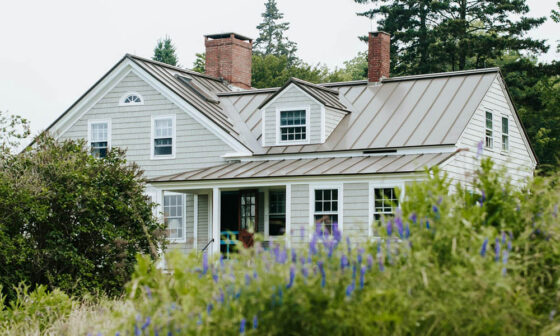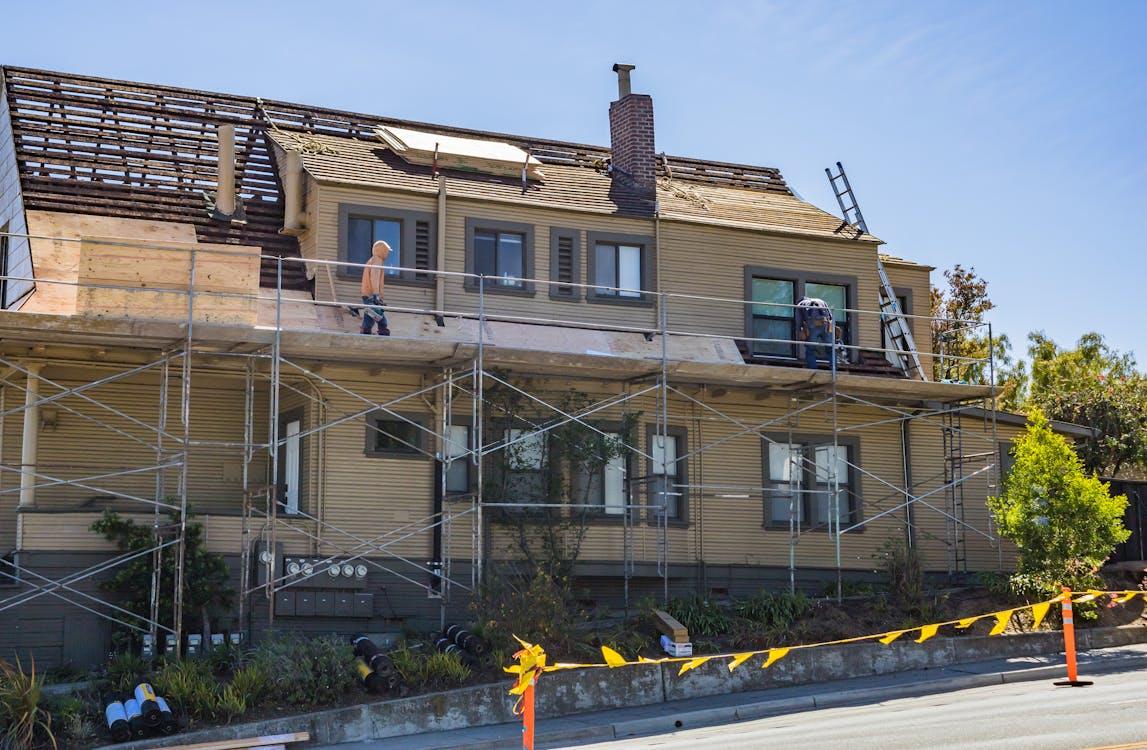
A roof is one of the most important parts of any home because it protects the property from rain, wind, snow, heat, and other weather conditions throughout the year. Even a small roofing issue can eventually lead to water damage, mold growth, insulation problems, and costly structural repairs if it is ignored for too long.
Many homeowners only think about their roof when a leak appears or storm damage becomes visible. However, regular roof maintenance plays a major role in preventing larger problems before they become expensive emergencies. Routine inspections, proper drainage, and timely repairs can help extend the lifespan of a roofing system while protecting the overall condition of the home.
In cities like Cincinnati, where homes experience changing seasons, heavy rain, wind, and occasional storms, roofs face constant exposure to weather-related wear and tear. These conditions can gradually weaken roofing materials and increase the risk of damage over time.
By staying proactive and following simple maintenance habits, homeowners can improve roof performance, reduce repair costs, and maintain long-term property value.
Regular Roof Inspections Help Prevent Major Damage
Routine roof inspections are one of the most effective ways to prevent expensive roofing problems. Small issues that seem minor at first can quickly become serious if they are not identified and repaired early.
Homeowners should regularly look for visible warning signs such as missing shingles, cracked flashing, sagging roof areas, moss growth, or water stains on ceilings and walls inside the home. These problems may indicate leaks or structural weaknesses that require attention.
Weather conditions often accelerate roofing damage over time. Strong winds can loosen shingles, while heavy rain may expose weak areas where water can enter the home. Seasonal temperature changes can also cause roofing materials to expand and contract, gradually creating cracks or gaps.
Many homeowners work with an experienced Cincinnati roofing company to perform professional inspections, identify hidden damage, and recommend preventive maintenance solutions that help protect the roof before small problems turn into major repairs.
Professional inspections are especially important after severe storms because some forms of damage may not be obvious from the ground. Roofing professionals can safely examine flashing, ventilation systems, shingles, and structural areas that homeowners may not be able to inspect themselves.
Regular inspections not only reduce long-term repair costs but also help extend the overall lifespan of the roof by addressing issues before they worsen.
Keep Gutters and Downspouts Clean and Functional
Gutters play an important role in protecting the roof and the rest of the home from water damage. Their main job is to direct rainwater safely away from the roof, siding, and foundation.
When gutters become clogged with leaves, dirt, or debris, water may begin pooling along the roofline instead of draining properly. This can lead to roof leaks, rotting wood, mold growth, and even foundation problems if water collects around the home.
Homeowners should clean gutters regularly, especially during the fall and after storms when debris buildup is more common. Downspouts should also be inspected to ensure water flows away from the property effectively.
In some cases, installing gutter guards may help reduce debris accumulation and make maintenance easier throughout the year. However, even gutters with guards still require occasional inspections and cleaning.
Proper drainage helps prevent unnecessary moisture exposure and supports better roof performance during heavy rainfall.
Keeping gutters in good condition is one of the simplest but most important steps homeowners can take to protect their roof and overall property.
Trim Overhanging Tree Branches and Remove Roof Debris
Trees can improve the appearance of a property, but branches hanging too close to the roof may create several maintenance problems over time.
During storms or strong winds, branches may break and damage shingles, gutters, or flashing. Even smaller branches rubbing against roofing materials repeatedly can gradually wear down protective surfaces.
Leaves and debris collecting on the roof may also trap moisture against shingles, increasing the risk of mold, algae growth, and wood rot. Moisture buildup can weaken roofing materials and shorten the lifespan of the roof if it is not removed regularly.
Tree debris may also attract pests such as insects or rodents looking for shelter near the roofline or attic.
Homeowners should trim overhanging branches regularly to reduce these risks and improve airflow around the roof. Keeping branches away from roofing materials also allows sunlight to dry moisture more effectively after rain.
After storms, roofs should be checked for fallen debris, damaged shingles, or clogged gutters caused by branches and leaves.
Regular roof cleaning and tree maintenance help reduce weather-related wear while supporting better long-term roof performance.
Address Small Repairs Before They Become Larger Problems
One of the biggest mistakes homeowners make is delaying small roofing repairs. Minor issues often become more serious and expensive when left untreated for too long.
Loose shingles, damaged flashing, cracked seals, or small leaks may not seem urgent at first, but water intrusion can quickly spread into other parts of the home. Over time, moisture may damage insulation, ceilings, walls, and structural supports.
Addressing repairs early is usually far more affordable than dealing with major roof replacements or interior water damage later.
Flashing around vents, chimneys, and skylights should be inspected carefully because these areas are common sources of leaks. Replacing damaged shingles promptly also helps maintain the protective barrier of the roof.
Proper attic ventilation is another important factor. Poor airflow can increase heat and moisture buildup inside the attic, placing additional stress on roofing materials and increasing the risk of mold growth.
Professional roofing services are often recommended for repairs because improper fixes may create additional problems later. Experienced roofers can identify the root cause of damage and ensure repairs are completed safely and correctly.
Timely maintenance and repairs help homeowners avoid larger expenses while improving the long-term reliability of the roofing system.
Regular roof maintenance is one of the most important responsibilities homeowners have when protecting their property. Small maintenance habits such as inspections, gutter cleaning, debris removal, and timely repairs can prevent expensive damage and improve long-term roof performance.
Changing weather conditions, storms, and seasonal temperature shifts place constant stress on roofing systems throughout the year. Staying proactive helps homeowners identify problems early before they develop into serious structural issues.
Proper attic ventilation, drainage systems, and professional roofing inspections also play important roles in maintaining a safe and reliable roof.
By investing time in regular roof care and seeking professional help when needed, homeowners can extend the lifespan of their roof, reduce repair costs, and maintain the long-term value and protection of their home.