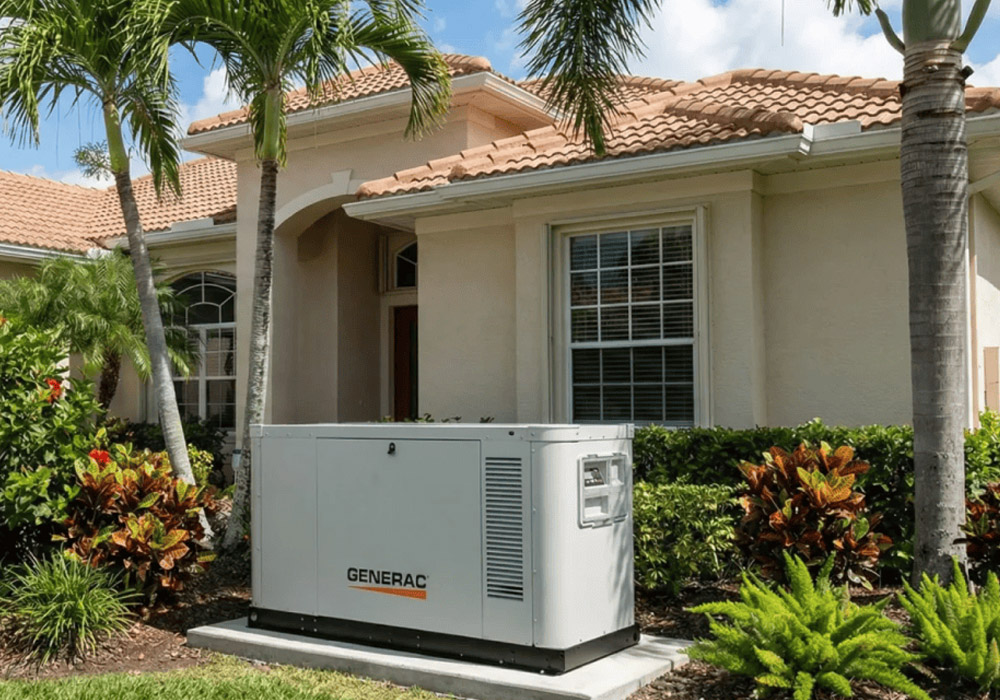
Power outages can happen without warning, making a dependable generator an important part of keeping homes and businesses running. However, even a reliable standby generator depends on routine servicing to remain ready for unexpected emergencies. Skipping maintenance appointments or delaying inspections may allow small concerns to develop into larger mechanical issues that reduce performance when power is needed most. Paying attention to changes in operation, appearance, or efficiency helps owners recognize when maintenance should no longer be postponed. Understanding the warning signs of an overdue service schedule supports safer operation, protects the equipment from unnecessary wear, and helps extend its working life while reducing the possibility of unexpected failures.
Recognizing Early Warning Signs
Unusual Operating Sounds Signal Developing Problems
Generators naturally produce some mechanical noise during operation, but a noticeable increase in rattling, knocking, grinding, or vibrating should never be ignored. These sounds often indicate worn internal components, loose fasteners, deteriorating mounts, or developing engine issues that require prompt inspection. Ignoring unfamiliar noises allows additional stress to spread throughout the system, potentially affecting multiple components instead of a single repair. Vibrations may also loosen electrical connections, increasing the likelihood of inconsistent performance during operation. Maintenance schedules exist because trained technicians can identify these developing problems before they become expensive breakdowns. Even a generator that still starts successfully may already be showing early signs of wear, such as changes in sound.
Owners who pay close attention during routine exercise cycles often notice these differences before complete equipment failure occurs. Genstar Generator Service in Sanford helps identify these warning signs before they develop into larger operational concerns. Responding quickly to abnormal operating sounds protects valuable equipment, improves long-term reliability, and reduces the chance of emergency repairs occurring when dependable backup power becomes absolutely necessary.
Frequent Starting Difficulties Should Never Be Ignored
A standby generator should start smoothly whenever its automatic transfer switch initiates an exercise cycle or responds to a power interruption. If starting becomes inconsistent, requires multiple attempts, or fails altogether, the service schedule likely needs immediate attention. Battery deterioration remains one of the most common causes of starting issues, but fuel delivery problems, ignition system wear, clogged filters, and electronic control faults may also contribute. These problems often begin gradually, giving owners an opportunity to address them before they completely disable the generator. Delaying maintenance may allow additional deposits to accumulate within the fuel system or create unnecessary strain on the starter motor and battery.
Regular inspections verify battery condition, charging performance, fuel quality, and control system operation while identifying hidden issues that may not yet produce obvious symptoms. Even if the generator eventually starts after repeated attempts, unreliable performance significantly reduces confidence during emergencies. Prompt servicing restores dependable operation while preventing relatively minor mechanical issues from escalating into more expensive repairs over time.
Warning Lights and Error Messages Require Prompt Inspection
Modern standby generators continuously monitor numerous operating conditions through electronic sensors and onboard diagnostic systems. When warning indicators illuminate or fault codes appear on the display panel, the equipment indicates that attention is required. While some alerts may indicate routine maintenance intervals, others may point to cooling problems, low oil pressure, charging system faults, fuel supply issues, or sensor malfunctions. Clearing these messages without identifying their underlying cause only delays necessary repairs and allows potential damage to continue to develop.
Routine service appointments include diagnostic evaluations that interpret stored fault codes accurately and confirm whether additional repairs are needed. Ignoring electronic warnings may eventually force the generator into protective shutdown modes designed to prevent severe engine damage. These shutdowns often occur at the very moment when reliable backup power is most important. Prompt attention to warning lights allows technicians to correct issues early, maintain safe operation, and ensure the generator continues responding automatically whenever utility power becomes unavailable.
Reduced Performance During Load Testing Indicates Service Delays
Generators should consistently provide stable electrical output whenever they operate under expected loads. If lights flicker, sensitive equipment behaves unpredictably, or the generator struggles while powering appliances that previously operated without difficulty, overdue maintenance may be affecting performance. Fuel restrictions, dirty air filters, injector issues, worn spark plugs, deteriorating engine components, and electrical regulation problems all contribute to declining efficiency. These gradual reductions often remain unnoticed until the generator must support an actual outage for an extended period. Scheduled maintenance verifies voltage stability, frequency consistency, cooling efficiency, and overall engine performance and corrects developing issues before they compromise reliability.
Load testing also confirms that the generator can safely meet the electrical demand placed on it without overheating or experiencing excessive mechanical strain. Addressing declining performance promptly reduces unnecessary stress on both the generator and connected equipment. A properly maintained system continues delivering dependable electrical power while minimizing interruptions that could otherwise affect household comfort or business continuity.
Fluid Leaks and Visible Wear Suggest Immediate Maintenance
Routine visual inspections often reveal maintenance needs before serious failures occur. Oil stains beneath the generator, coolant leaks around hoses, fuel seepage, cracked belts, corroded battery terminals, rust accumulation, or damaged insulation all indicate that scheduled servicing should not be postponed. Small leaks often begin with minor gasket deterioration or loose fittings, but can gradually worsen if left unattended. Low fluid levels increase internal engine wear, reduce cooling effectiveness, and create conditions that shorten equipment lifespan. Likewise, deteriorating hoses or belts may eventually fail without warning, causing unexpected shutdowns during operation.
Regular maintenance includes replacing worn components before they fail completely and confirming that fluid levels remain within recommended operating ranges. Exterior inspections also identify rodent damage, loose wiring, blocked ventilation openings, and environmental debris that could interfere with safe operation. Addressing visible signs of wear immediately helps maintain dependable performance while reducing repair costs associated with more extensive mechanical damage developing over time.
A standby generator represents an important investment in uninterrupted power, but its reliability depends on consistent maintenance rather than occasional attention. Unusual noises, difficulty starting, warning indicators, declining performance, visible leaks, and missed maintenance appointments all suggest that the service schedule warrants an immediate review. Addressing these warning signs early helps prevent unnecessary repairs, improves operational dependability, and supports longer equipment life.
Rather than waiting for an outage to expose hidden problems, timely servicing keeps every major system functioning as intended. Staying proactive with maintenance allows the generator to provide dependable backup power during unexpected electrical interruptions.