Buying a used car can feel like a smart financial move. You avoid the steep depreciation that comes with a brand-new vehicle, and in many cases, you can get better features for less money. But excitement often pushes buyers to make rushed decisions. A shiny exterior, a smooth test drive, or a seller’s convincing words can hide problems that only show up later. Many buyers end up dealing with expensive repairs, hidden accident damage, poor financing terms, or a car that simply does not fit their needs. The truth is, buying a used car takes more than comparing prices online.
In this article, we’ll explore the used car mistakes buyers regret most and how to avoid them.
Focusing Only on the Price Tag
You can find a used car online within minutes and feel convinced you have discovered the perfect deal. The price looks lower than similar listings, the photos are clean, and the seller sounds confident. That excitement can push you into thinking you are saving money when you may actually be buying someone else’s problem.
A cheap car can quickly become expensive once repair bills begin stacking up. You may end up replacing worn tires, fixing transmission problems, or dealing with electrical issues that were never mentioned in the ad.
You also need to think beyond the purchase price itself. Registration fees, insurance costs, fuel consumption, and maintenance all shape the real cost of owning the vehicle.
Skipping a Professional Pre-Purchase Inspection
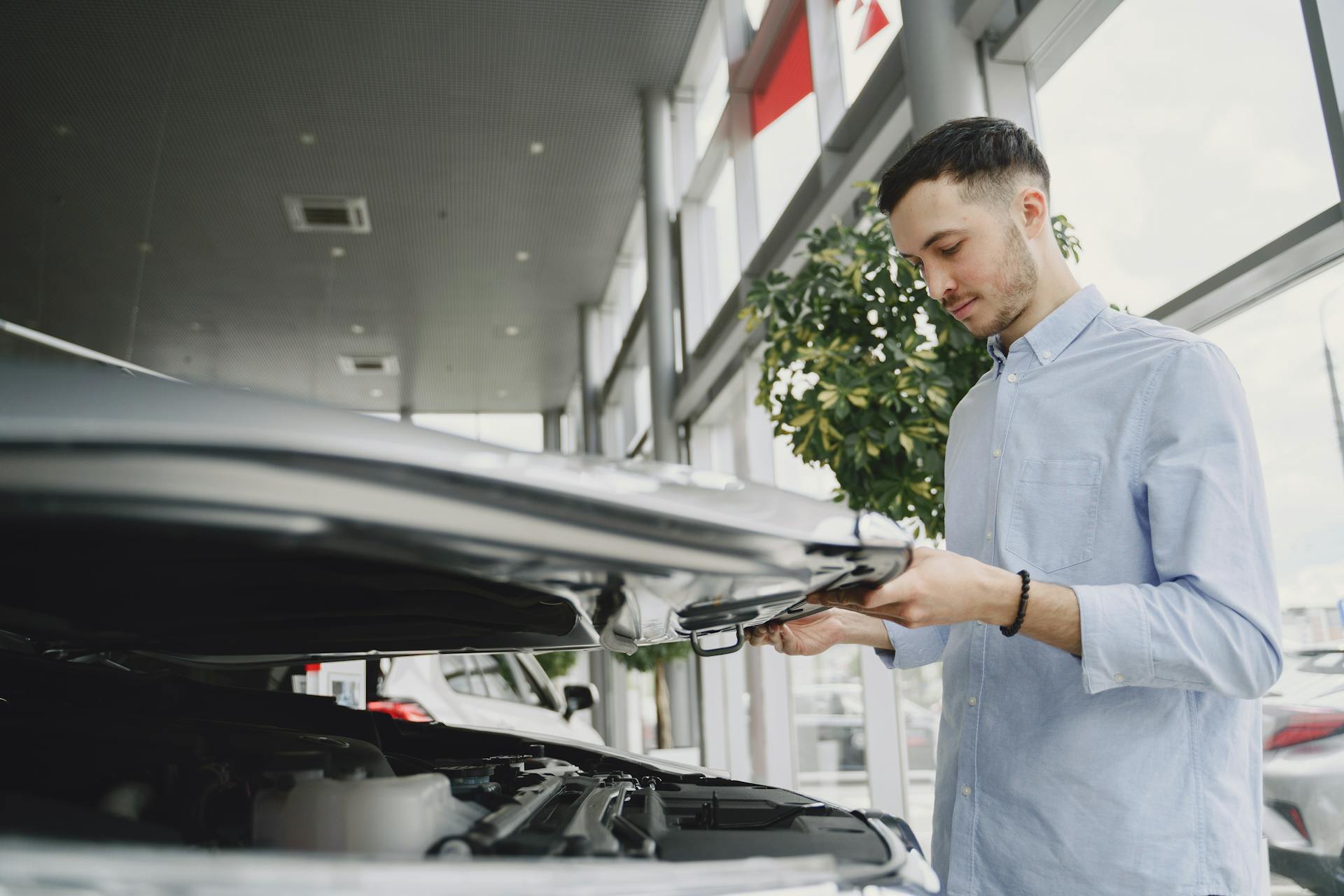
You may feel confident after taking a used car for a short drive around the block. The engine sounds fine, the brakes respond well, and everything appears normal. Still, many serious issues stay hidden until a trained mechanic looks closely under the hood and beneath the vehicle.
A professional prepurchase car inspection service can uncover problems you would probably never notice yourself. Oil leaks, suspension damage, worn components, previous accident repairs, and transmission concerns are not always visible during a casual inspection. Sellers can clean up a car so well that even major warning signs stay hidden from an untrained eye.
You might hesitate to spend extra money on an inspection when you already plan to buy the car. But paying a mechanic before signing the papers can protect you from much larger expenses later. It can also give you leverage during negotiations if repairs are needed.
Many buyers regret skipping this step because they trusted appearance alone. A car can look polished outside while hiding costly mechanical trouble underneath.
Ignoring the Vehicle History Report
You should never assume a clean-looking car has a clean past. Some vehicles have been involved in serious accidents, flood damage, or title disputes that are not immediately obvious during an in-person visit. That is why checking the vehicle history report is such an important part of the buying process.
A report can reveal details about previous ownership, accident records, mileage inconsistencies, and maintenance history. You may discover that the car changed hands several times within a short period, which can point to ongoing problems. You could also find signs of odometer tampering or insurance write-offs that the seller never mentioned.
Flood-damaged vehicles are another major concern. Water damage often causes electrical issues that appear months later and become difficult to repair. Without reviewing the history report, you may not realize the car was previously affected by severe weather.
Buying Based on Looks Alone
You can easily get distracted by shiny paint, upgraded wheels, or a spotless interior. Sellers know presentation influences buyers, so many vehicles are cleaned and polished to create a strong first impression. While appearance does matter, it should never become the main reason you choose a used car.
A vehicle can look excellent while hiding worn brakes, engine issues, or neglected maintenance. Some sellers spend money improving cosmetic details instead of fixing mechanical problems because appearance helps attract buyers faster. Fresh seat covers and air fresheners do not guarantee reliability.
You should pay close attention to the condition of the tires, the engine bay, and signs of uneven wear inside the vehicle. Even small clues can reveal how the car was treated over the years.
Rushing Through the Test Drive
You should never treat the test drive like a quick formality. Many buyers spend more time scrolling through listings online than actually driving the vehicle before buying it. That short drive is your chance to notice problems that may not appear while the car is parked.
You need to pay attention to how the steering feels, how smoothly the brakes respond, and whether the transmission shifts properly. Strange vibrations, delayed acceleration, or unusual noises can point to issues that require expensive repairs later.
Driving in different conditions also gives you a better understanding of the vehicle. A car may feel fine at low speeds but reveal suspension or alignment problems once you reach the highway. Turning corners, reversing, parking, and testing the brakes properly can reveal details you would otherwise miss.
Forgetting to Research Ownership Costs
You may feel satisfied after negotiating a good deal on a used car, but the expenses do not stop once you leave the lot. Many buyers focus so heavily on the purchase price that they forget to look into what the vehicle will actually cost to own every month. That is where regret often begins.
Insurance can vary far more than expected, depending on the model you choose. A sporty car with a low sticker price may come with expensive premiums that stretch your budget. Fuel economy can also make a huge difference, especially if you drive long distances every day. A vehicle that burns through gas quickly can quietly eat away at your finances week after week.
Maintenance costs deserve just as much attention. Some cars require specialized parts or premium servicing that costs much more than standard repairs. Even simple fixes can become expensive if the vehicle has a reputation for reliability problems. You should always spend time researching common issues connected to the make and model before making a decision.
A used car should make your life easier, not turn into a constant financial drain.
A used car purchase can either feel rewarding or become a lesson you wish you never had to learn. The difference usually comes down to how carefully you approach the decision before handing over the keys to your money. When you stay patient, ask questions, and pay attention to details that others ignore, you put yourself in a much stronger position. A car should give you confidence every time you drive it, not constant doubts about what could go wrong next.