If you have been searching for a relaxing hobby that does not involve a screen and that you will actually stick with, the following guide breaks down four beginner-friendly options designed to fit effortlessly into your everyday routine.
The best screen-free hobbies you will not quit include knitting or crochet, short-form journaling, puzzle building, and simple indoor gardening.
These activities require minimal setup and offer immediate mental relaxation without draining your energy.
These easy hobbies for adults work by bypassing the steep learning curves and expensive gear requirements. Skipping these barriers prevents people from abandoning new interests quickly.
It is a familiar end to a long day with your phone in hand. You find yourself mindlessly swiping through content that is not satisfying anything whatsoever.
Screen fatigue is real, but most hobby advice arrives with a heavy side of ambition and pressure.
These four options are chosen specifically because they ask almost nothing at the start and reward your effort almost immediately.
1. Portable and Soothing Fiber Arts
There is a distinct sensory appeal to fiber arts that beginners naturally love. The rhythm of a repeated stitch and the steady hand motions settle a restless mind more reliably than passive scrolling.
No ambitious project is required to start, since a basic garter stitch scarf is a completely satisfying entry point.
The startup cost sits comfortably around twenty dollars for a pair of needles and one skein of medium-weight yarn.
As one of the most accessible beginner craft ideas, the learning curve is exceptionally gentle. Just one basic stitch and a short video tutorial are enough for your hands to learn the motion within a single evening.
The repetitive movement naturally calms anxiety right from the start. This makes it one of the best stress-relieving hobbies for busy adults who only have small pockets of time.
However, the quiet reason many people abandon new hobbies is setup friction. When supplies are scattered around the house, the small effort of reassembling everything makes reaching for your phone easier.
The makers who stick with this hobby the longest keep everything together in one organized place.
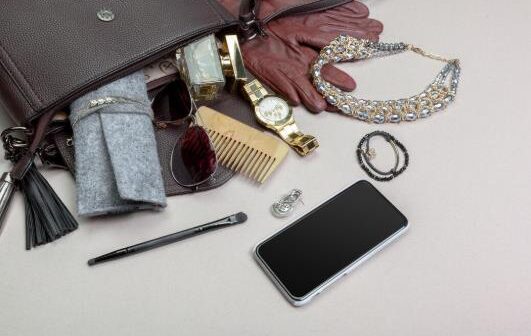
Using a dedicated organizer, such as a premium artisan-crafted knitting bag from Thread and Maple, an upcycled makeup pouch, or a standard backpack, keeps tools neatly corralled.
Whether you use a premium organizer or a generic zippered case, the principle is the same.
Having a frictionless setup ensures your project is always portable, organized, and ready to grab at any time.
This simple organization hack makes it effortless to choose crafting over screen time. You will naturally reach for your project when it requires zero setup effort.
| Pro Tip: Keep your knitting or crochet supplies in one dedicated bag to eliminate setup friction. A grab-and-go system makes crafting as effortless as scrolling through your phone. |
2. Simple Pen and Paper Escapes
It is time to dismantle the highly curated and intimidating version of journaling. There is no need for elaborate bullet journals, hand-lettered daily layouts, or a daunting commitment to deep self-examination.
The most sustainable version of this hobby takes almost no time at all. In fact, you should aim to write for only about five minutes to focus purely on expressing your thoughts.
The startup cost is practically zero, requiring only a spare notebook from your desk. The learning curve is entirely nonexistent since there is no wrong way to write sentences that only you will read.
Putting anxious thoughts onto paper quickly builds a small mindfulness ritual. This creates a quiet sense of having done something intentional before the day ends.
For busy people, dedicating a few moments before bed or during a lunch break is genuinely enough time.
Picture tea steeping and a notebook open, with three sentences written before the cup is cool.
That is the entire practice, and absolutely nothing more is required to succeed. It is perfectly fine to write a single line if that is all the energy you have.
| Key Insight: You don’t need elaborate bullet journals or hours of deep writing. Just three sentences a day, in any notebook, can create a calming mindfulness ritual. |
3. Slow and Satisfying Puzzle Building
While puzzles have certainly seen a resurgence recently, their real draw lies in their timeless sensory appeal.
This is a remarkably quiet activity with zero performance pressure and absolutely no audience to judge your progress.
The satisfaction is simple, tactile, and immediate. You get the soft snap of a piece fitting perfectly into place while an image slowly emerges.
To get started, you will likely spend around twenty dollars for a high-quality puzzle. They are even cheaper if purchased secondhand or borrowed from a local community swap.
The learning curve is entirely instinctive, requiring no instructions, no online tutorials, and no wrong approach.
Furthermore, jigsaw puzzling taps multiple cognitive abilities and is a potential protective factor for cognitive aging over time.
As one of the most reliable stress-relieving hobbies, the meditative focus occupies your hands entirely.
It actively quiets the background noise of notifications and endless obligations. It fits perfectly into a busy schedule because fifteen minutes a day adds up steadily over a week.
Spending just a few moments fitting pieces together allows you to see tangible progress without any real time commitment.
4. Small-Scale Indoor Green Therapy
Forget the sweeping backyard garden full of raised beds and heavy digging equipment. You can completely bypass the need for a yard, specialized tools, or deep botanical expertise.
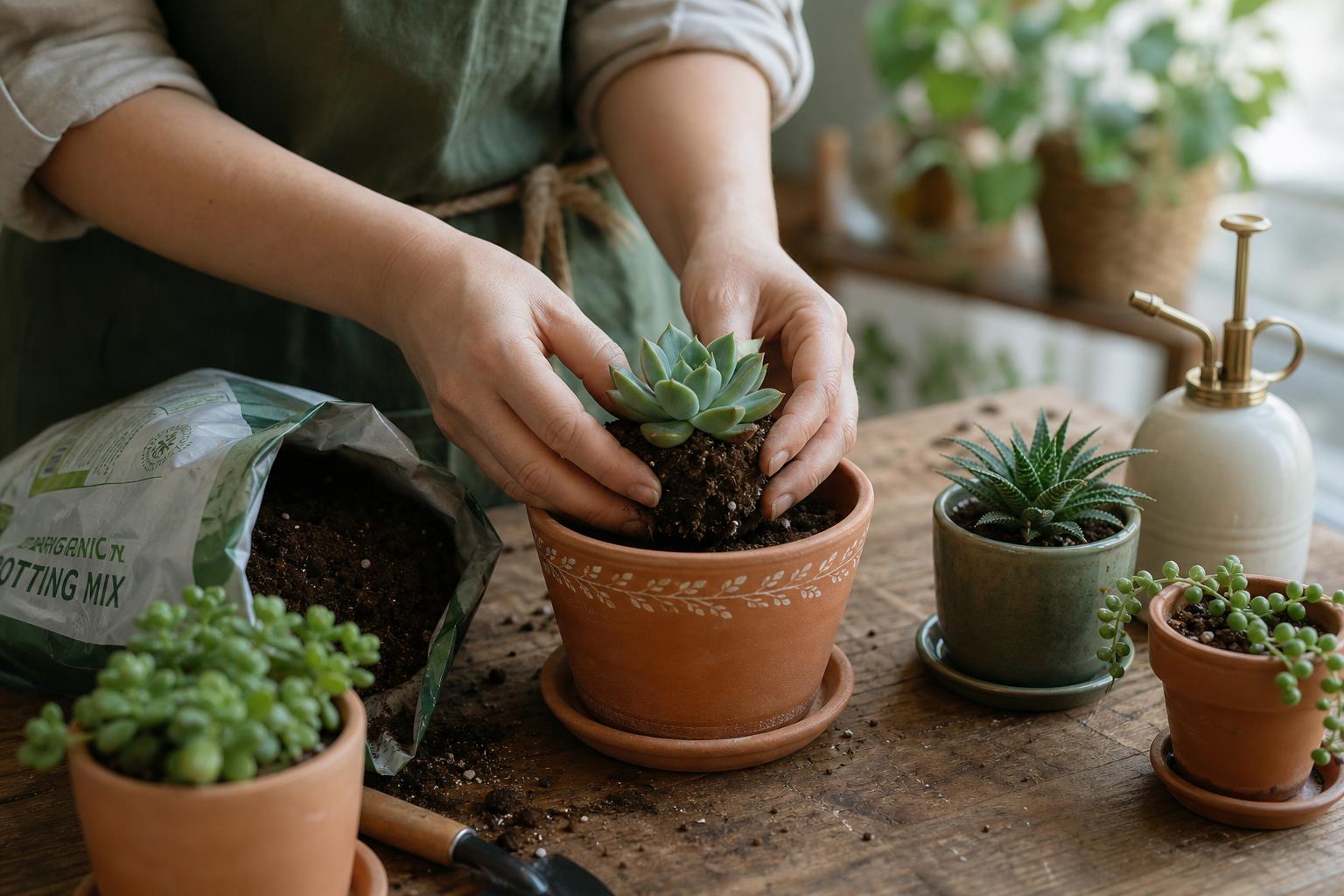
A single pot of basil on the kitchen counter or a hardy succulent sitting on a windowsill is valid gardening.
Tending to something living quietly counters the flat, disconnected feeling that screen overuse often creates.
Starting requires minimal investment for a small plant, a basic pot, and a bag of standard potting mix.
The learning curve is incredibly forgiving if you choose resilient varieties like pothos, mint, or snake plants.
These plants are naturally designed to survive beginner attention and thrive indoors with minimal effort.
Caring for a plant connects your daily focus to a visible cycle of growth and natural rejuvenation. The mood lift that comes from watching new leaves emerge is consistently disproportionate to the tiny effort required.
Daily care often takes under a minute. Spotting a new leaf unfurling while your morning coffee brews is an incredibly reliable small win.
The Bottom Line
Choosing the right activity requires a shift in perspective. The best hobby is not the most impressive one, but the one that asks the absolute least of you at the beginning.
Embrace imperfect, brief sessions because five minutes count, one single row of stitches counts, and writing one sentence counts.
Having your chosen activity waiting for you makes it incredibly easy to step away from your phone completely.
Whether you are exploring beginner craft ideas or looking for easy hobbies for adults, permit yourself to start small. Your hands already know what to do, so simply pick the activity that feels effortless right now.
| Author Profile: Thread & Maple is the leading supplier of artisan-crafted leather bags and organizational carriers for knitters, crocheters, and fiber artists, with accessories that beautifully complement their core collection. |