Themed festivals and cosplay weekends are growing rapidly as popular social outings, leaving many first-time attendees overwhelmed by outfit planning.
By following foundational styling principles, you can easily build comfortable, photogenic medieval festival fashion without needing advanced sewing skills or a massive budget.
As seasonal fairs approach, social feeds inevitably fill up with friends looking effortlessly historical in their perfectly draped tunics and cloaks.
For anyone attending their first event, this often triggers a quiet anxiety about outfit preparation.
The fear of landing somewhere between a shiny, generic costume-shop outfit and a historically unrecognizable mishmash is a common friction point.
The good news is that great medieval styling is built on intentional layering, not historical perfectionism.
You do not need to be a master seamstress or an academic historian to create a believable, lived-in look. Focus on building a foundation that feels incredible to wear.
1. Choose A Character Direction First
The most common mistake first-timers make is picking up random old-fashioned items without a unifying direction.
This approach produces a look that reads as scattered rather than storied. Before acquiring a single garment, choosing a loose character type acts as an incredibly useful shopping filter.
Having a creative anchor makes every subsequent styling decision much easier and prevents budget-draining impulse buys.
Consider simple archetypes like a tavern keeper, a wandering merchant, a forest guard, or a low-ranking noble. When you apply this filter, your options narrow beautifully.
A noble leans into jewel colors, velvet textures, and structured silhouettes. If you prefer a battle-ready aesthetic, exploring visual references helps solidify your character’s foundation.
For those leaning toward a heavy infantry or knight archetype, reviewing historically accurate medieval armor from Medieval Collectibles alongside museum archives reveals the specific historical shapes needed.
Meanwhile, a tavern keeper simply favors worn textures, practical aprons, and rolled sleeves.
Remember that this is not about conducting rigid historical research. It is simply about giving your outfit a sense of purpose.
When seeking beginner costume tips, starting with a clear archetype is the fastest way to generate cohesive Renaissance fair outfit ideas.
| Key Insight: A simple character archetype, like a ranger or merchant, provides a creative anchor that filters choices and saves you from a disjointed costume. Spend 10 minutes defining yours before opening a browser. |
2. Build Base Layers For Comfort
Medieval silhouettes fall and drape quite differently from modern cuts, and the base layer is where the look either earns its credibility or immediately loses it.
When figuring out exactly what to wear to a Renaissance fair, start with foundation garments you might already own or can find inexpensively.
For the top half, a loose, natural-fiber shirt made of lightweight cotton is ideal.
Flax is used to make linen, which ranks among the oldest textile fibers and works perfectly for these historical looks.
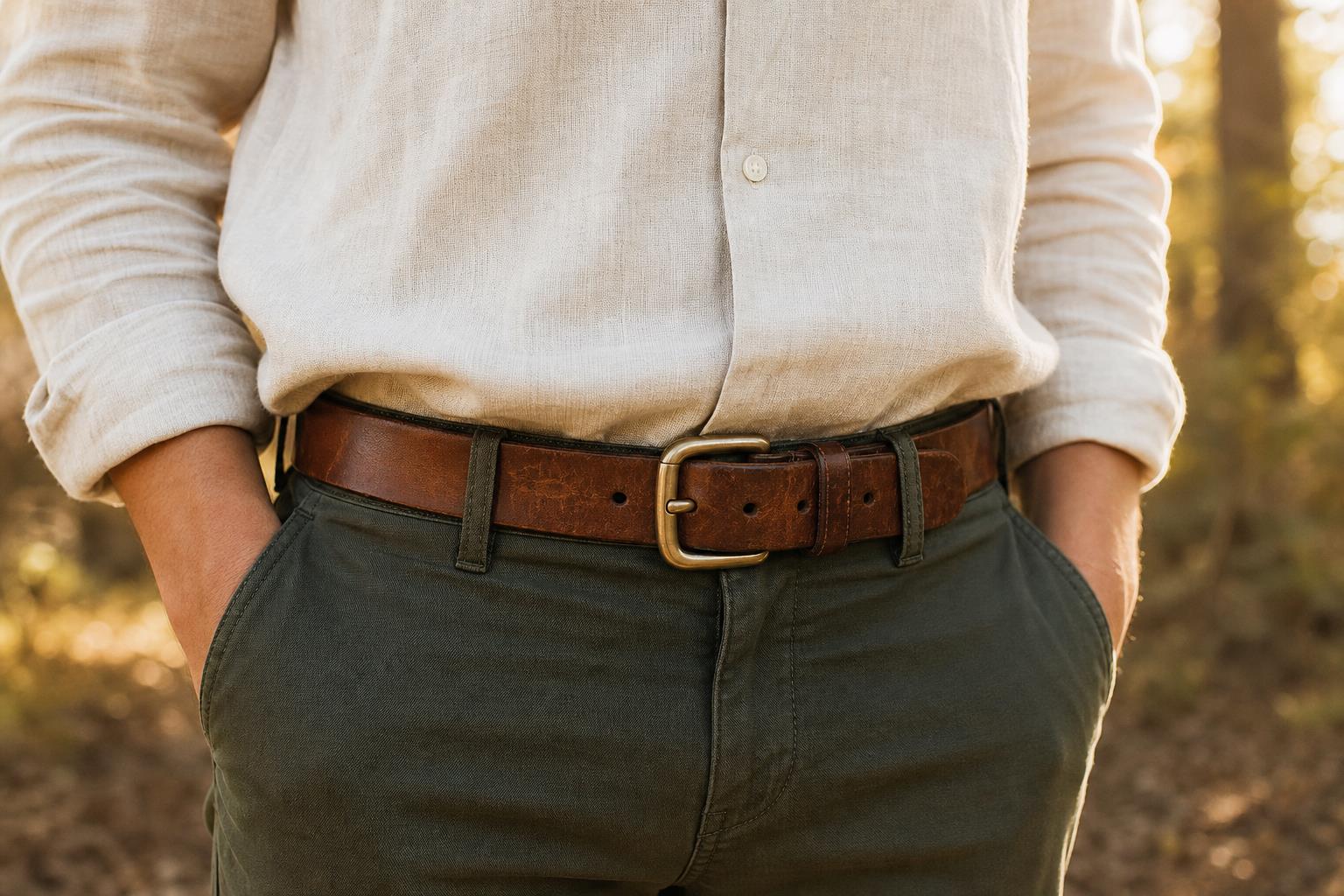
These fabrics are highly breathable, offer excellent texture, and instantly feel rustic. A standard peasant blouse or an oversized button-down shirt with the collar band open works perfectly without requiring any alterations.
For the bottom half, slim-fit neutral chinos or heavy matte leggings provide a fitted leg silhouette that reads beautifully as historical hose.
Alternatively, a long maxi skirt in burgundy, forest green, or deep blue delivers a classic, feminine silhouette with zero effort.
It is crucial to reframe comfort as a form of historical logic. Medieval people needed to move, work, and endure long days in the elements, meaning comfort and authenticity are allies rather than opposites.
Furthermore, natural textures photograph much better than shiny synthetics and will keep your medieval festival fashion looking graceful through an entire day of walking, sitting, and celebrating in the sun.
| Pro Tip: Comfort and authenticity aren’t enemies, as medieval people moved and worked all day. Choose breathable linen and cotton, because natural textures also photograph far better than shiny synthetics. |
3. Layer Statement Pieces For Dimension
Layering is the visual technique that separates a flat, unconvincing costume from a believable, lived-in character.
By adding depth and suggesting a personal history, layering makes a single outfit read as part of a complete world.
Best of all, executing brilliant Renaissance fair outfit ideas through layering does not require a sewing machine. For feminine silhouettes, an open-front over-dress or surcoat is a classic choice.
You can easily achieve this with a thrift store approach. Find a long, sleeveless dress, carefully open the center front, hem the raw edges, and add simple ribbon or cord loops to lace it over your base layer.
Fulled woolens are practically indestructible and last for generations, making them highly prized during the medieval period for outer garments.
For all character directions, a dark cloak or a hooded mantle remains the single most versatile layering piece available.
A draped cowl adds immediate visual weight around the neck and shoulders without causing overheating.
Meanwhile, a belted tunic layered over fitted chinos transforms a modern base into a highly legible fantasy character.
One of the best beginner costume tips is to use layers practically so they allow you to easily adjust your comfort level as the festival transitions from a chilly morning to a warm afternoon.
4. Select Durable And Practical Accessories
Accessories represent the final styling tier that completes your transformation. The right accent pieces shift the entire read of an outfit, taking you from a modern person in a costume to a wandering character inhabiting a festival space.
The single most transformative accessory is a wide leather ring belt.
A proper belt cinches loose tunic fabric, creates a defined waist, emphasizes the character’s physicality, and provides highly functional space to tuck away a modern phone or wallet.
Working alongside the belt, a pair of rugged bracers offers low effort with high visual impact. Simply pairing a linen tunic with a belt and bracers immediately sharpens your silhouette and signals that your outfit was an intentional choice.
Elaborate embellishments can also be incorporated into these pieces for noble characters.
Animal-based metal threads were largely used between the tenth and fifteenth centuries to decorate high-status textiles and cloth.
As enthusiasts often discover when they are ready to close the gap between a styled base outfit and a fully convincing character, structural pieces add tremendous visual authority.
Integrating items like leather pauldrons, steel gorgets, or detailed bracers elevates a guard or knight archetype without requiring the investment of a full suit of plate.
Finally, ground the outfit with appropriate footwear. Leather ankle boots, tall riding boots, or clean dark flats are excellent choices.
If you must wear modern sneakers for orthotic support, simple leather or faux-leather boot covers serve as an easy, practical workaround.
| Pro Tip: Your most transformative accessories are a wide leather belt and rugged bracers. They cinch, define, and sharpen your silhouette instantly, proving your look is intentional. |
The Bottom Line
Rather than thinking of your clothing as a one-off purchase, reframe it as a reusable character kit. A breathable tunic, a sturdy belt, a sweeping cloak, and one standout accessory form a versatile foundation.
This combination works beautifully for a summer fair, an autumn Halloween party, a themed wedding, or a local cosplay meetup.
When curating your medieval festival fashion, remember that confidence and intentionality always matter more than strict historical precision. No one at the festival is checking credentials, as they are there to share an immersive, joyous world.
Pick a character direction today, pull out a comfortable base layer, and begin building your look. With these beginner costume tips in hand, executing authentic Renaissance fair outfit ideas becomes a simple, stress-free creative process.
| Author Profile: Medieval Collectibles is the leading online retailer of authentic medieval replicas and fantasy collectibles for history enthusiasts, reenactors, and collectors worldwide. |