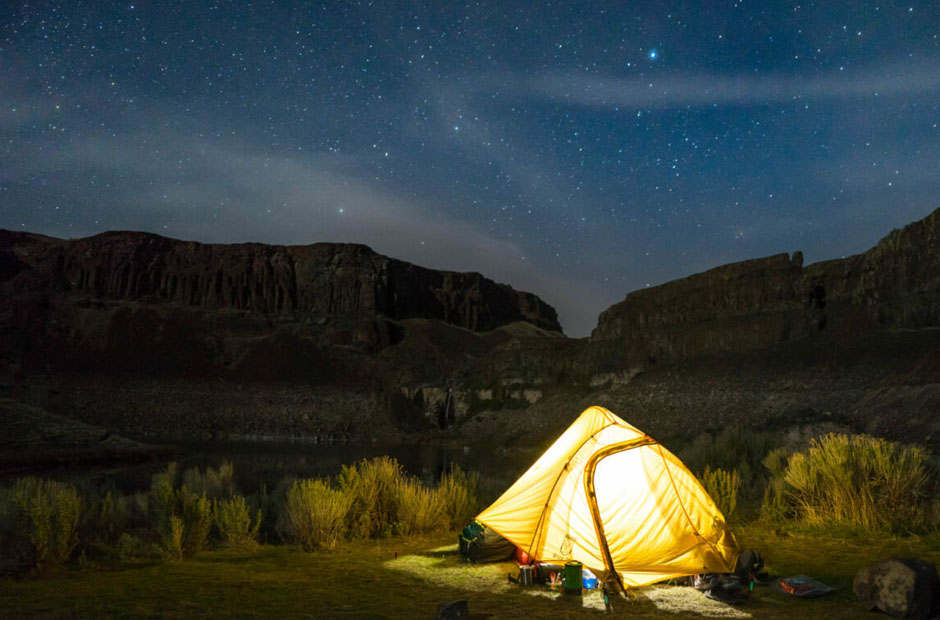
So a buddy of mine drove four hours to a campsite last summer, unloaded his truck, and realized he’d packed two camp chairs but no sleeping bag. True story. He slept in the truck with a beach towel. And honestly? That’s not even the worst gear mistake people make. At least he had shelter.
Most camping disasters aren’t weather or wildlife. They’re just… packing badly.
The Knife Situation
Nobody thinks about this until they’re at camp trying to cut paracord with a car key. Or hacking at kindling with a butter knife from the cooler. It’s almost comical how often people will spend hundreds on a tent and then grab whatever dull blade is rattling around in a kitchen drawer.
Experienced outdoors people have been talking up the benefits of a fixed blade for a while now, and it’s not hard to see why. No hinge collecting grit. No lock mechanism that could fail when your hands are wet. Just a solid piece of steel that does what you need it to. Folders have their place, sure, but for splitting kindling or prepping food at camp? Not ideal.
The National Park Service lists a knife as one of ten essentials for any outdoor trip. Not “recommended.” Not “nice to have.” Essential. That word does a lot of heavy lifting.
Packing Like You’re Moving House
This one’s almost universal with beginners. Four-person tent for two people. Air mattress that needs a power outlet to inflate. A camp cot that weighs thirty pounds. Three changes of clothes per day “just in case.”
Look, there’s a difference between being prepared and relocating your bedroom to the woods. The tent marketing is partly to blame here, because a “four-person tent” realisticaly fits two adults and their gear. Maybe. If nobody moves at night. Which, good luck with that.
A simple tent, a decent sleeping pad, and a bag rated for the temps you’ll actually encounter. That’s the list. Everything else is negotiable.
Cotton Is Not Your Friend
Outdoors people have a saying. Cotton kills. It sounds dramatic but there’s real truth behind it. Cotton soaks up moisture, takes forever to dry, and pulls heat away from the body when it’s wet. Wearing a cotton hoodie on a cool night feels fine until it gets damp from sweat or drizzle, and then it’s just… cold wet fabric clinging to you for hours.
The alternative isn’t complicated or expensive. Synthetic or merino wool base layer. A fleece or puffy jacket for insulation. Some kind of rain shell on top. Three layers, done.
And socks. Bring extra socks. Bring more than you think is reasonable. Nobody in the history of camping has ever complained about having too many dry socks.
Your Phone Is Not a Flashlight
The Trash Problem Nobody Mentions
Here’s the unglamorous one. Nobody posts about this on social media, but waste management at a campsite separates a decent trip from a genuinely bad one. Food wrappers pile up fast. Dish soap gets forgotten. Scraps attract raccoons (or worse) at three in the morning.
Anyone planning a family outdoor trip needs to think about this stuff before leaving home, not after the first meal when garbage is already accumulating on the picnic table. One dedicated trash bag. A small bottle of biodegradable soap. A collapsible jug for wash water. Takes up barely any room in the car.
The Leave No Trace principles are worth reading through at least once. Pack out what you pack in. It’s simple, and yet entire campgrounds get trashed every summer because people just… don’t.
Anyway. Most of this stuff gets figured out after one or two trips. The outdoors is a pretty efficient teacher that way.



Well. It is. Technically. But it’s also your camera, your map, your emergency communication device, and the thing playing podcasts while you cook dinner. Burning through battery life using it as a flashlight for midnight bathroom trips is just… a bad plan.
Relying on a phone screen also leaves you with very little actual visibility when the sun goes down. A phone light only throws a weak beam a few feet in front of you, which makes it easy to trip over tent stakes or tree roots. Dedicated outdoor flashlights solve this problem by providing a much stronger beam that reaches far down the trail. These tools are built to handle rough weather and accidental drops on rocky ground. Having a reliable light source keeps your phone battery full for emergencies.
A basic headlamp is like ten bucks. Weighs nothing. Clip it to your bag and forget about it until dark. Side note, the red light mode on most headlamps isn’t a gimmick. It actually preserves your night vision and doesn’t draw insects the way white light does. Sounds made up. Isn’t.