Homes in Pensacola deal with a mix of heat, humidity, rain, and salt air for most of the year. Those conditions make everyday home issues harder to spot early. A strange smell in the hallway or a few bugs near the kitchen window may not seem urgent at first. Many homeowners assume a deep cleaning will solve the problem, so they scrub surfaces, open windows, and move on. Then the smell returns, the bugs keep showing up, or the same stain spreads across the ceiling again.
Some problems develop quietly behind walls, under flooring, or inside crawl spaces long before visible damage appears. Moisture builds slowly, pests settle into hidden areas, and small leaks create bigger repairs over time. Knowing what warning signs to take seriously can help you avoid expensive damage and make smarter decisions about your home before the issue gets worse.
Bug Activity That Keeps Returning
Seeing a few insects indoors during warm weather is common in Florida. Repeated pest activity in the same areas of your home tells a different story. Ant trails near sinks, roaches under appliances, or silverfish inside bathrooms usually point to moisture, food access, or hidden entry points that need attention. Surface cleaning helps temporarily, but pests return when the source remains untouched.
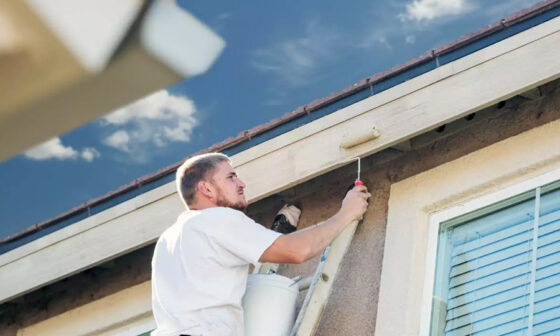
Most homes deal with year-round pest pressure because the climate stays warm and humid for much of the year. Small cracks around windows, damp crawl spaces, and clogged gutters create ideal conditions for insects and rodents. If you continue spotting pests after using sprays or traps, the problem likely extends beyond basic housekeeping. For pest control Pensacola homeowners turn to professionals who can identify hidden nesting areas, seal entry points, and create long-term treatment plans that actually address the source of the infestation.
Musty Smells That Never Fully Go Away
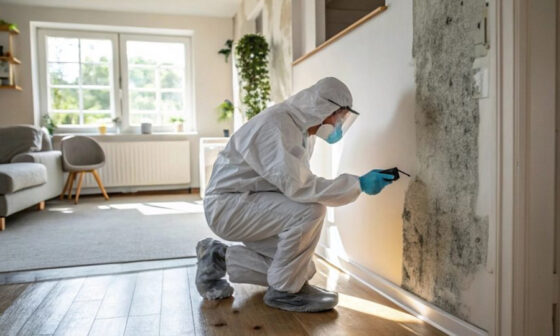
A lingering musty smell usually points to trapped moisture somewhere in the home. This often happens in bathrooms, laundry rooms, attics, and crawl spaces where humidity stays high for long periods. Many homeowners try air fresheners or deep carpet cleaning first, but odors caused by moisture rarely disappear for long. Mold and mildew thrive in dark, damp areas that people rarely inspect closely.
Pay attention to smells that become stronger after rain or when the air conditioner runs often. That can signal moisture behind drywall, under flooring, or around vents. A professional inspection may reveal roof leaks, poor ventilation, or plumbing problems that cleaning alone cannot fix. Ignoring the smell usually allows the moisture to spread further, which can damage insulation, wood framing, and indoor air quality over time.
Dust That Comes Back Too Fast
Some homes seem dusty again only a day or two after cleaning. That usually means the issue goes beyond normal household dirt. Air filters, ductwork, insulation, and humidity levels all affect how much dust moves through a home. Older homes often develop small air leaks around windows, attic spaces, and vents that pull outdoor particles inside throughout the day.
A struggling HVAC system can also circulate dust constantly if filters stay clogged or ducts contain buildup. Homeowners sometimes notice extra dust collecting near vents, ceiling fans, or furniture surfaces shortly after wiping them down. That can affect indoor air quality and make allergy symptoms worse indoors. Instead of cleaning more often, it helps to inspect the source of the problem. Sealing leaks, replacing filters regularly, and checking ductwork often make a noticeable difference throughout the house.
Floors That Feel Uneven or Soft
Soft or uneven flooring often develops gradually, so many homeowners adjust to it without realizing that something underneath has changed. Moisture damage is a common cause, especially in kitchens, bathrooms, laundry rooms, and entryways where water exposure happens more often. In humid areas, trapped moisture can slowly weaken wood subfloors and cause flooring materials to warp or separate.
You may notice boards shifting slightly when walking across them or feel certain spots dip under pressure. Tile floors can also loosen when moisture affects the surface underneath. Some homeowners assume older homes naturally settle over time, but soft flooring deserves closer attention. Plumbing leaks, crawl space humidity, or poor ventilation often create the conditions that damage flooring from below. Fixing the source early helps avoid larger structural repairs and prevents moisture from spreading into surrounding areas of the home.
Humidity That Feels Hard to Control
Many homeowners notice their house feels damp even when the air conditioner runs all day. Indoor humidity problems often point to ventilation issues, crawl space moisture, roof leaks, or poor airflow inside the home. Coastal humidity makes these problems harder to ignore because moisture stays trapped indoors longer. Rooms may feel sticky, towels may dry slowly, and condensation may appear on windows or vents.
Excess humidity creates the right conditions for mold, mildew, and pest activity. It can also damage wood furniture, flooring, and drywall over time. Bathrooms without proper exhaust fans often hold moisture long after showers end, while older homes may struggle with poor attic ventilation. If your home constantly feels humid despite regular cleaning and cooling, it makes sense to inspect the source instead of treating only the symptoms.
Paint That Starts Peeling Indoors
Peeling or bubbling paint inside a home usually points to moisture trapped beneath the surface. Bathrooms, kitchens, laundry rooms, and areas near windows often show the first signs because humidity levels stay higher there. Many homeowners repaint the affected area without checking where the moisture is coming from, which leads to the same problem returning within months.
When drywall absorbs moisture, paint loses its ability to stick properly. You may notice soft spots, discoloration, or uneven texture around the damaged section. Roof leaks, plumbing issues, and poor ventilation are common causes. High outdoor humidity can also affect indoor surfaces when airflow is limited. Paint problems near ceilings or upper walls deserve extra attention because they may indicate hidden leaks above the room. Addressing the moisture source first prevents repeated repairs and helps protect surrounding materials from further damage.
A clean home can still hide problems that slowly grow behind walls, under flooring, and inside crawl spaces. Many warning signs seem minor in the beginning, which makes them easy to ignore. Musty odors, recurring pests, soft flooring, indoor humidity, and peeling paint usually point to conditions that need more than surface-level cleaning.
Homeowners in Pensacola deal with year-round moisture and heat that can speed up damage inside a house. Paying attention to these early signs helps prevent larger repairs later and keeps small issues from turning into long-term problems. When something in your home keeps returning after cleaning, it usually means the source still exists somewhere nearby. A proper inspection can help you find the cause early, protect your property, and make your home healthier and more comfortable to live in year-round.