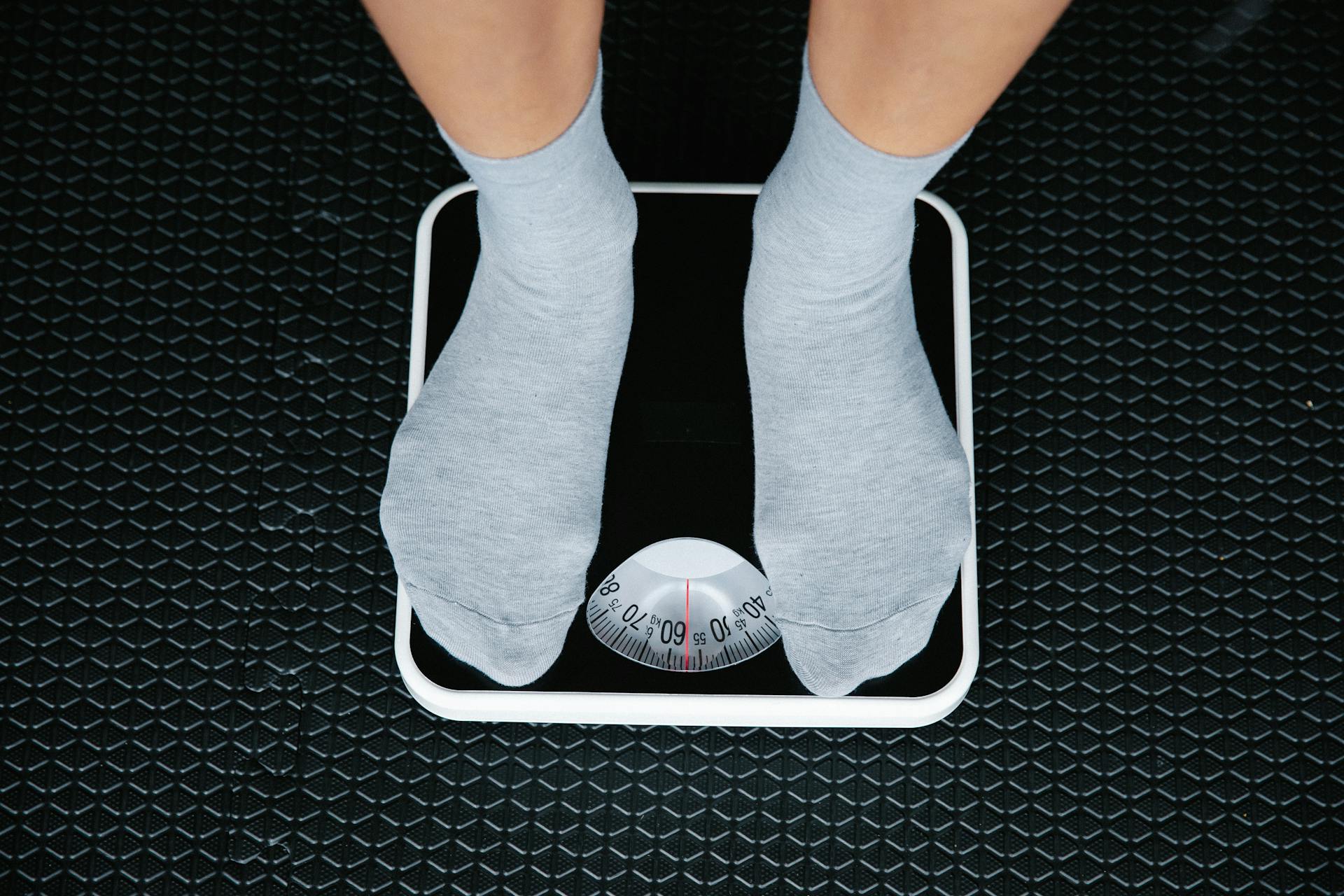
Weight loss gets complicated fast, doesn’t it? One week it’s strict dieting, the next it’s cutting carbs, and somehow nothing sticks for long. The real issue isn’t effort, it’s approach. Big changes feel exciting at first, but they’re hard to keep going. What actually works is simpler than most people expect—small, steady shifts in daily habits that don’t turn your routine upside down.
In Coral Springs, where nearly 30% of adults are dealing with obesity, this isn’t just a personal concern; it’s a community-wide pattern. Busy schedules, easy access to processed food, and less movement during the day all play a part. Fixing that doesn’t require extreme plans. It starts with how you eat, move, and manage your day.
Let’s talk about the kind of lifestyle changes that lead to real, lasting weight loss.
Make Regular Exercise a Priority
Movement isn’t optional when it comes to weight loss. The body needs regular activity to burn calories and stay efficient. Sitting for long hours slows everything down—metabolism, circulation, even energy levels. Adding movement back into the day keeps your system active and supports fat loss.
Coral Springs makes it easy to get outside. Parks, walking trails, and open spaces are perfect for running or jogging. That’s a great start, but it’s not always enough on its own. Structured workouts bring in strength training, which helps build muscle and improves how your body burns calories even at rest.
If you’re looking for a top gym Coral Springs has plenty of options with personal trainers who can guide you through proper routines. They help you stay consistent and avoid common mistakes. A mix of outdoor activity and gym training creates a stronger, more balanced approach to fitness.
Start Your Day with a Balanced Breakfast
Skipping breakfast might sound like a shortcut to cutting calories, but it often backfires. When the body goes too long without food, hunger builds up fast, and that usually leads to overeating later in the day. A balanced breakfast sets the tone early. It gives your body fuel and keeps energy levels steady through the morning.
The key is to mix protein, fiber, and healthy fats. Eggs with whole-grain toast, yogurt with fruit, or oatmeal with nuts—simple options that don’t take much time. These foods digest slowly, so you stay full longer and avoid constant snacking. When your morning starts right, cravings don’t take control by midday.
Focus on Portion Control Instead of Restriction
Cutting out entire food groups can feel effective at first, but it rarely lasts. Strict rules create frustration, and you might not follow them long enough. Portion control works differently. It allows flexibility while still keeping calorie intake in check.
You don’t have to give up your favorite meals. You just need to adjust how much you’re eating. Smaller plates, mindful servings, and paying attention to hunger cues all help. Eating slowly also plays a role. It gives your body time to signal when you’ve had enough, which helps prevent overeating without feeling deprived.
Stay Hydrated Throughout the Day
Water doesn’t get much attention, but it plays a big role in weight management. Dehydration often feels like hunger, so people end up eating when their body actually needs fluids. Staying hydrated helps control unnecessary snacking and keeps digestion running smoothly.
Drinking water before meals can also help with portion control. It creates a sense of fullness, which naturally reduces how much you eat. Replacing sugary drinks with water cuts out a large number of empty calories without any effort. Keeping a bottle nearby during the day makes it easier to stay on track.
Choose Whole Foods Over Processed Options
Processed foods are convenient, but they come with extra sugar, unhealthy fats, and additives that don’t support weight loss. They’re designed to taste good, not to keep you full. That’s why it’s easy to eat more than intended without feeling satisfied.
Whole foods work differently. Fruits, vegetables, lean proteins, and whole grains provide nutrients your body actually needs. They take longer to digest, which helps control hunger and keeps energy levels stable. Cooking at home more often also gives you better control over ingredients and portions. It doesn’t have to be complicated—simple meals with fresh ingredients are enough to shift your eating habits in the right direction.
Build a Consistent Sleep Routine
Sleep often gets pushed aside, but it has a direct link to weight control. When you don’t get enough rest, the body struggles to regulate hunger hormones. That’s when cravings for high-calorie foods start to show up more often, especially late at night.
A steady sleep schedule helps keep those signals in check. Going to bed and waking up at the same time each day keeps your body clock stable. It also improves energy levels, which makes it easier to stay active during the day. Aim for a calm routine before bed—less screen time, dim lighting, and a quiet space. Good sleep supports better decisions the next day, especially around food.
Manage Stress to Avoid Emotional Eating
Stress has a way of sneaking into eating habits. Long days, tight deadlines, or personal pressure can lead to quick comfort fixes, and food often becomes the easiest option. The problem is, emotional eating usually involves high-sugar or high-fat snacks that add extra calories without real hunger.
The solution? Find other ways to handle stress. Short walks, deep breathing, or even a few minutes of quiet time can help reset your focus. Staying active also helps release built-up tension. When stress is managed well, eating habits become more controlled, and decisions feel less impulsive.
Track Progress Without Obsessing Over the Scale
The scale doesn’t always tell the full story. Weight can fluctuate due to water retention, muscle gain, or even the time of day. Relying only on numbers can lead to frustration, especially when results don’t show up as quickly as expected.
It helps to look at other signs of progress. How your clothes fit, how much energy you have, or how consistent your habits are—these give a clearer picture. Tracking workouts, meals, or daily activity can also keep you focused.
Sustainable weight loss comes down to how well your daily habits work together. It’s not one action doing all the work—it’s the combination of better food choices, steady movement, proper rest, and clear routines. When these pieces start to align, the process feels less like a struggle and more like a natural part of your day.
There’s a certain ease that comes with structure. You’re not constantly deciding what to eat or whether to work out. Those choices become part of your routine, and that reduces stress around the whole process. Progress becomes something you manage, not something you chase.