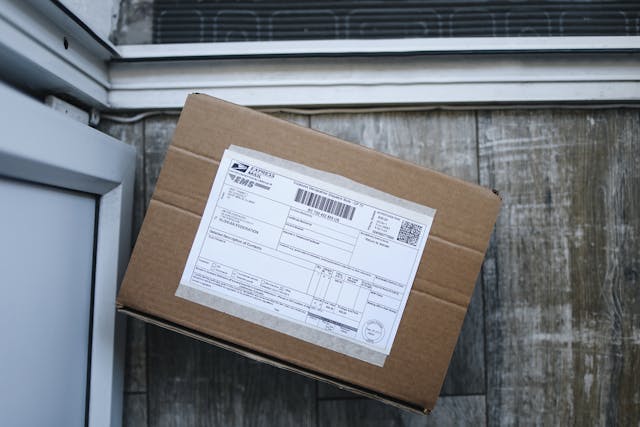
When deliveries come in, how you handle them shapes what happens next. Right after items reach your door, mistakes like delays or wrong records cause chaos down the line. Smooth check-ins mean fewer errors stacking products and faster service to buyers. Damaged boxes or late arrivals add cost and slow work. A clear workflow helps teams move safely while keeping shelves stocked. Good intake means less downtime, better tracking, then steady supply flow.
Why Shipment Management Is So Important
Shipment arrivals mark the starting point of your stock handling. When errors pop up at check-in, they tend to stick around – showing up later in shelving, pulling orders, even shipping out. Wrong numbers on hand might mean selling what you do not have. Items that arrive broken could still get sent to buyers. Products gone unrecorded? That throws off timing down the line.
Out of order comes structure when shipments are managed well. When companies track what arrives, they catch problems with suppliers fast – so time and effort stay focused. Mistakes like wrong items or late arrivals happen less often when steps are clear. Fewer errors mean fewer extra costs piling up.
Prepare Before Deliveries Arrive
Before any truck pulls up, smart receiving work is already moving. Staff act faster and clearer when they know what to expect. Confirm drop-off times with vendors ahead of time instead of waiting. When teams have arrival estimates, shifts get lined up, gear gets ready, one less bottleneck forms near the docks. Surprises at peak hours tend to ripple into slowdowns without warning.
Checking purchase orders early helps avoid surprises later. When deliveries come in, workers need clear info on what’s arriving. Quantity expectations must be shared ahead of time. Some items might need cold storage – this detail matters. Fragile items? They demand extra care during placement. Knowing these things before arrival keeps everything moving smoothly.
Put Safety First at Every Stage
Busy docks often see forklifts zipping past, giant loads shifting overhead, people rushing between trucks – it’s chaotic. Safety has to sit at the front of every decision made there. Anyone stepping into that space needs clear guidance on how to move items without strain, spot dangers before they strike, or operate tools correctly. When team members know exactly how to lift with care and handle gear the right way, harm slips further away.
Heavy gear like forklifts, pallet jacks, dock plates, gloves, and safety boots? Worth every dollar. Strain drops sharply when workers handle loads with proper tools instead of muscle alone. Efficiency climbs at the same time. Movement patterns inside a facility demand attention too. Keep foot traffic away from machine lanes whenever space allows it.
Inspect Every Shipment Carefully
No shipment should be accepted without inspection. Checking goods immediately on arrival helps businesses detect problems before stock enters inventory. Begin by comparing the delivery against the purchase order and packing slip. Confirm quantities, product descriptions, batch numbers, and labels. Even small discrepancies can cause future stock issues.
Next, inspect packaging and visible goods for damage. Look for crushed cartons, torn wrapping, water exposure, or broken seals. Any shortages, damage, or incorrect items should be documented immediately. Take photos, note concerns on delivery paperwork, and notify the supplier promptly. During this stage, efficient container unpacking procedures can help teams inspect stock faster while maintaining accuracy.
Use Technology to Improve Accuracy
Manual paperwork can slow receiving operations and increase the chance of errors. Especially when dealing with national compliance. Digital systems offer faster, more reliable solutions.
Barcode scanning is one of the most effective tools for modern receiving teams. Staff can scan incoming items directly into inventory systems, reducing manual entry mistakes and saving time. Warehouse management software also helps businesses match deliveries with purchase orders, assign storage locations, and track stock movement in real time.
Improve Storage and Put-Away Processes
Once goods are received, they should be moved into storage quickly and correctly. Poor put-away practices create clutter, confusion, and wasted labor.
Assign storage locations before shipments arrive whenever possible. Fast-moving items should be stored in easily accessible areas, while specialty products can be placed in designated zones.
Build Better Supplier Relationships
Strong communication with suppliers can significantly improve receiving performance. When suppliers understand your standards, deliveries are more likely to arrive correctly.
Share clear expectations regarding labeling, packaging, pallet sizes, booking procedures, and delivery windows. This reduces misunderstandings and delays. It is also wise to track supplier performance over time.
Final Remarks
Start smart when handling new stock – thought matters more than speed. Jumping ahead without a clear plan often leads to errors piling up later. Staying sharp each step of the way keeps things moving smoothly. Preparation before arrival day cuts down on surprises at the door. Safety first isn’t just talk – it shapes how teams move and act daily.