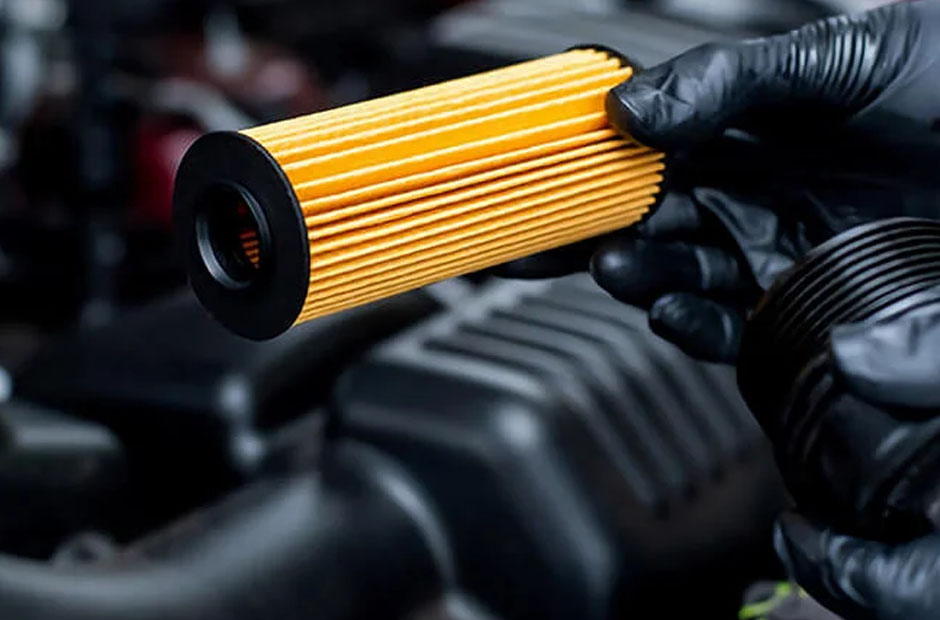
Engine health depends on more than timely oil changes. The filter plays a direct role in keeping the lubrication system clean, stable, and effective between services. A good oil filter helps reduce internal wear, supports smoother oil flow, and gives the engine a better chance of operating as intended over time.
Traps Harmful Contaminants
As engine oil circulates, it collects carbon deposits, metal particles, dirt, and other contaminants produced during normal operation. Without proper filtration, these particles can continue moving through the engine and come into contact with bearings, journals, and other precision components, increasing wear.
That is why filter quality matters. When drivers compare options such as the Ryco Z516 oil filter for engine protection, the real consideration is how effectively the filter can capture abrasive material before it continues circulating through the engine.
Helps Maintain Cleaner Oil
Oil does more than lubricate. It also assists with heat control, cleaning, and protecting moving parts from friction. When the filter is doing its job properly, the oil stays cleaner for longer, which helps it perform these functions more consistently throughout the service interval.
Cleaner oil also reduces the chance of sludge building up inside the engine. Oil sludge can restrict flow, affect efficiency, and place extra strain on components that rely on a steady supply of clean lubricant. A working filter helps limit this gradual build-up before it becomes a bigger problem.
Supports Consistent Oil Flow
An engine needs oil to move through narrow passages at the correct pressure and volume. A properly functioning filter supports this process by screening out contaminants without unnecessarily restricting flow. That balance is important because both poor filtration and poor circulation can create mechanical problems.
If a filter is low quality, damaged, or heavily clogged, oil delivery may become less consistent. That can affect parts that depend on reliable lubrication, especially during higher load conditions or repeated stop-start driving. Stable oil flow helps the engine operate more smoothly and reduces avoidable stress.
Reduces Wear on Internal Components
Internal engine parts operate under high heat and constant friction. Components such as camshafts, pistons, and crankshaft bearings rely on a clean film of oil to prevent metal-to-metal contact. When contaminants remain in the system, that protective layer becomes less effective.
Over time, even fine particles can contribute to gradual wear. This is especially important in modern engines, where tighter tolerances leave less room for contamination. By removing harmful material from circulation, the oil filter helps preserve surfaces that are expensive and difficult to repair once damage sets in.
Improves Cold-Start Protection
A large amount of engine wear can happen during a cold start, when the oil has not yet reached full circulation and critical components are briefly more exposed to friction. The filter supports this stage by helping the lubrication system respond properly as oil begins moving through the engine after ignition.
Many filters are designed with features such as an anti-drain back valve, which helps stop oil from draining out of the filter when the engine is off. This can support quicker oil delivery during a cold start and reduce the time that critical components spend without full lubrication, especially after the vehicle has been parked overnight.
Helps Extend Overall Engine Life
Better engine health is usually the result of consistent small protections rather than one major fix. Clean oil, controlled contaminant levels, and dependable flow all work together to reduce strain across the engine over time. The filter is one of the simplest parts in the system, but its role is central.
Ignoring filter quality or delaying replacement can undermine the benefit of a fresh oil change. Keeping the filter in good condition helps support long-term reliability, steadier performance, and lower risk of premature wear. For everyday drivers, that makes oil filtration a practical part of protecting the engine rather than just a routine service item.
Why This Small Part Matters More Than It Seems
Oil filters support better engine health by trapping contaminants, keeping oil cleaner, maintaining flow, reducing internal wear, improving start-up protection, and helping the engine last longer. For any vehicle owner buying parts online, understanding that role makes it easier to choose components that support reliable, day-to-day performance rather than treating the filter as an afterthought.