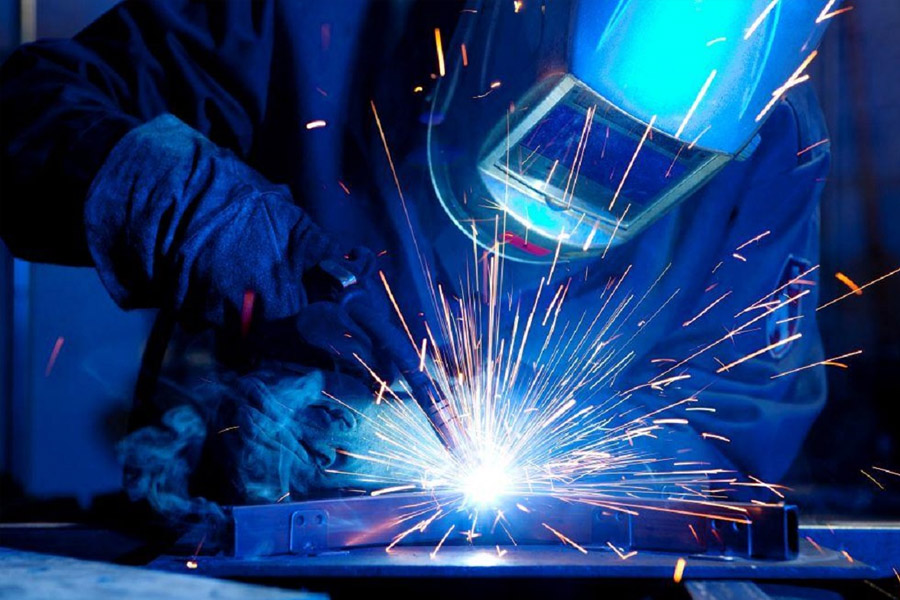
Maximising efficiency in welding processes is crucial for industries looking to optimise performance and reduce costs. Utilising the right welding gases can significantly enhance welding efficiency. Industrial welding gases influence the aesthetics of welds, the rate of welding, as well as the overall cost-effectiveness of the operation.
The Role of Welding Gases in Efficiency
Welding gases play a critical role in determining the quality and speed of welding. Different gases are suited to various materials and methods, influencing mechanical properties and finish of the final product. By choosing the appropriate gas, manufacturers can achieve stronger, more consistent welds.
Types of Industrial Welding Gases
Commonly used industrial welding gases include argon, carbon dioxide, and oxygen. Each gas offers unique properties; for instance, argon provides a stable arc and deep penetration, while carbon dioxide is cost-effective and delivers good welds on steel. The composition of gases like Coregas 5/2 blends them to maximise benefits across different welding conditions.
The Benefits of Argon
Argon is a popular welding gas known for producing a consistent and smooth finish. Its inert nature makes it ideal for welding non-ferrous metals such as aluminium and titanium.
The Efficiency of Carbon Dioxide
Carbon dioxide is utilised often in steel welding. It is less expensive compared to other gases and provides deep penetration, which is vital for thicker steel components. However, it can produce a less smooth finish compared to argon.
The Use of Mixed Gases
Mixtures such as Coregas 5/2 are tailored to specific welding needs, taking advantage of multiple gases. These mixtures can improve arc stability, reduce spatter, and enhance overall productivity.
Implementing Best Practices for Efficiency
Optimising welding efficiency requires not only the right choice of gases but also implementing best practices in handling and application. Ensuring proper gas flow rates, pressure settings, and maintaining equipment can further improve efficiency and weld quality.
Maintaining Equipment
Regular maintenance of welding equipment ensures that gases are utilised effectively. Leaks, obstructions, or malfunctions can severely impact welding performance.
Monitoring Gas Flow and Pressure
Consistent monitoring and adjustment of gas flow and pressure can lead to significant improvements in weld quality and operational costs.
Training and Safety Considerations
Proper training on the use of welding gases and safety considerations is essential to maximise efficiency. Understanding the properties and applications of different gases ensures their effective use while maintaining safety standards.
Safety Protocols
Adhering to safety protocols when handling welding gases is critical. Appropriate storage, handling procedures, and use of personal protective equipment should be enforced at all times.
By integrating the right Coregas products and practices, industries can achieve significant enhancements in welding efficiency. This not only supports improved output quality but also contributes to resource conservation and cost reduction across operations.