Taking care of your teeth sounds simple on paper, yet most people get at least a few things wrong without realizing it. Oral health is one of those areas where small, everyday habits add up over the years, and the damage often shows up long after the mistake was made. Whether you brush religiously or tend to forget about the dentist until something hurts, good intentions alone are not enough. What matters is whether the routine you follow actually works for your teeth and gums. In Thornton, understanding where things typically go wrong is the first step toward a healthier, longer-lasting smile.
Dental care is not just about avoiding cavities. It shapes how you eat, how you speak, and how confident you feel in everyday conversations. The good news is that almost every common mistake has a simple fix once you know what to watch for.
Looking After Your Smile with Professional Support
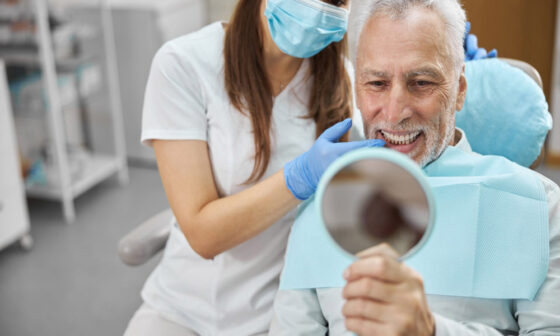
Home care is the foundation of oral health, but it has its limits. Some concerns, such as stubborn discoloration, uneven enamel, or early signs of gum issues, need trained hands to address properly. This is where local dental professionals come in, offering treatments that go beyond what you can manage with a toothbrush and floss alone. For those seeking a brighter smile, professional teeth whitening in Thornton can help remove years of staining from coffee, tea, or simple aging without the guesswork that comes with store-bought kits.
Beyond cosmetic care, regular visits allow a dentist to spot problems early, when they are still small and manageable. Waiting until something aches usually means the issue has already progressed. Making dental visits part of your routine, rather than a last resort, changes the entire picture of your oral health.
Brushing Too Hard and Expecting Better Results
One of the most widespread habits that damages teeth is aggressive brushing. Many people believe that scrubbing harder means cleaner teeth, but the opposite tends to be true. Pressing down with force wears away the outer protective layer of your teeth and can push your gums back over time, exposing the sensitive areas underneath. This often leads to discomfort when eating cold or hot foods, and in some cases, even a reaction when breathing in cool air.
The fix is surprisingly easy. Use a soft-bristled brush and let the bristles do the work with gentle, circular motions. Holding the brush like a pen rather than a fist naturally lightens your grip. Two minutes of careful brushing will always do more for your mouth than thirty seconds of scrubbing.
Skipping Floss Because Brushing Feels Enough
Flossing is the step most people quietly drop from their routine. It feels time-consuming, awkward, or unnecessary, especially if brushing already feels thorough. The problem is that a toothbrush simply cannot reach the tight spaces between teeth, and those hidden areas are exactly where plaque loves to settle. Over time, this leads to decay in places you cannot see and gum inflammation you may not notice until it becomes painful.
Flossing once a day is enough for most people. If traditional string floss feels difficult, water flossers and interdental brushes are gentle alternatives that still get the job done. What matters is consistency, not the tool itself.
Treating a Toothbrush Like a Lifetime Investment
Many people hold on to the same toothbrush far longer than they should. Once the bristles start to bend outward or look frayed, the brush stops cleaning effectively. Worn bristles miss plaque, irritate gums, and can even harbor bacteria if they have been used for months on end. A tired toothbrush does more sliding than cleaning, which is part of why some people feel they are brushing well without seeing the results they expect.
Replacing your toothbrush every three months is a good rule of thumb. If you have been sick, swap it out sooner to avoid reintroducing germs into your mouth. It is a small change that pays off in cleaner teeth and healthier gums.
Ignoring the Role of Diet in Oral Health
What you eat and drink plays a bigger role in your teeth than most people realize. Sugary snacks, acidic drinks, and constant sipping on coffee or soda throughout the day keep your mouth in an acidic state, which slowly wears down enamel. Even foods that seem harmless, like citrus fruits or flavored sparkling water, can contribute to erosion if consumed too often throughout the day.
You do not need to give up the things you enjoy. Drinking water alongside acidic beverages helps rinse your mouth, and waiting about thirty minutes before brushing after eating something acidic prevents you from scrubbing softened enamel. Small adjustments like these protect your teeth without turning meals into a chore.
Using Teeth as Tools
Opening packages, tearing tape, cracking nuts, or holding objects between your teeth are habits that seem harmless until something chips or cracks. Teeth are built for chewing food, not for substituting a pair of scissors.
Once a tooth cracks, repairing it is rarely as simple as it sounds, and the damage can extend below the gum line, where you cannot see it. Keeping a pair of scissors or a bottle opener within reach is a much better solution.
Putting Off Dental Visits Until Something Hurts
Pain is almost always a late signal. By the time a tooth starts aching, the underlying issue has usually been developing for a while. Routine checkups catch problems while they are still small, when treatment is easier, less invasive, and far more comfortable to sit through.
Booking a visit every six months, even when nothing feels wrong, is one of the simplest ways to protect your smile. It also builds a relationship with a dentist who knows your history and can give you advice shaped around your specific needs rather than generic suggestions.
Taking care of your teeth is not about perfection. It is about recognizing the small mistakes that quietly add up and replacing them with habits that actually work.