Every home depends on a reliable electrical system to support daily activities, from lighting rooms to powering essential appliances. While most homeowners use electricity constantly, few take the time to understand how their systems actually function. This knowledge gap can lead to avoidable safety risks, higher energy bills, and difficulty when planning upgrades or repairs. A basic understanding of electrical fundamentals allows homeowners to make informed decisions and recognize potential issues early.
Electricity in the home involves more than simply plugging in devices. It requires a balance between the energy supplied and the demands placed on the system. When homeowners understand how electrical load, capacity, and flow work together, they can better manage usage and avoid overloading circuits. This knowledge becomes especially important when adding new appliances or renovating spaces, where even small miscalculations can lead to long-term problems.
Understanding Basic Electrical Concepts for Home Safety
A solid understanding of basic electrical concepts helps homeowners maintain a safe living environment. Key ideas, such as current, which refers to the flow of electricity, and resistance, which controls that flow, directly affect how power moves throughout your home. Circuits bring these elements together, creating a path for electricity to flow from the panel to outlets and appliances. When these components work correctly, your system runs efficiently and reduces the risk of overheating or failure.
As energy demands increase in modern homes, it becomes important to understand how electrical capacity is measured and managed. Learning the differences between power vs. voltage provides clarity on how much energy your appliances require and how that demand impacts your system. This understanding allows homeowners to make better decisions when adding new devices or planning upgrades, helping prevent overloaded circuits and supporting a safer, more reliable electrical setup over time.
Key Components of a Residential Electrical Panel
The electrical panel serves as the central point that distributes electricity throughout your home. It contains circuit breakers, which control the flow of electricity to different areas. Each breaker protects a specific circuit by shutting off power when it detects an overload or fault. The main breaker allows you to quickly disconnect power to the entire home during emergencies or maintenance work.
Understanding your panel layout can make a significant difference during troubleshooting. Clearly labeled circuits help you identify which areas are affected when a breaker trips. In addition, recognizing the condition of your panel, including signs of wear or outdated components, can help you determine when an upgrade may be necessary.
Warning Signs of Overloaded Circuits or Aging Wiring
Overloaded circuits and aging wiring often show warning signs that homeowners should not ignore. Frequent breaker trips, dimming or flickering lights, and warm outlets can all indicate that your system is under strain. These issues may seem minor at first, but they often point to deeper problems that require attention.
Older homes, in particular, may have wiring that no longer meets modern electrical demands. As households rely on more devices than ever before, outdated systems struggle to keep up. Addressing these concerns early can prevent serious hazards such as electrical fires. Regular inspections and timely upgrades ensure your home remains safe and able to meet everyday electrical needs.
GFCI vs. AFCI Outlets: What’s the Difference?
GFCI outlets are designed to protect people from electric shock. They monitor the flow of electricity and quickly shut off power if they detect an imbalance, which often occurs when electricity comes into contact with water. This makes them essential in areas such as kitchens, bathrooms, garages, and outdoor spaces where moisture is common.
AFCI outlets serve a different but equally important purpose. They detect arc faults, which are small sparks caused by damaged or loose wiring. These sparks can lead to electrical fires if left unchecked. Many modern building codes require AFCI protection in living areas, making it important for homeowners to understand where these outlets should be installed.
How Power Surges and Fluctuations Impact Your Home
Power surges occur when the electrical voltage suddenly increases. These spikes can happen due to lightning strikes, faulty wiring, or large appliances cycling on and off. Even small surges, when repeated over time, can damage electronics and shorten appliance lifespans.
Voltage fluctuations can also affect device performance. An inconsistent power supply may cause lights to flicker or appliances to operate inefficiently. Installing surge protection devices, including whole-home systems, can help minimize these risks. Taking preventive measures ensures that valuable electronics remain protected and function properly.
DIY Electrical Maintenance vs. When to Call a Professional
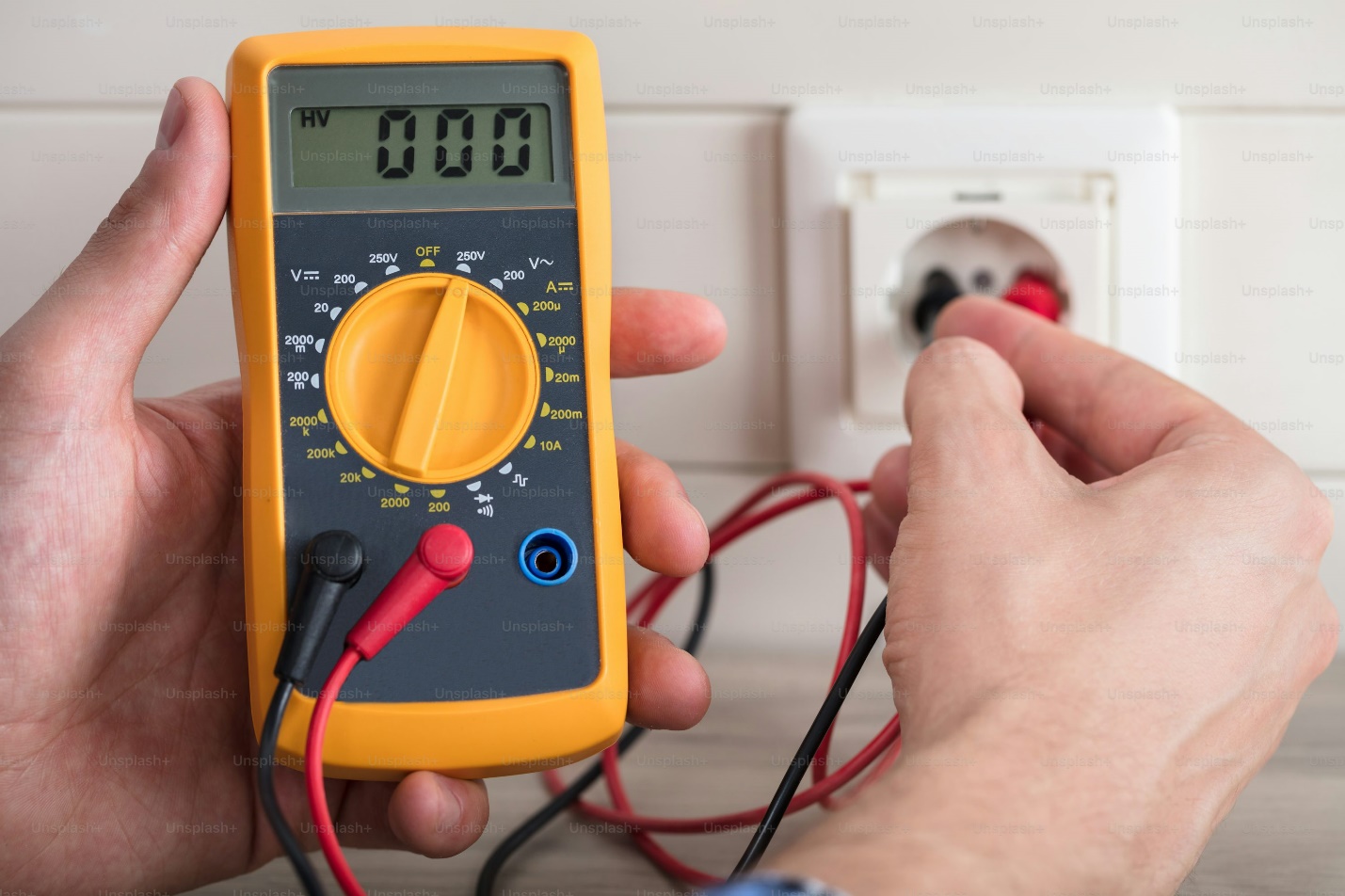
Homeowners can safely handle certain basic electrical tasks. Resetting a tripped breaker, replacing light bulbs, or testing outlets with a simple device are manageable steps that support routine maintenance. These small actions help keep your system functioning properly without requiring advanced skills.
However, more complex issues should always be handled by a licensed electrician. Problems such as exposed wiring, frequent electrical faults, or unusual smells from outlets require professional attention. Attempting to fix these issues without proper training can increase the risk of injury or further damage.
Modern Electrical Upgrades for Efficiency and Smart Living
Modern homes benefit greatly from electrical upgrades that improve efficiency. Switching to LED lighting, installing energy-efficient appliances, and using programmable thermostats can significantly reduce energy consumption. These updates not only lower utility bills but also reduce strain on the electrical system.
Smart home technology offers additional convenience and control. Systems that allow remote management of lighting, security, and climate settings are becoming increasingly common. Upgrading your electrical panel may also be necessary to support these advancements. Investing in modern solutions ensures your home remains functional, efficient, and prepared for future needs.
Protecting Your Home Through Smart Electrical Practices
Understanding your home’s electrical system helps you make safer, more informed decisions. Recognizing early warning signs, maintaining key components, and using the right safety devices all contribute to a more secure living environment. These steps help prevent costly repairs and reduce the risk of serious hazards.
A well-maintained electrical system also supports long-term home value. Regular updates and proper care ensure that your home can handle modern energy demands without compromise. By staying proactive and seeking professional help when needed, homeowners can protect both their investment and their family’s safety.