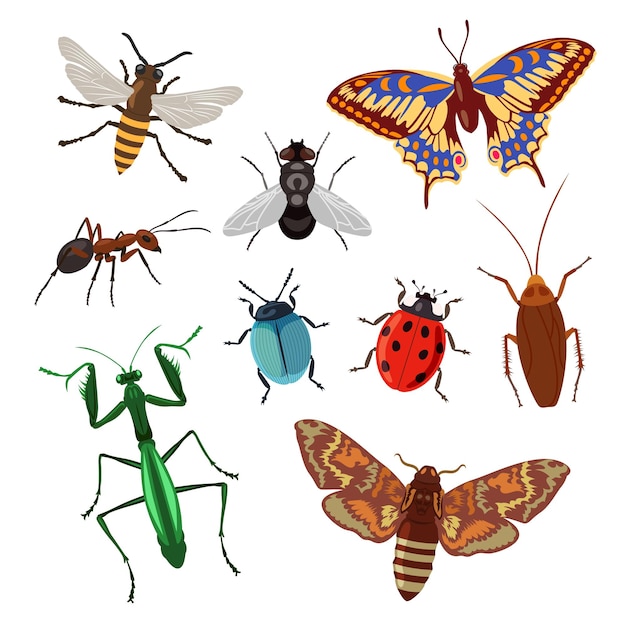
Stinging insects hardly just show up. If you see bees, wasps, or hornets around your home, it means something is attracting them and helping them survive. Most people rush to find solutions but do not focus on preventing infestations in the first place.
A nice lawn, waste management, or gaps in your home’s structure can create perfect spots for insects to nest. Over time, seeing a few insects can become a problem, especially when it is warm outside, and insects are more active. That is why you need to be proactive and systematic in preventing infestations, not just react when you see them.
With the right knowledge, you’ll know what to check and where to look to ensure there are no gaps. Removing things that attract insects prevents nesting and keeps your environment clean, so insects cannot thrive.
Here’s how to do that.
1. Schedule Professional Inspections and Preventive Treatments
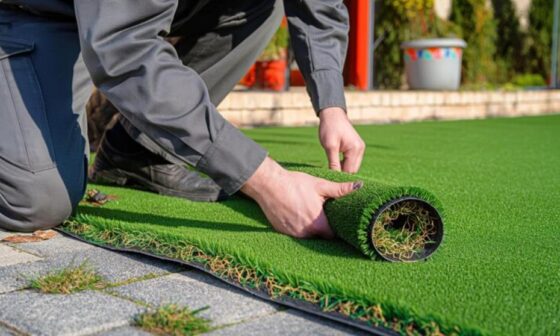
Managing a healthy lawn takes more than occasional effort, which is why professional support can make a real difference. Reputable lawn care providers take the guesswork out of maintenance and help ensure your outdoor space stays healthy over time.
For example, companies like Naturescape Services inspect your lawn thoroughly, apply appropriate treatments, and offer guidance to help maintain long-term health.
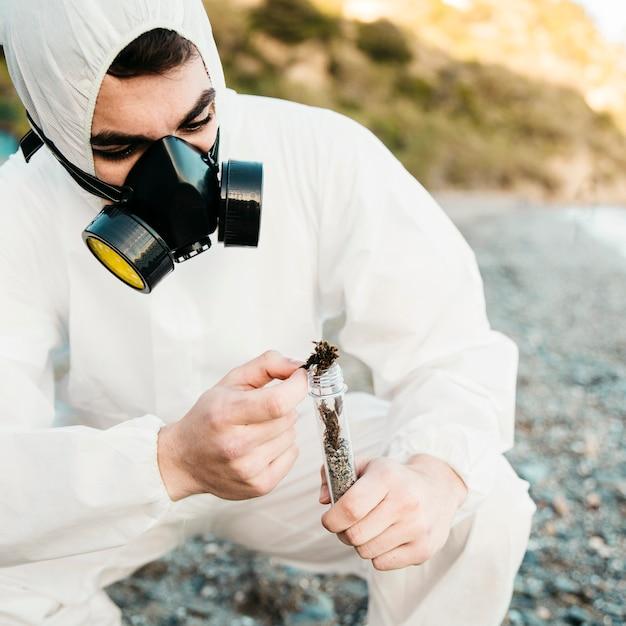
While DIY is a great, quick solution, they don’t always guarantee long-term results. Identifying issues like underground infestations requires an expert with the right tools.
Professionals know how to identify warning signs of pest activity. And with local experts, they know your area and patterns to look for, which helps accurately detect and address problems.
After initial treatment, many services also include follow-ups to ensure pests are fully eliminated. They often use targeted, eco-friendly methods that focus on affected areas while minimizing harsh chemicals.
2. Keep Your Lawn Clean and Healthy
Unkept lawns are a perfect breeding ground for insects. The long grass, weeds and uneven grounds allow them to hide and breed without being detected. You can prevent that by mowing your lawn, trimming trees and bushes and clearing off debris in time. It eliminates their shelter, which minimizes the chances of infestations. Proper soil drainage is also important as it prevents damp conditions that attract insects.
3. Get Rid of Food That Attracts Insects
Stinging insects are attracted to food, sugary and protein-rich foods. Wasps and yellow jackets look for food, sweet drinks, and organic waste. If they find such food in your home, they will keep coming and eventually nest nearby.
When you eat outside, you need to be careful. Keep food covered, clean up spills away, and throw away trash in bins with tight lids. Even small food bits, like soda spills or fruit scraps, can attract insects.
How you manage trash is also important. Clean your bins regularly to remove smells that attract insects. If you have a compost area, keep it clean and away from walkways.
4. Seal Gaps in Your Home’s Structure
Many infestations start inside your home, not in the open lawn. Wasps and hornets often build nests in walls, roof edges, and attics, where they are safe from the weather and predators.
You need to inspect the outside of your home. Look for cracks in the walls, gaps around windows, and unsealed vents that can let insects in. Even small openings can lead to infestations over time.
Sealing these gaps with materials like weather-resistant caulking or mesh screens will keep insects out. This is especially important before the peak insect season, as it prevents insects from nesting there.
5. Reduce Water Sources and Moisture
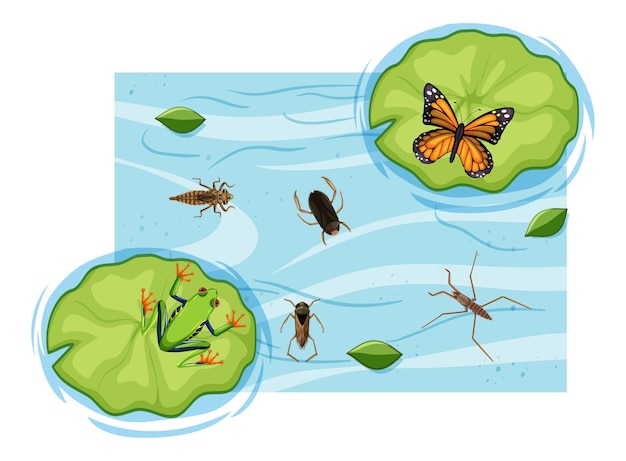
When it’s hot outside, it’s not unusual to find more insects trying to get into your home. They’re often searching for water, so if there’s standing water around, it can easily encourage those unwanted guests.
Some common spots where water tends to sit—and attract insects—include gutters, lawns that don’t drain well, and dripping outdoor taps. If you have a decorative water feature, don’t worry! A professional can help you manage it, so it doesn’t become a breeding ground.
Fixing drainage problems, such as improving your lawn’s slope or aerating the soil, helps eliminate damp areas. By removing these water sources, you’re making it harder for insects to settle in, and your home will feel much less inviting to them.
6. Be Careful with Outdoor Scents and Visual Attractants
Stinging insects like colours and strong smells. This means your garden or backyard can attract them easily if not managed well. While they make your space look nice, they can attract insects when not well managed.
Instead of planting purely bright, strongly scented plants, try balancing them with plants that don’t smell much or with repellents to even out the smell.
Also, plant them away from common places where your family or pets have access.
Conclusion
Stopping stinging insect infestations requires the right approach. Most people only react to threats a bit late, when it is no longer comfortable. But sustainable practices aim at preventing those threats from existing. The best prevention should cover all areas of your home that can harbor or attract insects. That means maintaining a healthy lawn, proper waste management and structural integrity.
Maintaining your outdoor space reduces the resources that support these insects. So although insects continue to visit, there are fewer nests, and the risk of stings is reduced. However, it may be difficult to reach such a level of control without experience and expertise. That’s why working with a professional is advisable.
With professional assistance, you go beyond short-term solutions. It becomes easy to stop insect infestation and keep them away for good. And the result? A healthier environment where your family can enjoy outdoor space without worrying about stinging insects.