Your roof rarely gets much attention until a storm turns it into the main character. Wind, hail, heavy rain, and flying debris can create problems that look minor at first but grow expensive fast. If you live in an area with frequent rough weather, knowing what roof damage looks like can save you money, stress, and a lot of bucket placement indoors. A smart response starts with spotting the right warning signs and acting before small issues spread.
What Storms Usually Do to a Roof
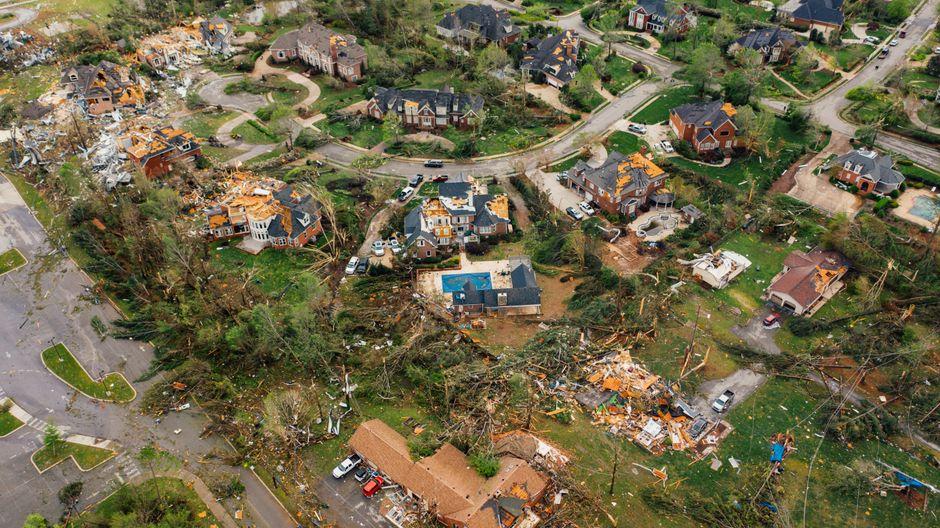
Storm damage is not always dramatic. You might imagine missing shingles scattered across the yard, but many problems are subtle. Strong wind can loosen shingles without ripping them off completely. Hail can bruise asphalt shingles, knocking away protective granules and shortening the roof’s lifespan. Heavy rain can exploit tiny openings around flashing, vents, and chimneys.
Tree limbs and airborne debris add another level of chaos. Even a small branch can crack shingles or damage gutters enough to affect drainage. On older roofs, one rough storm can expose weaknesses that were already building over time.
If your area gets repeated seasonal storms, damage can stack up quietly. The roof may still look fine from the street while moisture begins working its way into the underlayment and decking. That slow progression is where repair bills start to grow teeth.
Signs You Should Look for After Bad Weather
After a storm passes, your first job is not climbing onto the roof like an action hero. Start from the ground. Look for shingles that appear curled, lifted, cracked, or missing. Check gutters and downspouts for granule buildup, since those gritty particles often signal shingle wear from hail or impact.
Inside your home, scan ceilings and attic spaces for water stains, damp insulation, musty smells, or peeling paint. These clues often show up before obvious leaks start dripping into a room. Also inspect flashing around chimneys and skylights, since those edges are common failure points.
If you notice dented vents, damaged gutters, or debris piled on one side of the roof, there may be hidden structural issues nearby. Damage does not always sit where it first appears. Storms have a sneaky habit of creating one visible issue and three invisible ones.
Why Quick Action Matters More Than You Think
A damaged roof rarely fixes itself out of respect for your schedule. Once wind or hail compromises the outer layer, water can move inward and affect insulation, framing, drywall, and even electrical systems. What starts as a repair can turn into a much larger restoration project if moisture lingers.
Timing also matters for documentation. If you need professional help with storm damage roof repair, early inspections make it easier to identify the storm-related cause and limit secondary damage. Waiting too long can muddy the timeline and make it harder to separate old wear from fresh impact.
There is also the mold issue, which no homeowner wants as a surprise roommate. Damp attic spaces and soaked materials can create conditions for mold growth in a relatively short period. Fast action protects the roof, the house, and your budget.
What You Can Safely Do Before a Professional Arrives
You can take a few practical steps without putting yourself at risk. First, document visible damage from the ground with clear photos and videos. Include fallen branches, damaged gutters, and any interior leaks or stains. Good records help you track changes and organize next steps.
If water is entering the house, move furniture, electronics, and rugs away from the affected area. Use buckets or containers to catch drips, and place towels down to reduce slipping hazards. If ceiling drywall begins to bulge with trapped water, treat it carefully and avoid standing under it.
What you should not do matters just as much. Do not climb onto a wet or unstable roof. Do not start pulling materials loose to “check underneath.” You are not auditioning for a roofing fail compilation. Temporary caution beats emergency room paperwork every time.
How Roof Inspections Actually Work
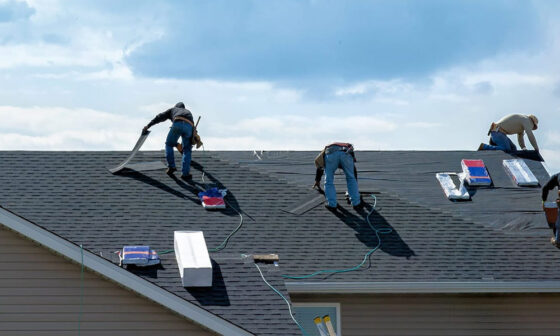
A proper post-storm roof inspection is more methodical than a quick glance and a shrug. Roofing professionals usually examine shingles, flashing, vents, valleys, gutters, soffits, fascia, and attic conditions. They look for punctures, lifted edges, moisture entry points, and signs of impact that might not be obvious to a homeowner.
In many cases, the inspection includes checking for soft spots in the decking and evaluating whether repairs will solve the issue or if larger sections need replacement. Professionals may also document hail hits, wind creasing, and flashing separation with photos and written notes.
That level of detail matters because storm damage often involves both visible and concealed issues. A roof can appear mostly intact while still having compromised seal strips or hidden leaks. The whole point of the inspection is to catch problems before they graduate into expensive home improvement regret.
Repair or Replacement: How the Decision Gets Made
Not every storm-damaged roof needs full replacement. The decision usually depends on the age of the roof, the extent of the damage, the roofing material, and whether repairs can restore reliable performance. A few missing shingles on a newer roof may be a straightforward fix. Widespread hail bruising across an older roof is a different story.
Matching materials can also affect the choice. If your shingles are discontinued or heavily faded, spot repairs may leave weak points or obvious patchwork. Structural concerns beneath the roofing surface add another layer, since damaged decking or underlayment changes the scope of work.
The practical question is not just “Can it be repaired?” It is “Will that repair hold up through the next storm season?” Short-term savings can disappear quickly if repeated patch jobs keep inviting water back in.
How to Prepare Your Roof Before the Next Storm Hits
Storm prep is less exciting than storm watching, but it is far more useful. Keep gutters clean so water can drain properly. Trim overhanging branches that could snap or scrape against the roof in high winds. Replace loose or damaged shingles before storm season arrives, not after rain starts finding your living room.
It also helps to schedule periodic roof inspections, especially if your roof is older or your area gets hail, hurricanes, or strong seasonal wind. Small maintenance tasks can reveal weak flashing, exposed nail heads, or worn sealants before weather turns them into active leaks.
Inside the home, check your attic ventilation and insulation. Poor airflow can trap moisture and make roof systems more vulnerable over time. Think of preparation as reducing the number of opportunities a storm has to exploit. Weather will still do its thing, but your roof does not need to make it easy.
Final Thoughts on Handling Roof Damage Wisely
Storm damage can feel overwhelming because the effects are not always obvious right away. A careful response makes a major difference. Start with safe observation, document what you find, protect the interior of your home, and get a proper inspection when needed.
The biggest mistake is assuming a roof is fine because it survived the night. Damage often reveals itself slowly, through stains, drafts, mold, and structural wear that build over weeks or months. Paying attention early gives you more options and fewer expensive surprises.
When you treat storm damage like a time-sensitive home issue instead of a future problem, you put yourself in a much stronger position. Your roof handles enough drama already. It does not need procrastination helping the storm finish the job.